
Last updated October 31, 2026
 Architectural shingles
 Metal roofing
 Tile roofing
 GAF
 Owens Corning
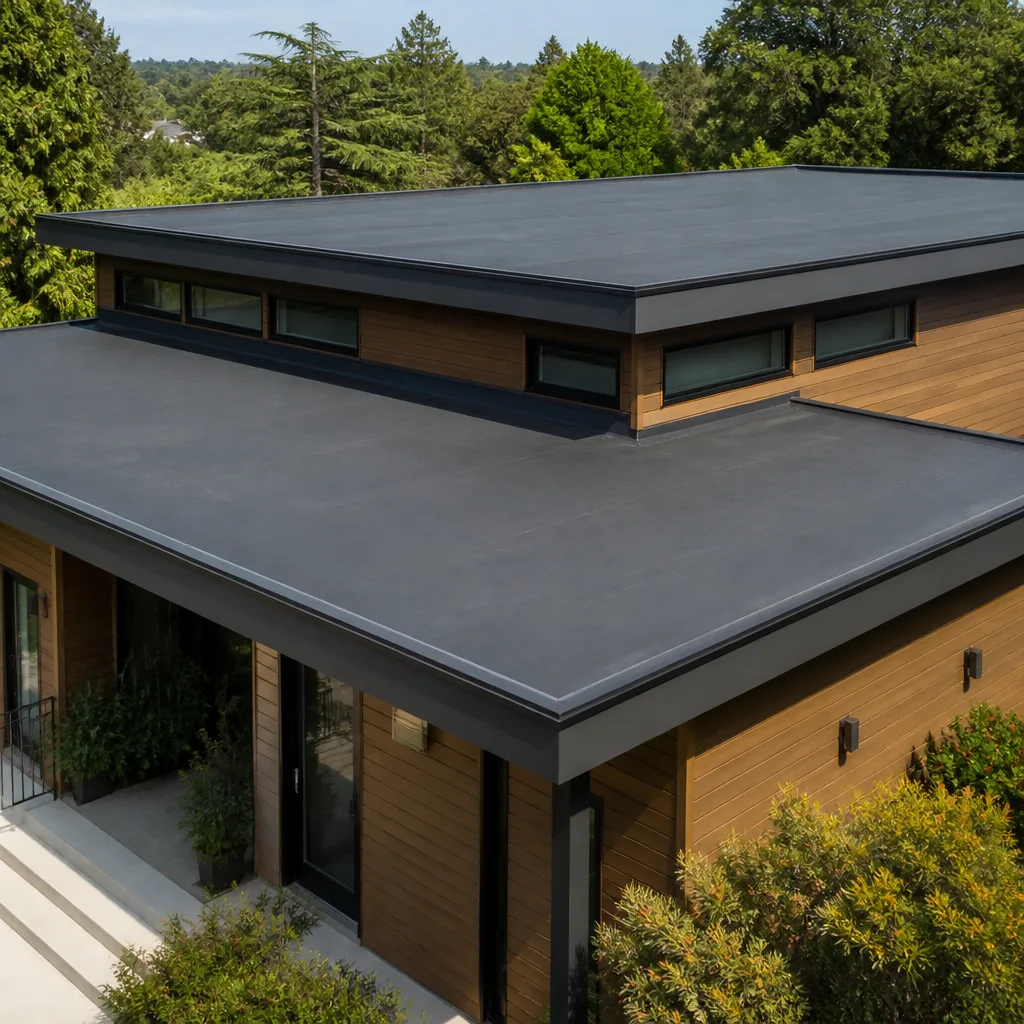 Flat & low-slope
Free roof inspection with deck photos before we talk money - GAF and Owens Corning certified installation
Roof Repair Maintenance Checklist for Aliso Viejo Homeowners
The most expensive roof repairs in Aliso Viejo almost always trace back to a flashing problem that was visible for two years before anyone looked at it. Not a catastrophic storm, not a fallen tree branch, not a bad batch of shingles. Just a small gap in metal flashing that let water in slowly, quietly, and expensively. This guide walks you through what to check, when to check it, and what each finding actually means for your roof and your budget, or see our Roof Repair Troubleshooting: Common Problems and How to Fix Them for deeper diagnostics.
Quick Answer
A roof maintenance checklist for Aliso Viejo homeowners should include twice-yearly visual inspections of flashing at chimneys, skylights, and HVAC curbs, gutter and downspout checks before and after rain season, attic-side moisture inspection, and post-Santa Ana wind season granule loss monitoring. Most checklists miss attic indicators and flashing failure, which are the two highest-cost repair sources in this area.
Styles & brands we work with
Table of Contents
- Why Aliso Viejo Roofs Fail Differently
- The Flashing Zones That Cause the Most Damage
- The Santa Ana Wind Season Checklist
- Gutter and Downspout Checks That Reveal Deck Problems
- The Attic Inspection Most Surface Checklists Miss
- A Realistic Maintenance Calendar With Cost Estimates
- Common Mistakes to Avoid
- When to Call a Professional
Why Aliso Viejo Roofs Fail Differently
Aliso Viejo sits in a climate that punishes roofs in specific, predictable ways. We get long dry stretches interrupted by short, intense rain events. We get Santa Ana winds that scour granule surfaces and drive debris into valleys and against flashing. And we get UV exposure that bakes sealants and breaks down caulking faster than homeowners expect.
Most roof maintenance checklists are written generically. They tell you to look for missing shingles and clogged gutters. That’s fine as far as it goes. But it misses what actually fails on Aliso Viejo tract homes built in the 1990s and early 2000s. Those homes share common construction patterns: composition shingle roofs, concrete tile in some newer tracts, chimney chases with metal flashing, HVAC curbs punched through the roof plane, and skylight installations that rely on sealant more than proper lapping.
Our Roof Inspection in Aliso Viejo service exists for exactly this reason. We don’t sell inspections as a foot in the door; we treat them as a standalone diagnostic. That means when we tell a homeowner what needs repair, the recommendation comes from what we found, not from what we hope to sell.
The sequence that matters in Aliso Viejo goes like this: dry season opens small gaps in flashing and sealant, Santa Ana winds push debris and loosen granules, rain events exploit every opening, and attic moisture goes unnoticed until staining or mold shows up on the ceiling. By then, the repair is no longer a flashing fix. It’s deck replacement.
The Flashing Zones That Cause the Most Damage
If you only remember one thing from this guide, make it this: flashing failures account for the majority of roof leaks in Aliso Viejo. Shingles can be missing and still shed water. Flashing that has lifted, cracked, or separated from its sealant will channel water directly into the roof deck every single time it rains.
What Early Flashing Deterioration Looks Like
You don’t need to climb on the roof to spot early warning signs. From ground level, using binoculars or a camera with zoom, look for:
- Caulk or sealant pulling away from the flashing edge, leaving a visible gap
- Rust staining on galvanized flashing, especially at the base
- Flashing that appears lifted or buckled, no longer sitting flat against the roof plane
- White chalky residue where sealant has oxidized and dried out
- Discolored patches on the roof surface adjacent to the flashing
The highest-failure zones in local tract homes are, in order: chimney bases, HVAC curbs, and skylight frames. Chimney flashing fails at the counterflashing seam where two pieces of metal meet. HVAC curbs fail because installers step on them during service calls, bending the metal and breaking the seal. Skylights fail at the corners, where sealant dries and cracks first.
In our experience, a homeowner who checks these three zones twice a year catches problems when the repair is a $300 sealant job. The same issue left for eighteen months becomes a $2,800 flashing replacement with deck repair.
The Santa Ana Wind Season Checklist
Santa Ana winds hit Aliso Viejo in the fall and can blow for days at a time. The damage they cause is not dramatic. You won’t see shingles torn off in most cases. What you get is a slow grind: granules stripped from shingle surfaces, fine debris packed into valleys, and lifted edges that catch wind and bend upward over time.
What to Do After the First Strong Wind Event
- Walk the perimeter of your home and photograph the roof from all four sides. Use the same spots every time so you can compare over time.
- Check gutters and downspouts for granule accumulation. A fine gritty layer in the gutter is normal after wind season. Thick piles of granules in one area indicate concentrated wear.
- Look for shingle edges that have lifted or curled. Wind gets under a loose edge and works it like a lever.
- Inspect valleys where two roof planes meet. Debris packed into valleys holds moisture against the shingles and accelerates deterioration.
- Check the base of any roof penetrations: pipes, vents, chimney chases. Wind-driven debris can dent or displace flashing.
In the hillside neighborhoods of Aliso Viejo, wind exposure is higher than in the flats. Homes on ridge lines and canyon edges see stronger gusts and more granular loss. If you live in one of those areas, check more frequently during wind season, not less.
When granule loss reaches a point where you can see the fiberglass mat through the asphalt, the shingle is no longer protecting anything. That’s the threshold where we start discussing Roof Repair in Aliso Viejo versus letting the issue compound into something bigger.
Gutter and Downspout Checks That Reveal Deck Problems
Gutters do two jobs in Aliso Viejo. They move water away from the foundation, and they tell you what’s happening on the roof surface above them. Most homeowners think of gutters as a chore. They’re actually a diagnostic tool.
What Overflow Patterns Tell You
When rain comes to Aliso Viejo, it often arrives in short, heavy bursts. Watch what happens at each downspout during the first real rain of the season:
- Water spilling over the gutter edge at one specific point usually means a clog or a sagging gutter section. Fix this quickly; water running down the fascia rots the soffit and can work into the deck edge.
- Water overflowing at the gutter seam or at the downspout connection points to loose hangers or separated seams. This is a minor fix that becomes a major one if ignored.
- Water backing up at the downspout but not clearing after the rain stops means the downspout or underground drain is blocked. Persistent backup forces water under the eave and into the roof deck.
A pattern we see often in Aliso Viejo tracts is downspouts that empty directly into planter beds. Mulch and soil get kicked into the downspout mouth, block the flow, and force water back up. If your downspout empties into landscaping, check the mouth after every rain event during the wet season.
The connection to the roof deck is direct. When water can’t exit through the downspout, it sits in the gutter. When it sits in the gutter, it wicks into the fascia board. When the fascia rots, the roof deck edge loses its anchor and becomes a leak path. Gutter maintenance is roof maintenance.
The Attic Inspection Most Surface Checklists Miss
Every surface-only roof checklist has the same blind spot: it never sees what’s happening on the underside of the deck. The attic tells you what the roof is doing when no one is watching. Most Aliso Viejo homes have accessible attic space, even if it’s just a crawl hatch in a closet ceiling.
What to Look For in the Attic
- Moisture staining on the underside of the roof deck. Stains show up as dark patches, often with a ring pattern where water pooled and dried repeatedly.
- Insulation compression. Wet insulation loses loft and mats down. If areas of insulation look flatter than the surrounding material, water has been getting in.
- Daylight visible through the deck. Small holes around nail penetrations are normal to see as pinpricks of light. Actual gaps you can see through from inside indicate missing or displaced material.
- Rust on nail heads protruding through the deck. Rusted nails mean moisture has been present for an extended period.
- Mold or mildew odor. Even without visible staining, a musty smell in the attic after rain is a diagnostic finding.
We recommend checking the attic twice a year: once at the start of the wet season and once after the last major rain. Use a flashlight, not a phone light. A bright beam at the right angle makes moisture staining visible that a dim light misses.
If you find staining but can’t locate the source from the attic, that’s a case for a professional roof inspection. The leak is often running along a rafter or through a flashing gap that’s not directly above the stain. Water travels laterally before it shows up where you see it. We’ve traced attic stains in Aliso Viejo homes to flashing gaps fifteen feet uphill on the roof plane.
When attic findings indicate structural deck damage, the conversation shifts from repair to Roof Replacement in Aliso Viejo. That’s a bigger decision, and it’s better to have the full picture before making it.
A Realistic Maintenance Calendar With Cost Estimates
Maintenance costs money. Anyone who says otherwise is selling something. But scheduled maintenance costs a fraction of deferred Roof Repair, and having real numbers helps you budget instead of being blindsided.
Twice-Annual Tasks (March and October)
- Visual ground-level inspection of all flashing zones, shingle surfaces, and roof penetrations: $0 if you do it with binoculars, or $250-$400 for a professional roof inspection
- Gutter cleaning and downspout flush: $0 DIY with a ladder and caution, or $150-$300 for a professional gutter cleaning in Aliso Viejo
- Attic inspection for moisture, staining, and insulation compression: $0 DIY, or included in a professional inspection
Post-Santa Ana Wind Season (November-December)
- Granule loss assessment in valleys and gutters: $0 DIY
- Lifted shingle edge check: $0 DIY
- Debris removal from valleys and flashing zones: $0 with a roof rake from the ground, or $200-$400 if a professional does a safe roof-surface cleaning
Pre-Rain Season (September-October)
- Sealant refresh on exposed flashing joints and skylight corners: $150-$400 for professional application
- Gutter hanger tightening and seam sealing: $100-$250
These are realistic ranges for the Aliso Viejo market. Prices vary by roof height, pitch, accessibility, and the condition of existing materials. A two-story home with a steep pitch costs more for any professional work than a single-story rancher.
The total annual maintenance budget for a typical Aliso Viejo home falls between $400 and $1,000 if you split the work between DIY and professional help. See our Roofing Cost Breakdown: The Aliso Viejo Homeowner’s Reference for 2026 for detailed pricing by task. That number should be part of your household budget, the same way you budget for HVAC service or termite prevention.
Common Mistakes to Avoid
- Ignoring flashing until water shows up indoors. By the time water reaches the ceiling, the deck has already absorbed damage. Flashing issues are visible from the ground long before they leak indoors.
- Doing a visual check from one side of the house only. The west-facing roof plane gets more afternoon sun and wears differently than the east-facing plane. Walk all four sides every time.
- Assuming granule loss is normal and harmless. Some granule loss is normal. Bare spots where you can see the mat underneath are not. That’s a shingle that has stopped protecting the home.
- Ignoring attic access because it’s inconvenient. The attic is where damage shows up first. Skipping attic checks means catching problems a year later at five times the cost.
- Waiting for the big rain to test the roof. If you suspect a leak, the time to investigate is during dry weather. Waiting for rain means letting water in before you know where it enters.
- Pressure-washing or scraping shingles to “clean” them. Both strip granules and shorten roof life. Gentle debris removal is fine. Aggressive cleaning is not.
- Assuming a newer roof needs no attention. Roofs fail from installation defects and material flaws even in the first five years. A roof under twelve years old should still be inspected annually or biannually.
When to Call a Professional
Some issues are worth handling yourself. Others are not. Call a roofing professional when you see active water intrusion anywhere inside the home, when flashing has visibly separated from the roof plane, when you find multiple bare spots where granules are gone, or when the roof is over fifteen years old and has never had a professional inspection. Any time you’re uncertain about what you’re seeing, a professional evaluation costs less than a wrong guess. Captain Roof Repair offers free estimates in Aliso Viejo – call (844) 717-4930 and we’ll take a look.
See the difference
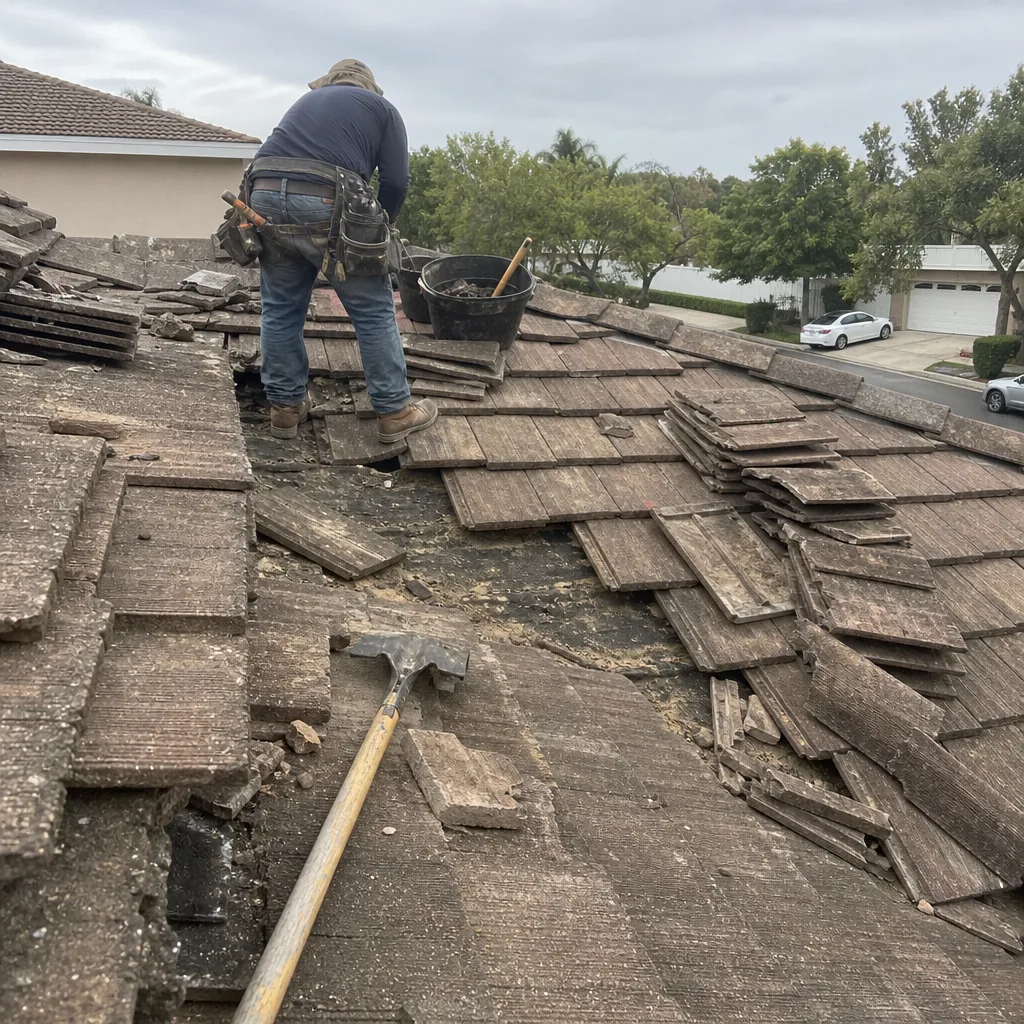 Before
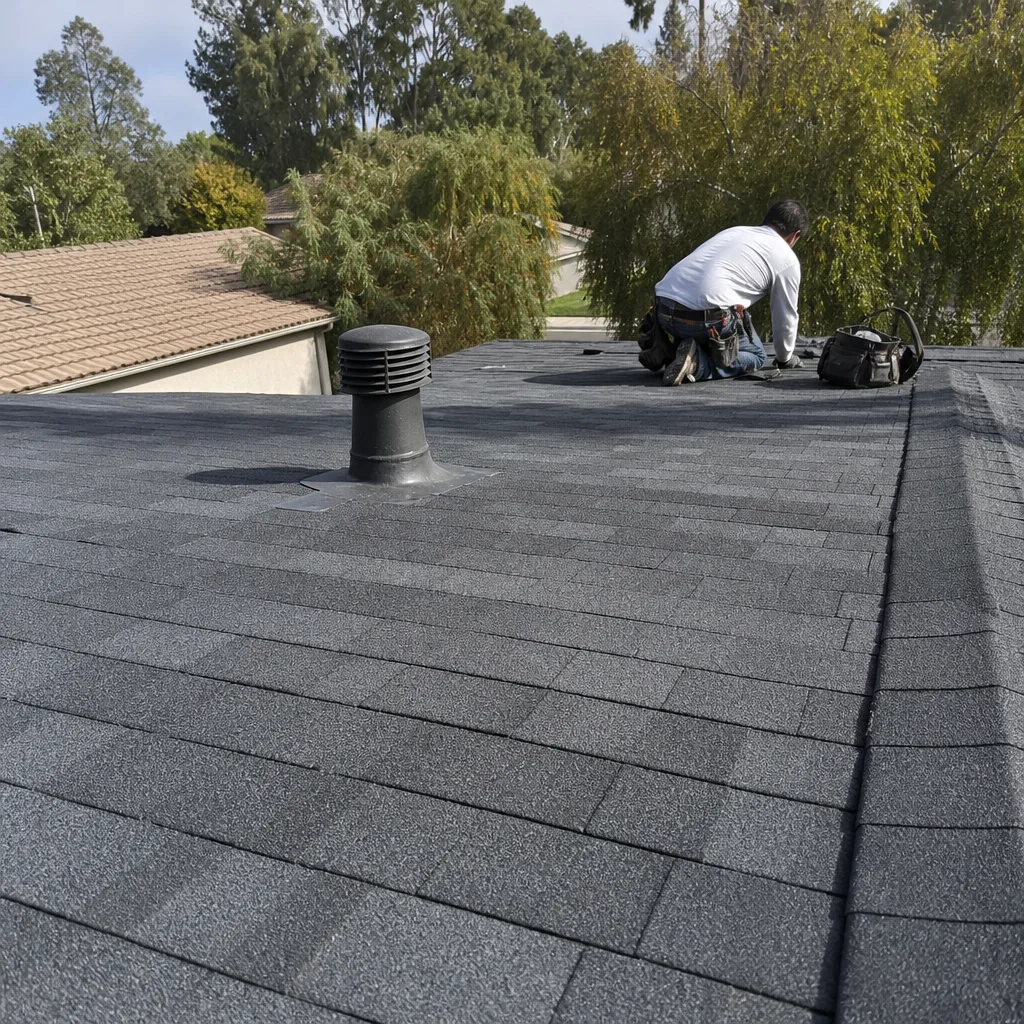 After
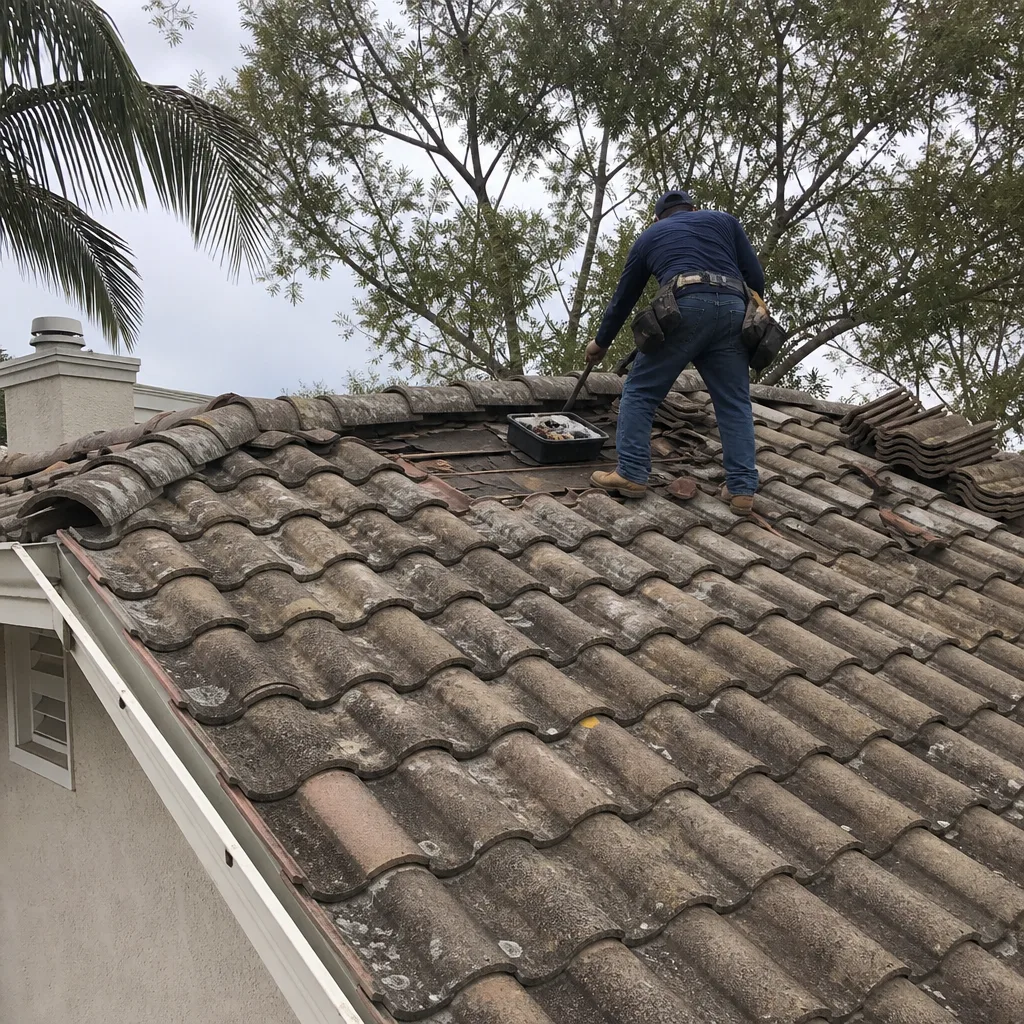 Before
 After
 Before
 After
Frequently Asked Questions
For a typical Aliso Viejo home, expect to budget $400 to $1,000 per year for split DIY and professional maintenance, including gutter cleaning, sealant refresh, and one professional inspection. The exact number depends on roof size, pitch, and the age of existing materials. Call (844) 717-4930 for a maintenance quote specific to your roof.
Inspect your roof twice a year from the ground, plus after the first strong Santa Ana wind event of the season and after any storm that drops more than two inches of rain. Attic inspections should happen at the same interval. This schedule matches the Aliso Viejo climate cycle and catches issues during the dry season when repairs are easier.
Ground-level visual inspections, gutter cleaning with proper ladder safety, and attic moisture checks are reasonable DIY tasks. Any work that requires walking on the roof surface, including sealant application on flashing or shingle repair, is better left to professionals who have the training, insurance, and experience to work safely at height.
Flashing failure at chimney bases, HVAC curbs, and skylight corners is the most common roof problem we find in Aliso Viejo homes. The dry climate dries out sealant, Santa Ana winds stress the metal, and rain events exploit the gaps that form. This single category accounts for more leak repairs than all other causes combined.
Repair is appropriate when the damage is localized – one flashing zone, a few missing shingles, a single valley problem – and the surrounding roof material is still in serviceable condition. Replacement becomes the better financial decision when damage is widespread, the roof is past fifteen years old with significant granule loss, or the decking underneath shows signs of water compromise. A professional inspection gives you the data to make that call honestly. Captain Roof Repair offers free estimates in Aliso Viejo – call (844) 717-4930.
Yes. We’re certified to install and service roofing from GAF, CertainTeed, Owens Corning, IKO, Atlas, Tamko, and Boral. That means material recommendations are driven by what your roof actually needs and what your budget can handle, not by a supplier contract. From the first inspection to the final shingle, we take command of the problem so you don’t have to. For ongoing care tips, explore more guides & resources.
The Bottom Line
A useful roof maintenance checklist for Aliso Viejo is specific, seasonal, and tied to failure modes that actually happen here. Check flashing at chimneys, skylights, and HVAC curbs twice a year. Monitor granule loss after Santa Ana winds. Read your gutters for what they tell you about the deck above. And inspect the attic, because that’s where moisture shows up first. Budget $400 to $1,000 a year and stick to the schedule. When something looks wrong, don’t wait for the rain to confirm it. Call (844) 717-4930 for a free estimate.
Written by the team at Captain Roof Repair home, serving Aliso Viejo since 2017.