Last updated October 31, 2026
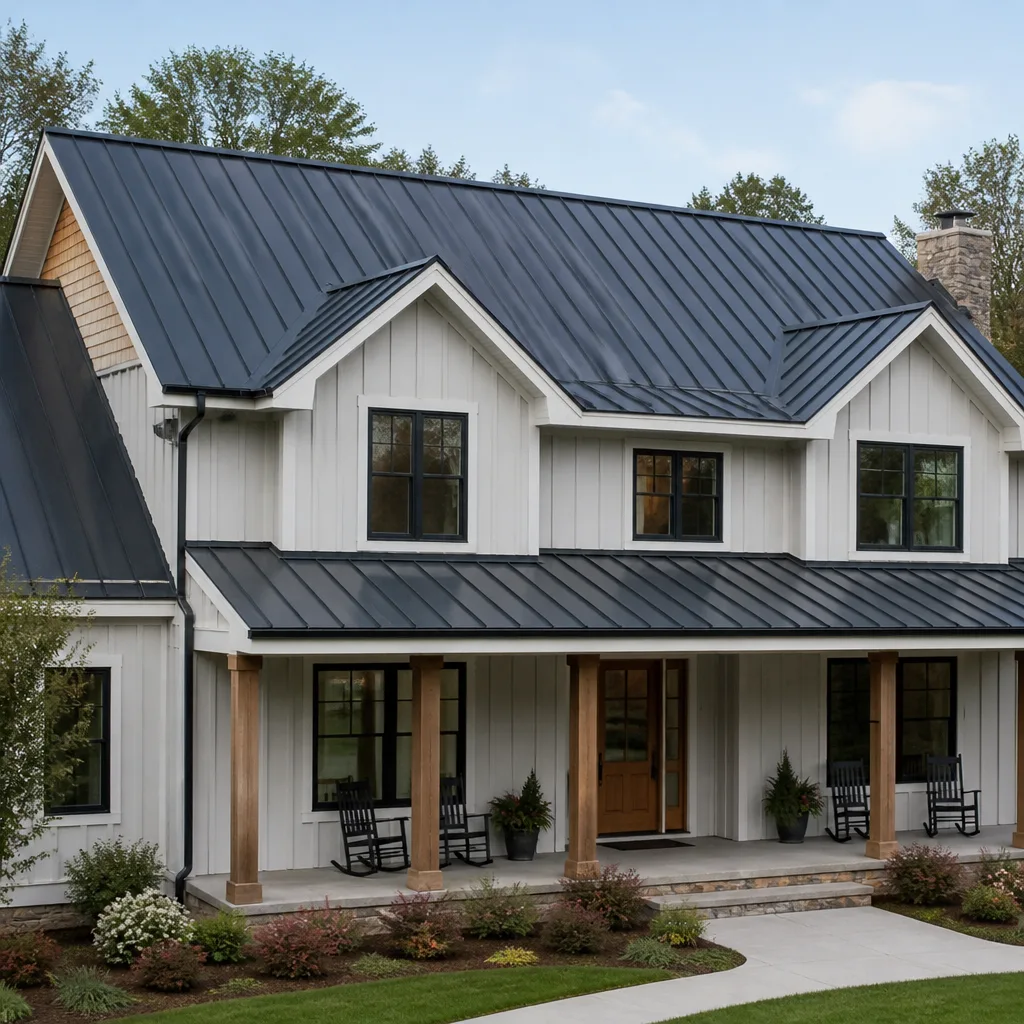 Metal roofing
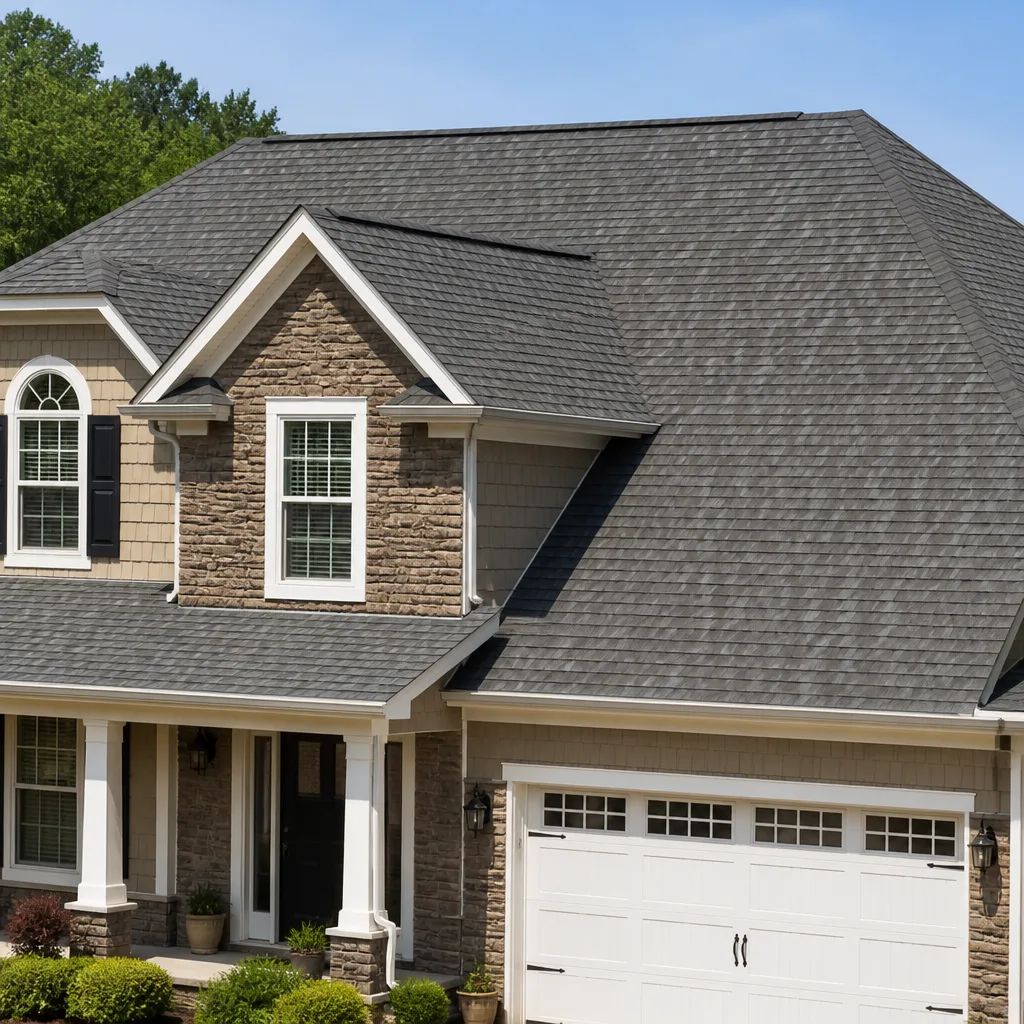 Architectural shingles
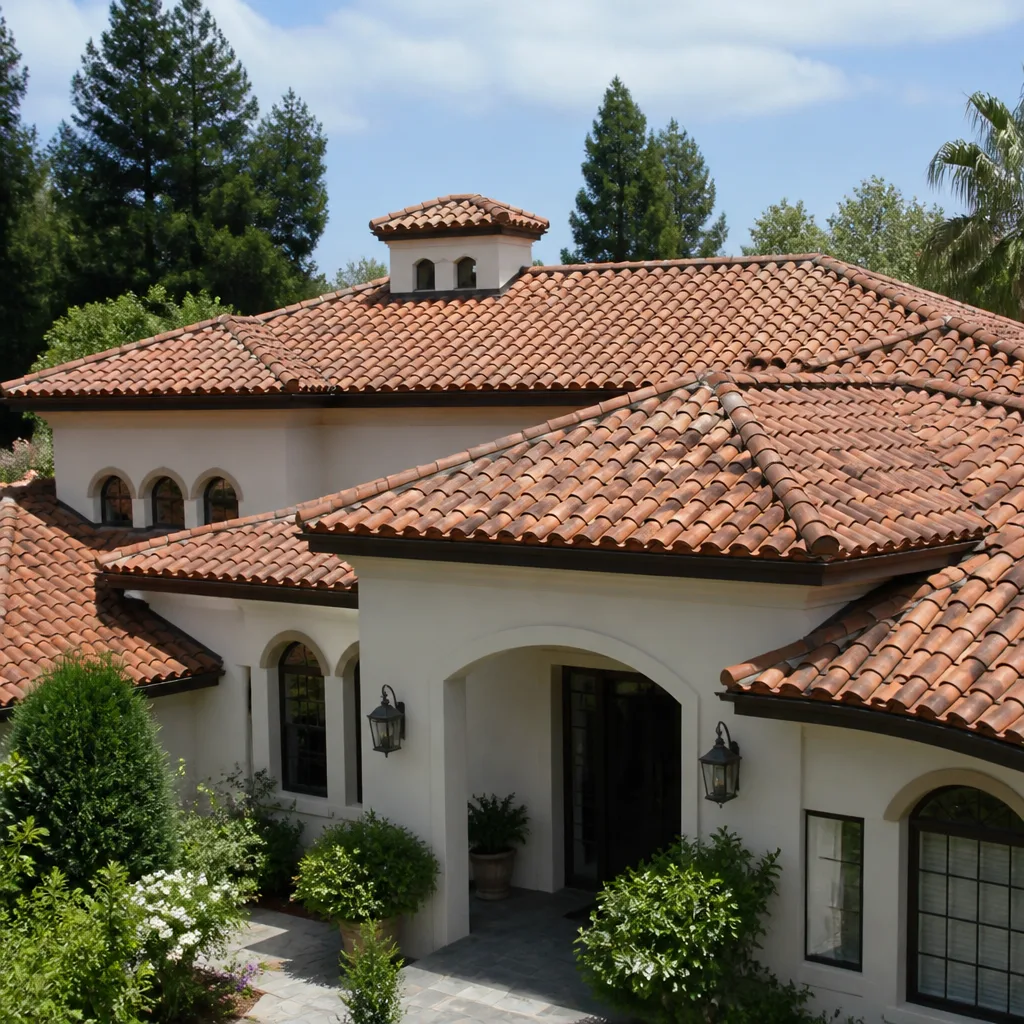 Tile roofing
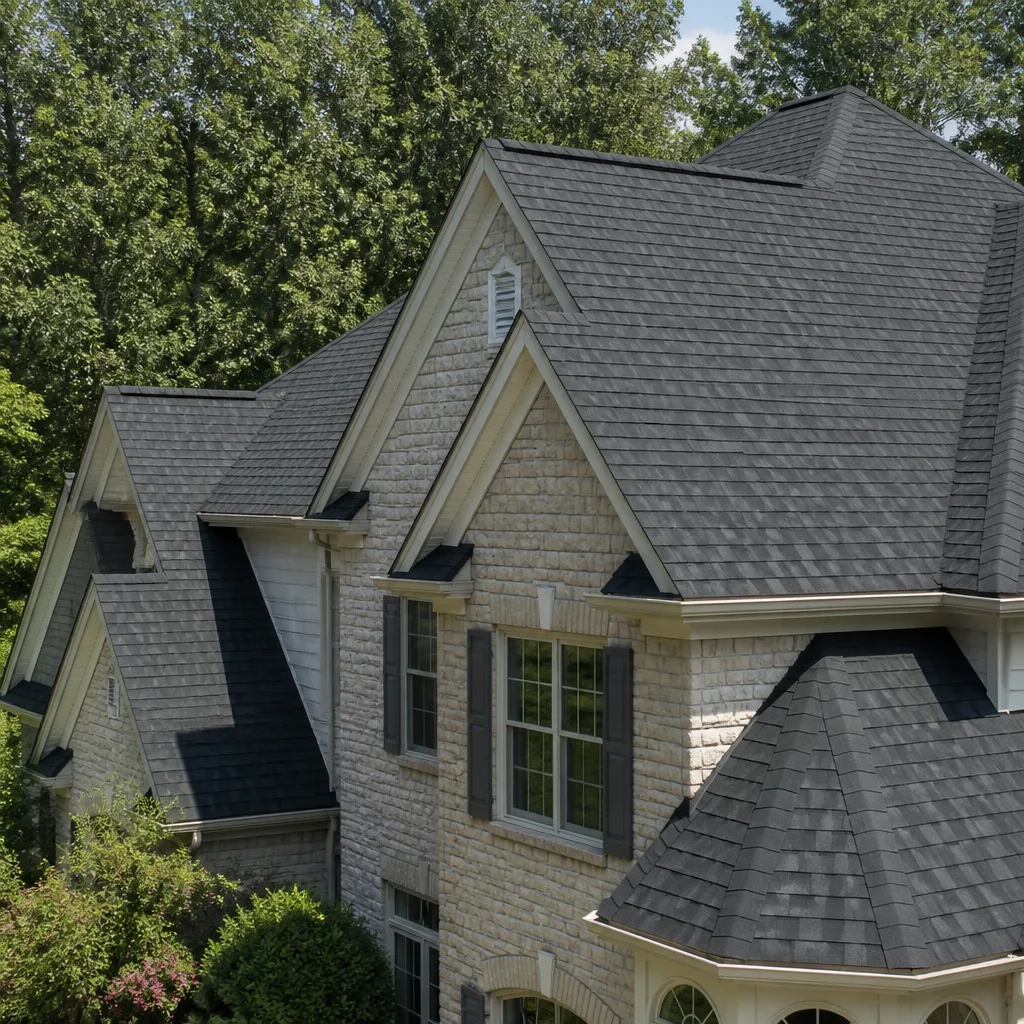 GAF
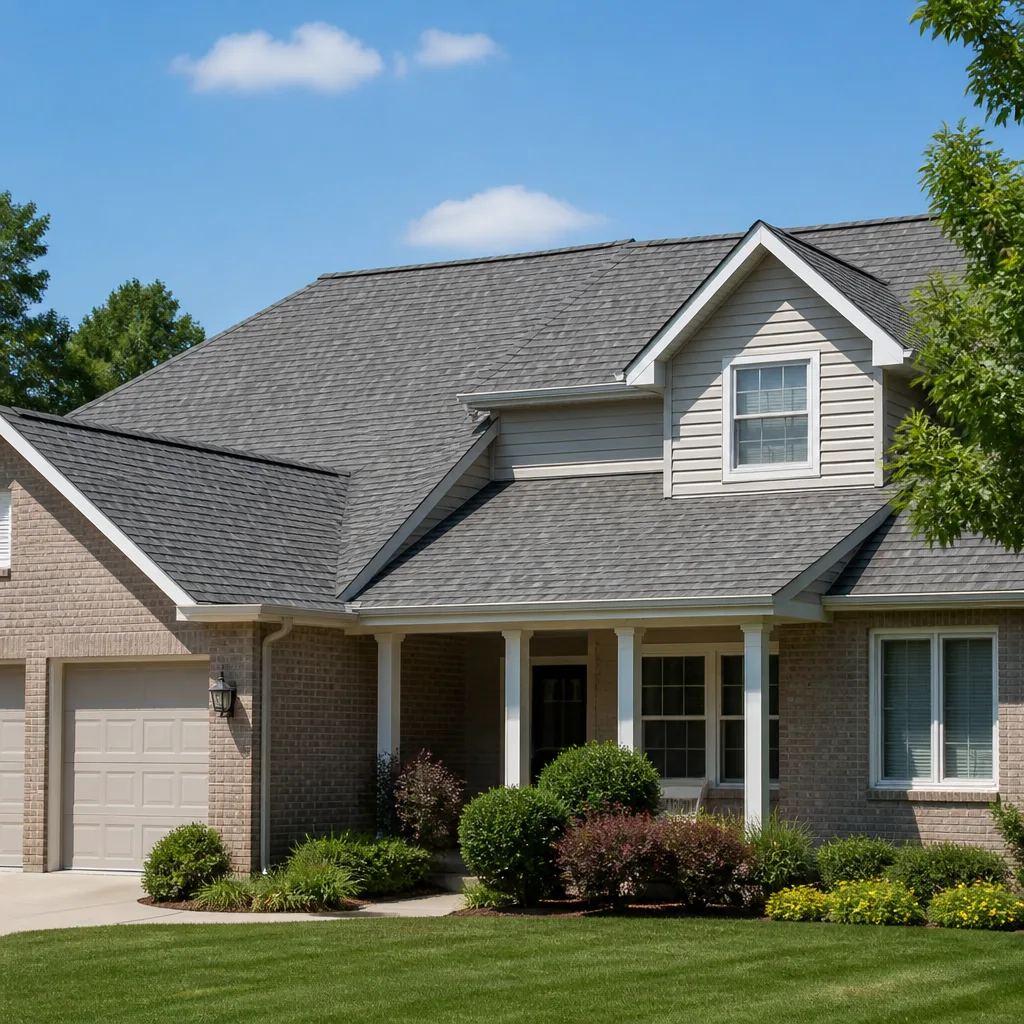 Owens Corning
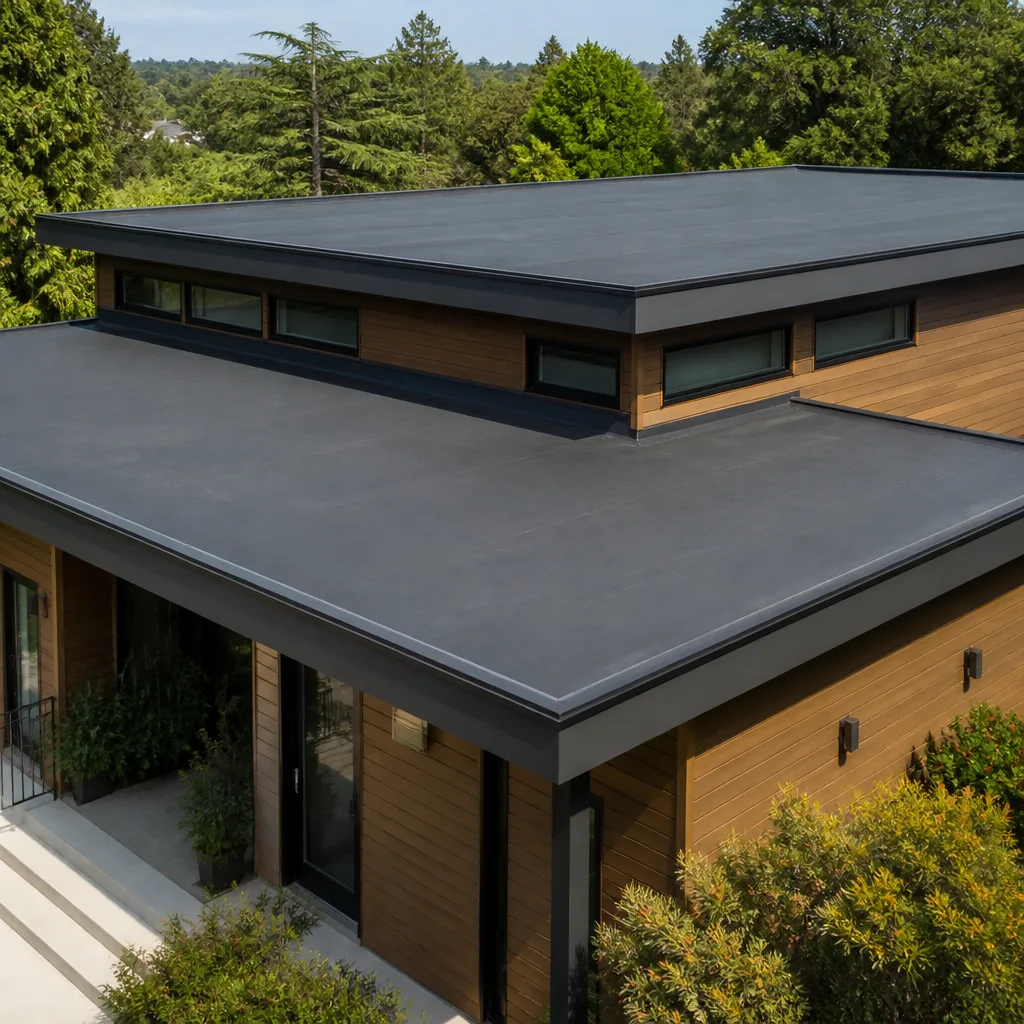 Flat & low-slope
Free roof inspection with deck photos before we talk money - GAF and Owens Corning certified installation
How to Hire a Roofing Contractor in Aliso Viejo: A Step-by-Step Guide
After any significant rain event in South Orange County, the number of out-of-area roofing vans in Aliso Viejo neighborhoods doubles within 48 hours. Most of them are legitimate businesses. Some of them are not. Very few of them are the right fit for your specific roof. This guide will walk you through exactly how to separate the contractors who belong on your roof from the ones who just happen to be passing through, with specific checks that take minutes but save thousands, or browse our more guides & resources for additional homeowner help.
Quick Answer
To hire a roofing contractor in Aliso Viejo, verify their California State License Board (CSLB) license and insurance directly through the state database, confirm they are not locked into a single shingle manufacturer, demand a written line-item bid that includes decking assessment and permit costs, and check HOA requirements before any work begins. Avoid contractors who push same-day signatures, skip the attic or decking inspection, or offer warranties that exclude labor. Call (844) 717-4930 for a free estimate from a crew that works across seven major roofing brands.
Styles & brands we work with
Table of Contents
- How to Verify a California Contractor License in Under Three Minutes
- Why a Single-Manufacturer Contractor Is a Structural Conflict of Interest
- The Bid Line Items That Separate a Real Proposal from a Scope-Creep Trap
- HOA Documentation in Aliso Viejo: Permits, Submittals, and Color Approvals
- Red Flags Unique to the Aliso Viejo Roofing Market
- Twelve Questions to Ask Before Signing Anything
- How to Read a Roofing Warranty Without Getting Burned
- What a Proper Aliso Viejo Roofing Project Timeline Looks Like
How to Verify a California Contractor License in Under Three Minutes
Every roofing contractor working in Aliso Viejo must hold an active C-39 Roofing Contractor license issued by the California State License Board. The verification process is faster than most homeowners assume, and skipping it is the single most expensive mistake you can make. Here is the three-minute check:
- Go to cslb.ca.gov and click “Check a License” on the home page.
- Enter the license number or business name. Contractors are legally required to print their license number on every bid, business card, and vehicle. If there is no number visible, that is your first red flag.
- Check three fields on the license record. First, the status must say “Active” not “Expired,” “Suspended,” or “Revoked.” Second, the classification must be C-39 Roofing. A general building contractor license (B) can legally roof, but a C-39 means the contractor passed a roofing-specific trade exam. Third, look at the “Workers’ Comp” field. If it says “Exempt,” the contractor has no employees and cannot legally send a crew to your home.
- Read the disclosure section. This is the part most homeowners never scroll down to see. It lists any judgments, arbitration awards, liens, or disciplinary actions against the contractor. A clean license number at the top does not mean a clean record below.
We have seen homeowners in Aliso Viejo hire contractors whose license looked fine on the surface but showed three active payment disputes in the disclosure section. The information is public and free. The three minutes you spend on this check tell you more than any sales pitch ever will.
Beyond the license itself, a legitimate contractor will also carry general liability insurance and, if they have employees, workers’ compensation insurance. Ask for a certificate of insurance and call the carrier to confirm the policy is active. Contractors who hesitate on this request are telling you something important.
Why a Single-Manufacturer Contractor Is a Structural Conflict of Interest
Many roofing companies in the Aliso Viejo area are certified installers for exactly one shingle brand. That certification is not a badge of expertise. It is a supply agreement. The contractor buys that brand at preferred pricing, so that brand gets recommended whether or not it is the best fit for your roof, your home’s architecture, or your budget. The conflict is built into the business model.
This matters more than most homeowners realize. Different shingle lines handle different conditions. Some perform better under constant sun exposure. Others hold up better in high wind. Some offer better impact resistance for homes near canyon areas where debris kicks up. The right answer depends on your specific roofline, pitch, and exposure, not on which manufacturer a contractor happens to buy from.
At Captain Roof Repair, we install and service seven brands: GAF, CertainTeed, Owens Corning, IKO, Atlas, Tamko, and Boral. That breadth means material recommendations come from your roof’s actual needs. We have no reason to push one brand over another because we are not financially tied to any of them. The right material for your roof is the one that fits, not the one that fits our supplier agreement.
Three questions that expose a manufacturer-captive contractor:
- “Which brands do you install?” A contractor who names only one brand is either captive or under-informed. Neither is good.
- “Why do you recommend this specific brand for my roof?” Listen for specific reasons about your home: pitch, exposure, climate, existing decking. If the answer is vague or repeats marketing language, the recommendation is not yours.
- “If I asked for a different brand, could you install it?” A captive contractor will deflect, explain why their brand is “basically the same,” or offer a discount to stay with their line. An independent contractor will quote both and explain the trade-offs honestly.
We built Captain Roof Repair as a material-agnostic company for exactly this reason. Seven leading brands. One crew that knows them all.
The Bid Line Items That Separate a Real Proposal from a Scope-Creep Trap
A detailed bid is the strongest predictor of how the project will actually go. Vague bids produce vague work. Specific bids produce accountable work. When you sit down with a contractor in Aliso Viejo, the written proposal should break down into these line items at minimum:
- Material type and brand by name, with quantity. “30-year architectural shingles” is not enough. The bid should say something like “IKO Cambridge architectural shingles, 26 bundles.” If the brand is not named, the contractor can substitute a cheaper product later.
- Underlayment specification. The layer between your deck and shingles matters. The bid should name the product: synthetic underlayment, felt paper weight, or ice and water shield for exposed areas.
- Decking and sheathing allowance with per-sheet pricing. This is the line item most Aliso Viejo bids skip entirely. If your bid does not include a price per sheet of plywood replaced, you are about to experience scope creep. Most homes in the area are 20 to 35 years old, and decking rot around eaves and valleys is common. A contractor who skips this line item will hit you with a change order the moment the old shingles come up.
- Perimeter work: drip edge, flashing, vent boots, and pipe collars. These components fail before shingles do. A proper bid names each one.
- Permit and inspection fees as separate line items. In Aliso Viejo, roofing permits run through the city’s building department. If the bid says “permits included” without a dollar figure, ask what that figure is and confirm the contractor will actually pull the permit.
- Tear-off and disposal charges. If the bid lumps this into “materials and labor,” you are not seeing the full picture.
- Payment schedule. California law caps the down payment for home improvement work at 10% or $1,000, whichever is less. Any contractor asking for more up front is violating state law.
Compare two bids from different contractors side by side using these categories. The gaps will tell you more than the totals ever will. A lower bid that skips decking allowance, underlayment specification, and permit line items is not cheaper. It is just dishonest about what the final number will be.
HOA Documentation in Aliso Viejo: Permits, Submittals, and Color Approvals
Most of Aliso Viejo sits within master-planned communities governed by homeowners associations. Some are strict. Some are lenient. All of them have rules about what can go on your roof. Skipping this step can leave you with a completed roof that the HOA then requires you to modify or redo.
Before signing a contract, pull out your HOA’s architectural guidelines and look for three things:
- Roofing material restrictions. Many Aliso Viejo HOAs have approved material lists. Some require specific tile profiles. Some permit composition shingles only in certain colors or weight classes. If your contractor installs a product outside the approved list, you own the problem.
- Color approval process. Even within an approved material type, HOAs often require a color submittal with samples or photos before work begins. This usually takes one to two weeks. Plan for it in your timeline.
- Contractor documentation requirements. Some associations require the contractor to submit proof of license and insurance to the HOA office before starting. Others require the contractor to sign the HOA’s own rules acknowledgment form.
A contractor who has worked in Aliso Viejo consistently will know how to handle this. A contractor who sighs heavily when you mention your HOA is telling you they see this as an obstacle rather than a standard part of the job. Ask directly: “Have you worked under this specific HOA before, and will you handle the submittal process?” The answer shapes how smoothly your project goes.
Permits are separate from HOA requirements. The city of Aliso Viejo requires a building permit for roof replacement, and the contractor’s name goes on the permit application. If a contractor offers to do the work without a permit to save money, walk away. Unpermitted roofing work creates trouble when you eventually sell. Buyers ask. Appraisers check. The savings evaporate fast.
Red Flags Unique to the Aliso Viejo Roofing Market
Every market has its own version of bad contractor behavior. Here are the ones we see play out specifically in Aliso Viejo:
- High-pressure same-day close tactics. “The price is only good if you sign tonight.” No legitimate contractor prices a roof that way. Real pricing is based on measurements, material costs, and your home’s specific conditions. That math does not change at midnight. Contractors who push the same-day signature are running a commission model, not a roofing company.
- Bids that skip decking assessment. This is the single most common issue we see in Aliso Viejo, where homes are typically older and eave rot is common. A contractor who gives a complete replacement quote without once stepping into the attic or onto the roof deck has not actually assessed your roof. They have priced a best-case scenario and will adjust upward later.
- Warranties that sound strong but exclude labor. A 50-year material warranty is standard across most major brands. The part that varies is the workmanship, or labor, warranty, which covers installation errors. Some contractors offer material-only warranties and word their sales language to sound like the entire roof is covered for decades. Read what the warranty actually covers. If labor is excluded, a botched installation is your cost to fix.
- Storm-chaser canvassing after rain events. South Orange County gets a few heavy rain stretches each year, and they bring out-of-area roofing crews who work neighborhoods door to door offering free inspections and “storm pricing.” These contractors rarely have established Aliso Viejo references, rarely know the local HOA landscape, and are often gone by the time problems surface months later.
- Reluctance to show the attic. A proper roofing inspection includes looking at the underside of the roof deck from inside the attic. That is where water damage, inadequate ventilation, and structural issues show up first. A contractor who only goes up top and never goes inside is doing half an inspection. We’ll tell you exactly what your roof needs and why, and that means looking at both sides of the deck.
Twelve Questions to Ask Before Signing Anything
Print this list or keep it on your phone. Ask every contractor the same questions in the same order. The consistency makes it easy to compare answers honestly.
- What is your CSLB license number, and is it a C-39 roofing classification? Verify it yourself on cslb.ca.gov.
- Can I see your certificate of insurance with my name listed as additionally insured? A legitimate contractor will have the carrier send this in an afternoon.
- Which shingle brands do you install, and why are you recommending this one for my roof? Listen for specifics about your home.
- Will you walk my attic and inspect the decking before writing the final bid? Anything less than “yes” ends the conversation.
- What is your per-sheet price for replaced decking? This number should be in the written bid.
- Who pulls the permit, and what are the associated fees? The contractor holds the permit. Not you.
- Have you completed work in Aliso Viejo under HOA jurisdiction, and will you handle the submittal? The answer tells you whether they understand how this city works.
- What is your payment schedule, and is it compliant with California’s 10% down payment cap? If they ask for more than $1,000 up front, that is a violation.
- Who will be on my roof each day, and are they your employees or subcontractors? Subcontractors are common in roofing, but you have a right to know who is actually doing the work and whether they are covered under the contractor’s workers’ comp policy.
- What does your workmanship warranty cover, and for how long? Written answer required. Verbal promises do not count.
- What is your projected timeline from permit approval to final inspection? A real answer includes specific phases: tear-off days, decking repair, installation, inspection scheduling.
- Can you provide three Aliso Viejo or South Orange County references from the last 12 months? Recent references in your area. Not from five years ago. Not from another county.
This list takes 30 minutes to run through. It is the difference between hiring a contractor with confidence and gambling on your home’s most important protective layer.
How to Read a Roofing Warranty Without Getting Burned
Roofing warranties come in layers, and most homeowners only understand the top layer. Here is how to read one like a roofing contractor reads one:
Layer one: The material warranty. This comes from the manufacturer and covers defects in the shingles themselves. It is typically prorated after the first few years and covers materials only, never labor. When a contractor says “50-year warranty,” they are almost always quoting this number. It is the least useful layer of protection for you.
Layer two: The workmanship warranty. This comes from the installer, not the manufacturer, and covers installation errors. If the flashing is wrong and water gets in, this is the warranty that matters. Duration varies widely, from two years to ten or more, and the coverage terms are whatever the contractor chooses to promise in writing. This is the number to ask about specifically. “What does your labor warranty cover, for how long, and what is excluded?” Get the answer in writing on the bid.
Layer three: Enhanced manufacturer warranties. Some manufacturers offer upgraded protection when a contractor meets extra certification requirements. These often bundle longer material coverage with transferable benefits. They are genuinely useful if you plan to sell within the warranty window, because the warranty transfers to the buyer. Ask the contractor whether they are certified for enhanced warranty programs and what the cost difference is.
The warranty trap most Aliso Viejo homeowners fall into is assuming the longest number mentioned is the one protecting them. It is not. The material warranty protects the manufacturer. The workmanship warranty protects you. Focus your questions there.
What a Proper Aliso Viejo Roofing Project Timeline Looks Like
Roof replacement timelines vary with home size, material type, and HOA requirements, but a properly managed project in Aliso Viejo typically follows this sequence:
- Inspection and assessment (1 day): The contractor inspects exterior, attic, and decking, takes measurements, and documents findings. You should see photos from the attic.
- Bid delivery (2 to 3 days after inspection): A written line-item proposal with the specific categories listed above.
- HOA submittal (1 to 2 weeks if required): Material samples, color approval, and any contractor documentation your association requests.
- Permit application (1 to 2 weeks): The contractor files with the city of Aliso Viejo. Processing times vary seasonally.
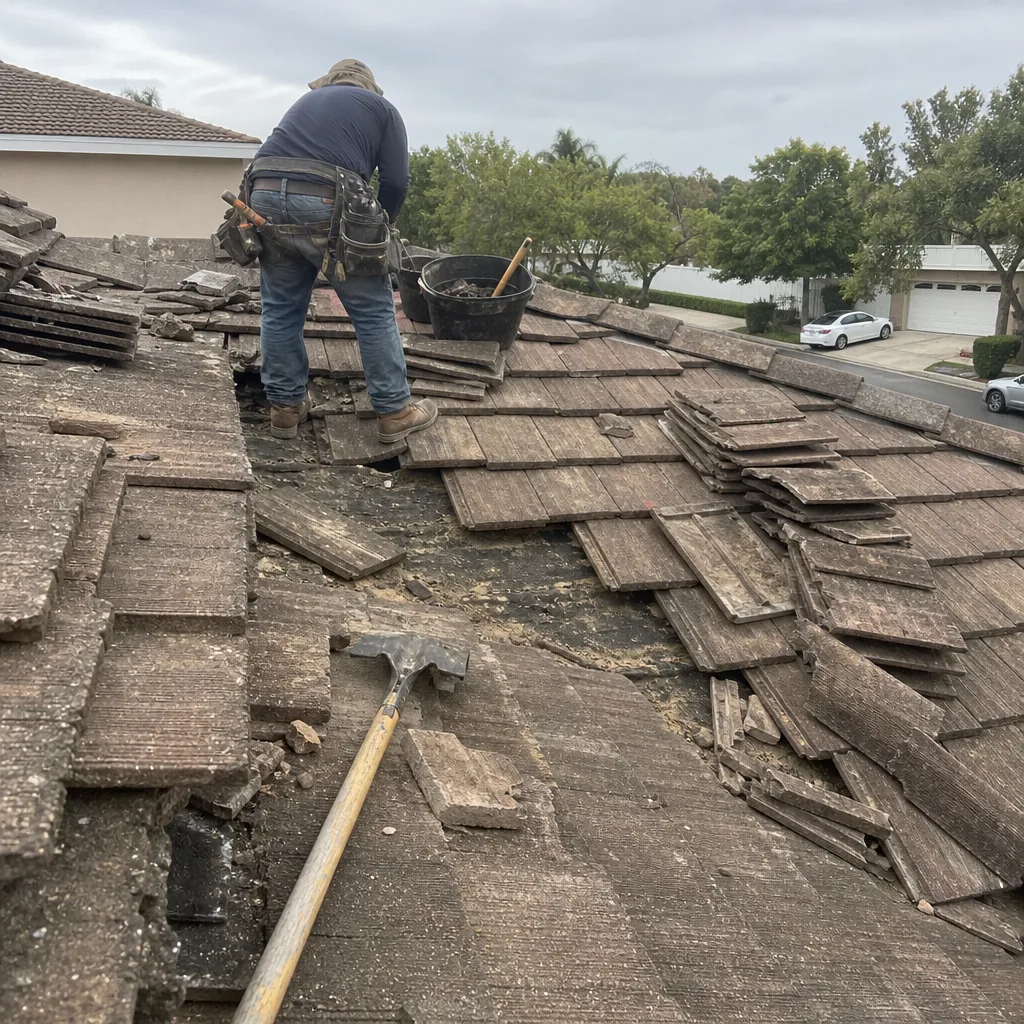
- Tear-off and decking repair (1 to 2 days): Old roof comes off, decking is assessed at the exposed layer, any replacement is documented with photos before proceeding.
- Underlayment and shingle installation (2 to 5 days): Depending on roof size and material complexity.
- Final inspection (3 to 7 days after completion): The city inspector signs off, and you receive closure documentation including the final permit status.
A contractor who cannot articulate this timeline is either inexperienced or deliberately vague. The project should take roughly four to six weeks from inspection to final sign-off in normal conditions. Faster is not necessarily better. Slower with no explanation is a problem. This is your home’s primary defense against rain and sun for the next 20 to 40 years. The process deserves a proper schedule.
Common Mistakes to Avoid
- Hiring the first contractor found after a storm. Post-rain urgency makes homeowners vulnerable to out-of-area crews who leave town when the season ends. Verify local references in Aliso Viejo specifically.
- Choosing a bid without comparing line items. Two bids with a $4,000 gap usually differ in decking allowance, underlayment spec, or permit line items, not in actual roofing quality. Compare categories, not totals.
- Skipping the attic inspection. A contractor who only walks the roof surface has not seen the places where problems begin. Insist on a full attic walk before the bid is finalized.
- Trusting a verbal warranty. If the labor warranty coverage is not written on the proposal, it does not exist. Verbal promises die the day the check clears.
- Allowing a contractor to skip the HOA process. The fastest route to an expensive conflict is completing a roof in a color or material your association does not approve. The HOA process exists to protect your property value.
- Accepting a bid with no permit. Unpermitted roofing work in Aliso Viejo surfaces at resale, and the cost of retroactive permits, inspections, and potential corrections always exceeds the initial savings.
- Failing to confirm workers’ compensation coverage. If an uninsured roofer falls on your property, the liability can land on you. Confirm coverage with the insurance carrier directly.
See the difference
 Before
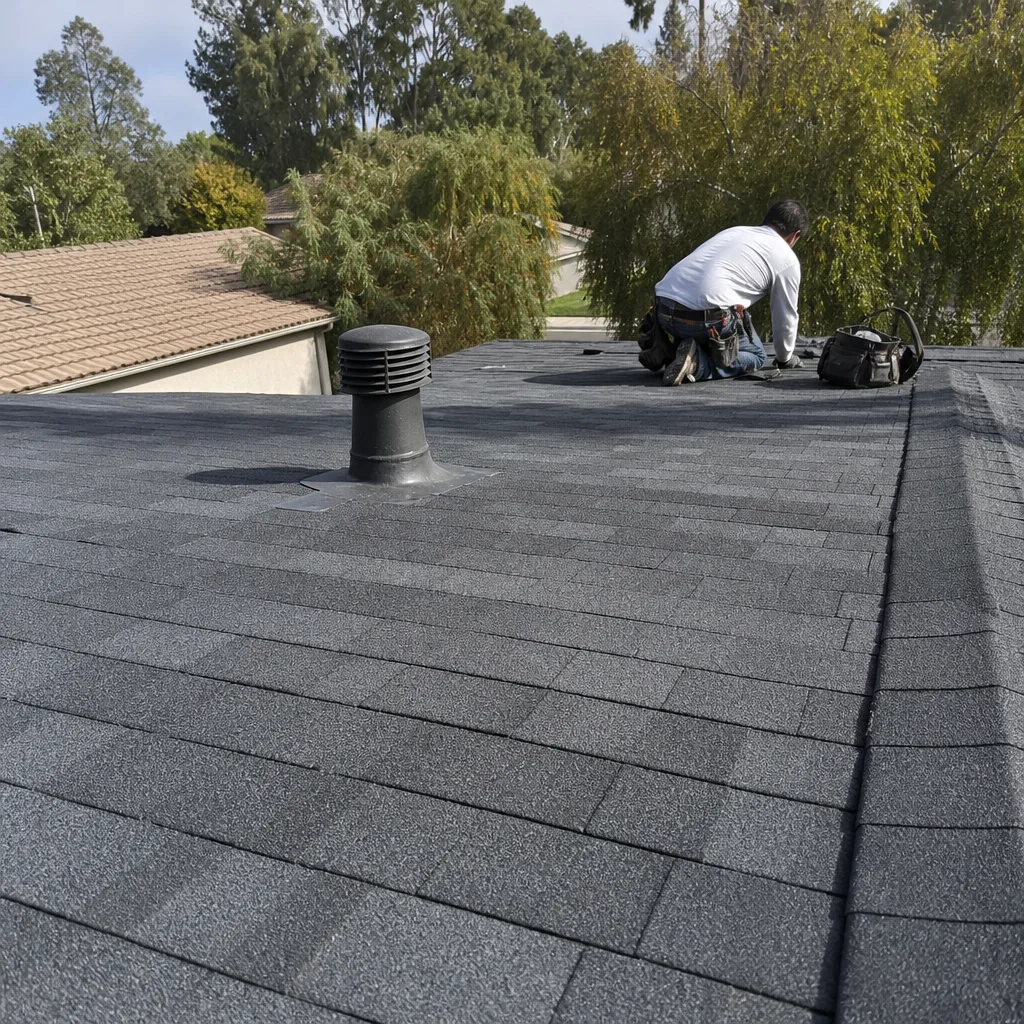 After
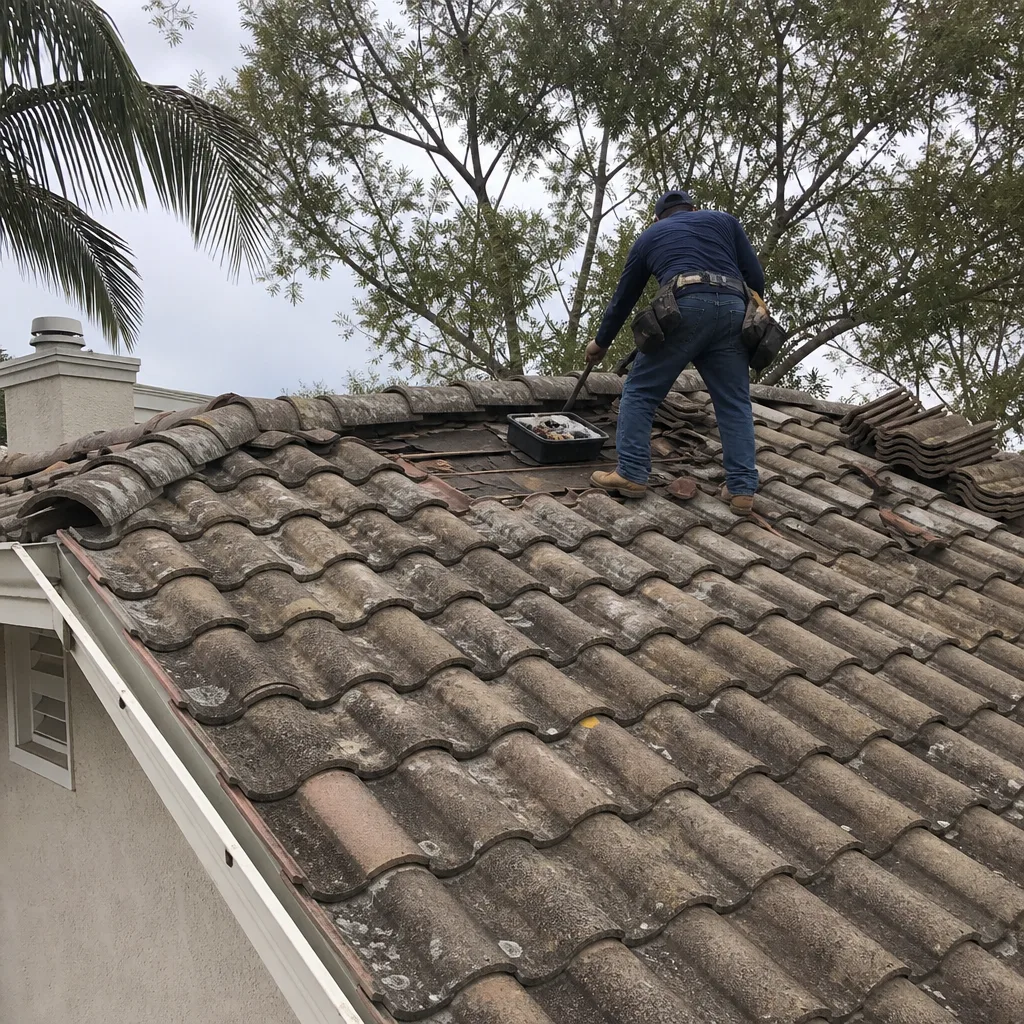 Before
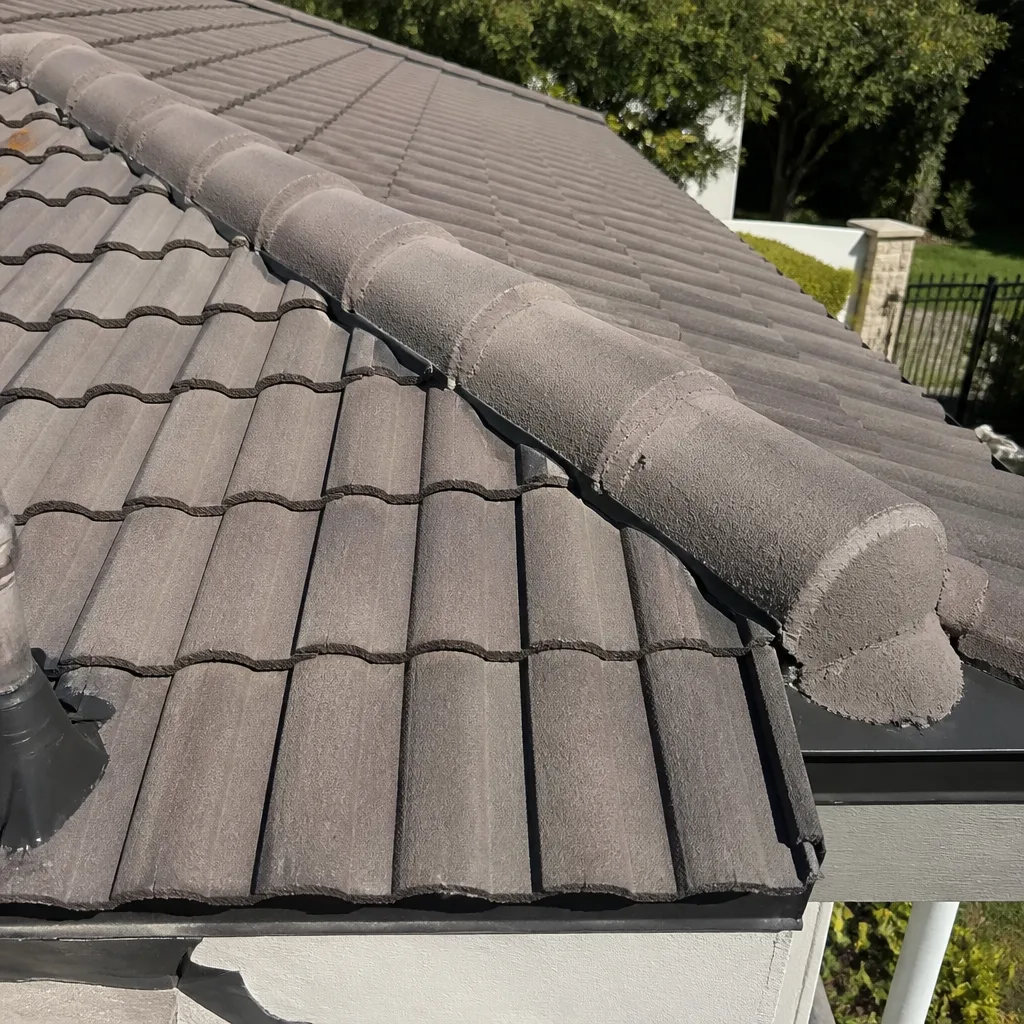 After
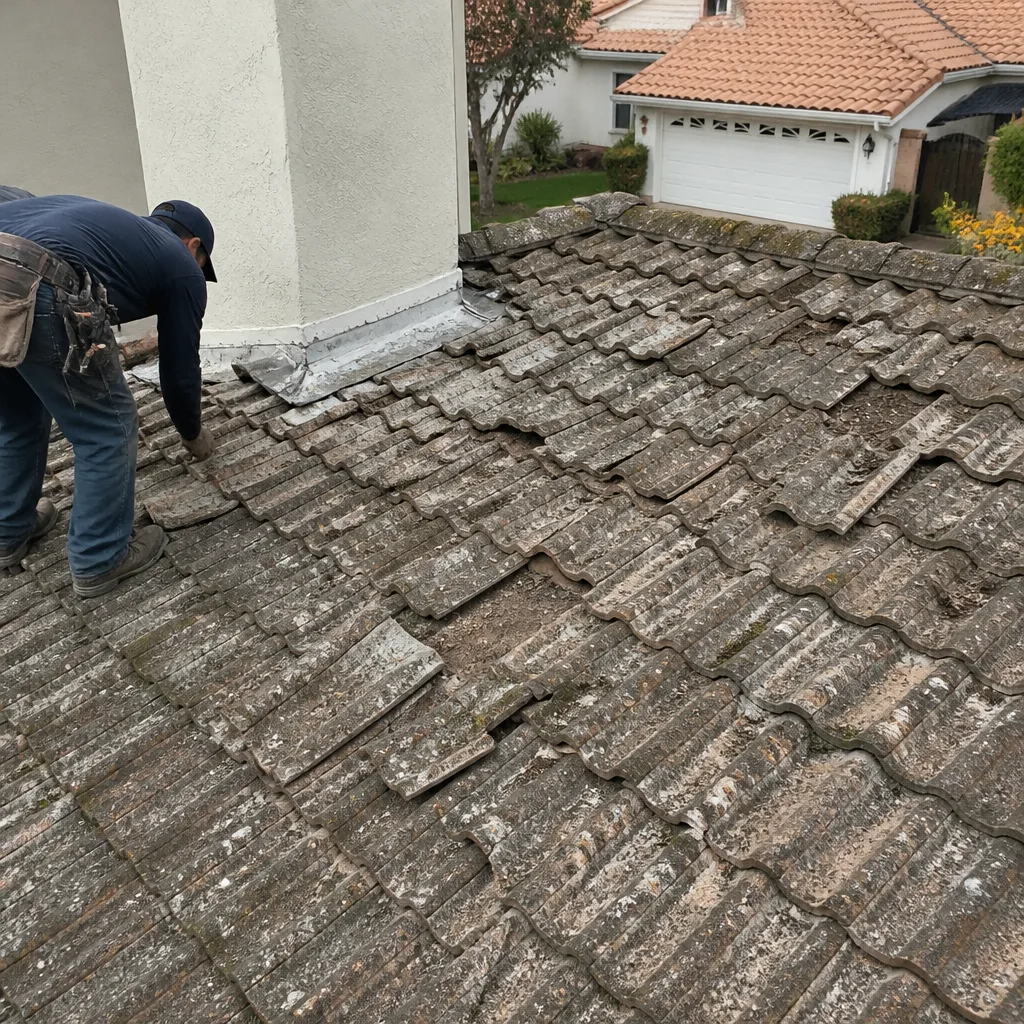 Before
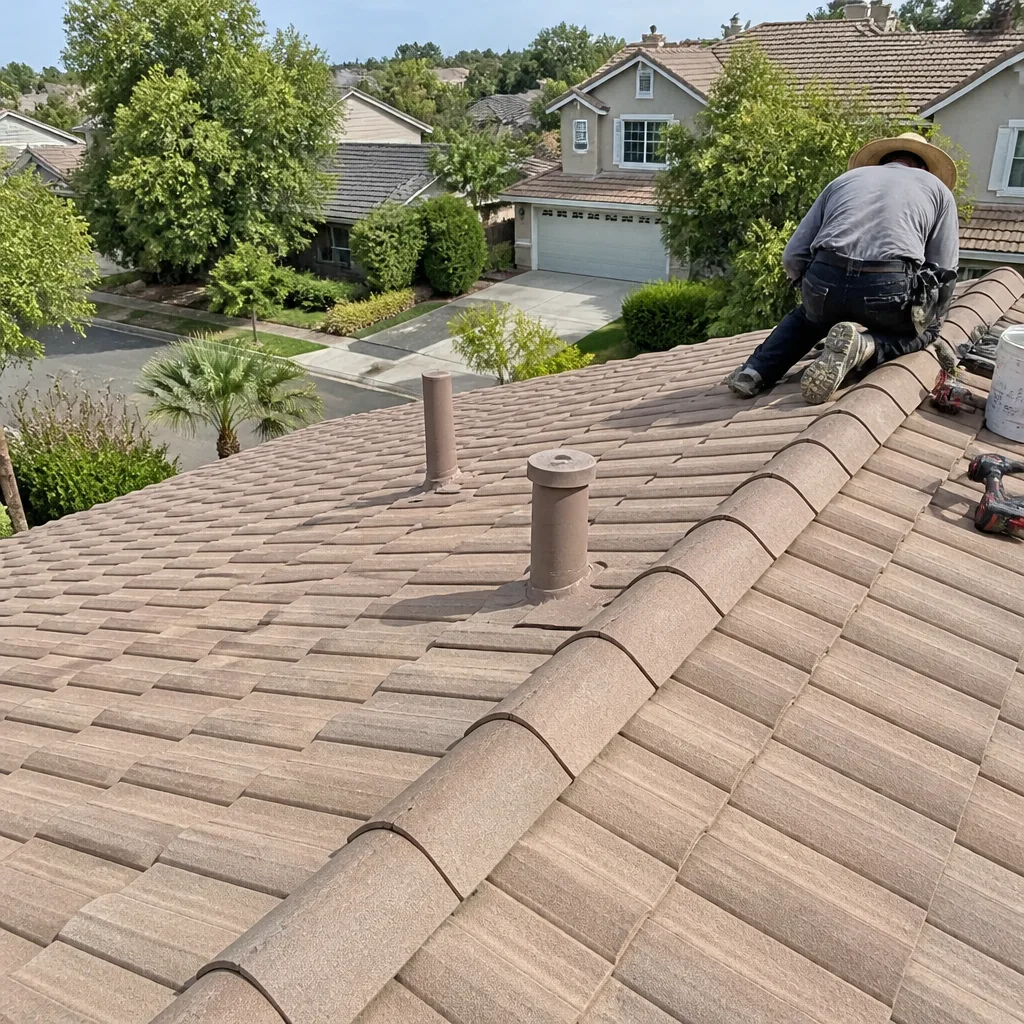 After
When to Call a Professional
If you have noticed water stains on your ceiling, granule buildup in your gutters, shingles lifting at the edges, or visible sagging in your roofline, do not wait. These signs rarely fix themselves, and delay converts a repairable issue into a replacement-level problem. Our Roof Repair Troubleshooting: Common Problems and How to Fix Them explains what to watch for. The same applies if your roof is approaching 20 years old even without visible symptoms. Aliso Viejo’s sun exposure and seasonal rains accelerate wear on roofing materials in ways that are not obvious from the ground. Captain Roof Repair offers free estimates in Aliso Viejo, call (844) 717-4930 to schedule an inspection without any obligation. From the first inspection to the final shingle, we take command of the problem so you don’t have to.
Frequently Asked Questions
A typical composition shingle roof replacement in Aliso Viejo ranges from $12,000 to $22,000 for a standard single-family home, with the final number shaped primarily by roof size, pitch, decking condition, and material selection. See our Roofing Cost Breakdown: The Aliso Viejo Homeowner’s Reference for 2026 for detailed pricing factors. Tile roofs and complex architectural rooflines run higher. Call (844) 717-4930 for an exact quote based on your home’s specific measurements and conditions. Estimates are free.
Yes, the city of Aliso Viejo requires a building permit for roof replacement, and the contractor’s name goes on the application. A legitimate contractor will pull the permit as a standard part of the project. Anyone suggesting you skip it is offering short-term savings that create resale problems later.
Expect four to six weeks from initial inspection to final city sign-off, including HOA submittals and permit processing. The physical tear-off and installation typically spans three to seven days depending on roof size and complexity. The weeks before and after cover approvals, inspections, and documentation.
Aliso Viejo’s mix of intense summer sun and seasonal heavy rain means the best material balances UV resistance, water shedding, and durability. Composition shingles from brands like Atlas or IKO with appropriate ventilation perform well for most homes in the area. The right answer depends on your roof’s pitch, exposure, and your home’s architectural context. A proper inspection identifies the specific conditions on your roof before a material decision is made.
That depends on whether that brand genuinely fits your roof. A single-brand contractor often recommends their brand because it is what they buy at preferred pricing, not because it is the best product for your conditions. Ask them to explain the recommendation in terms of your specific roofline, pitch, and exposure. If they cannot, the recommendation is not really yours.
Decking damage is usually visible from the attic: water staining, soft spots, delaminating plywood, or dark discoloration around penetrations. A proper contractor checks the deck from below during the inspection and again from above after tear-off. If your bid does not include a per-sheet decking replacement price, you do not yet have a complete bid. Call (844) 717-4930 for a free inspection that includes a full attic assessment.
The Bottom Line
Hiring a roofing contractor in Aliso Viejo is a filtering exercise. Verify the license and insurance through the state database. Ask the questions that expose manufacturer captivity and scope-creep bid gaps. Insist on a written proposal with specific line items including decking, permits, and underlayment. Handle the HOA requirements before work starts rather than after. Read the warranty for the labor coverage, not the headline material number. A contractor who handles all of these steps without hesitation is a contractor who will handle your roof the same way. For a structured approach, download our Roof Repair Maintenance Checklist for Aliso Viejo Homeowners. For a free roof inspection in Aliso Viejo, call Captain Roof Repair at (844) 717-4930.
Written by the team at Captain Roof Repair, serving Aliso Viejo since 2017.