
Last updated October 31, 2026
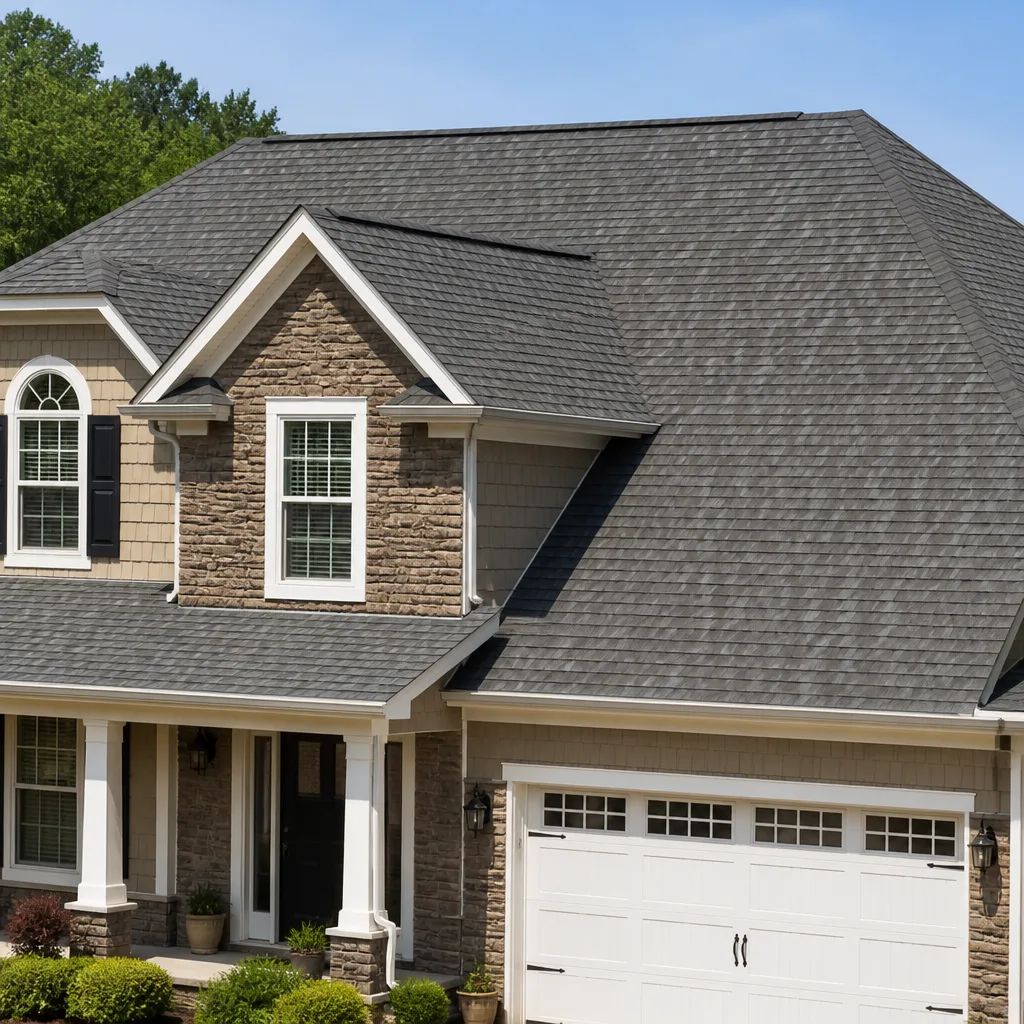 Architectural shingles
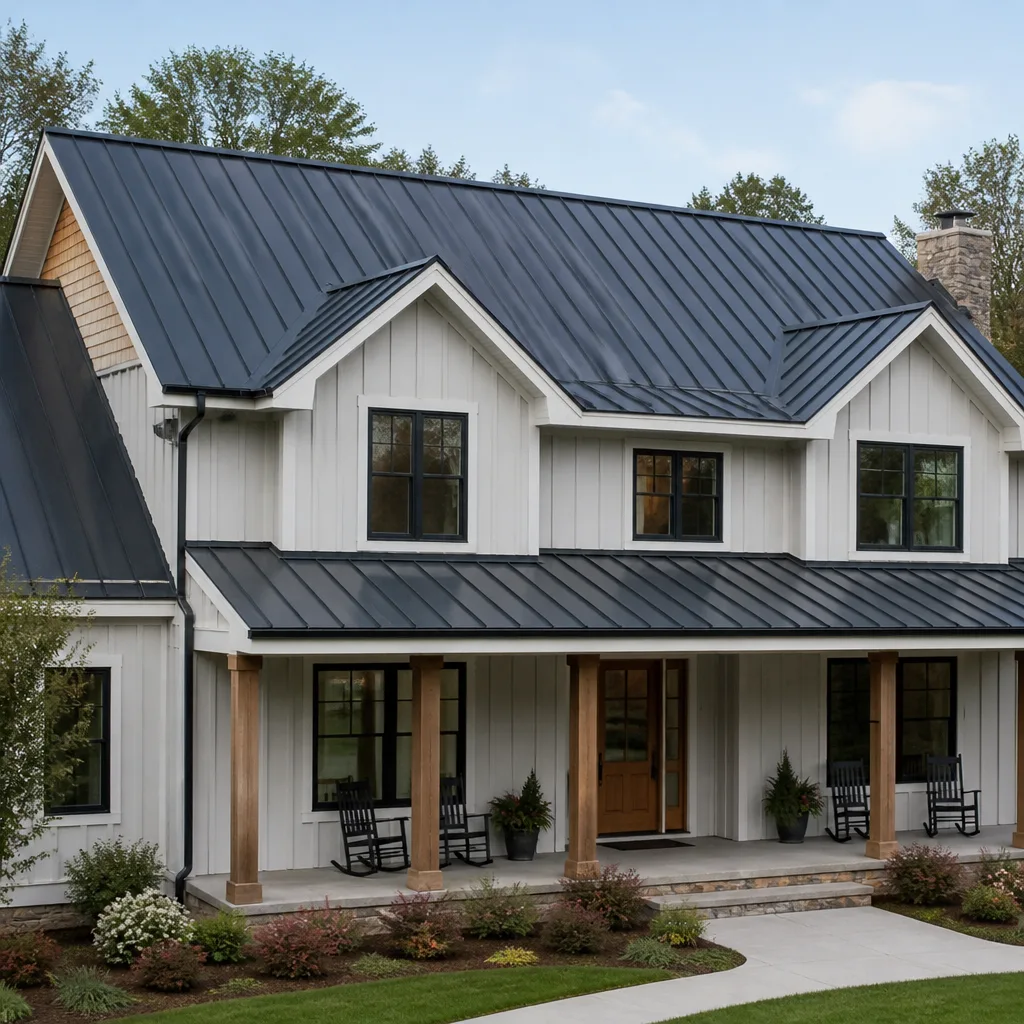 Metal roofing
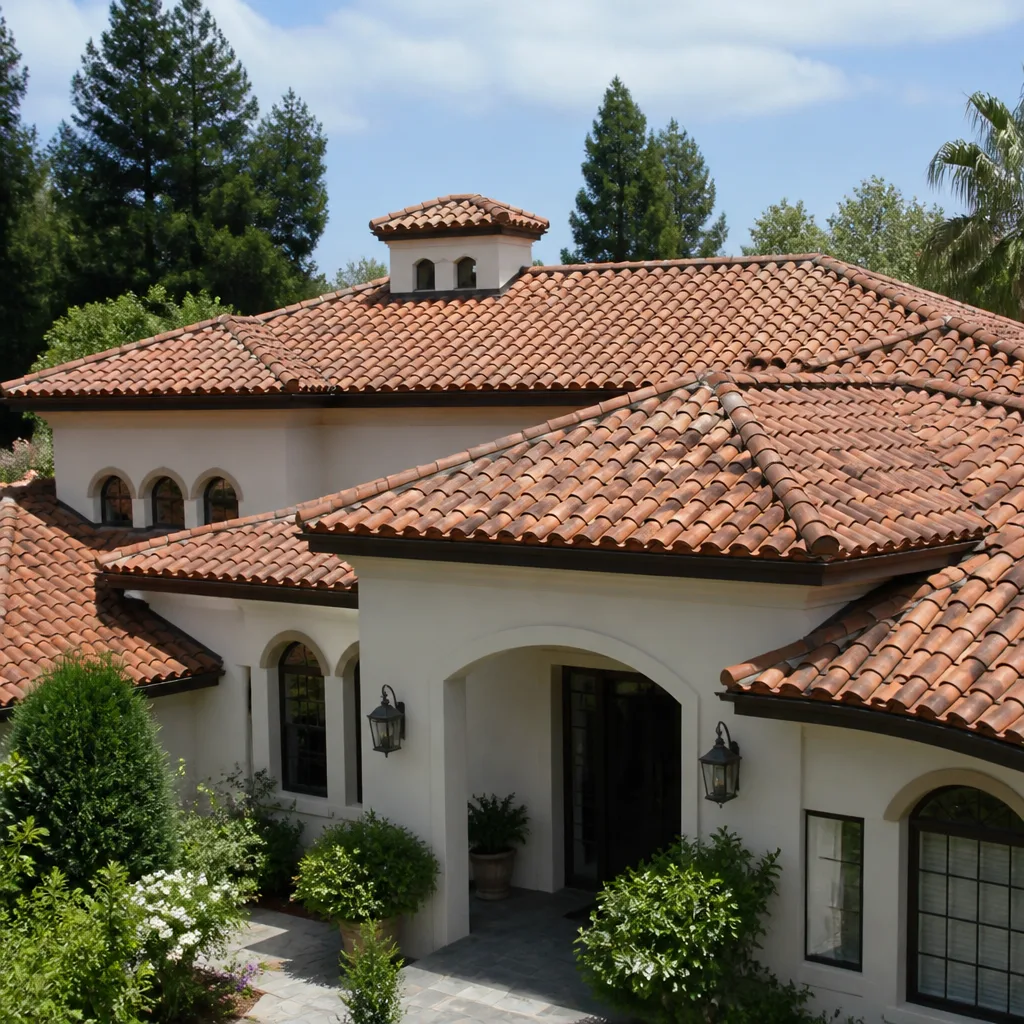 Tile roofing
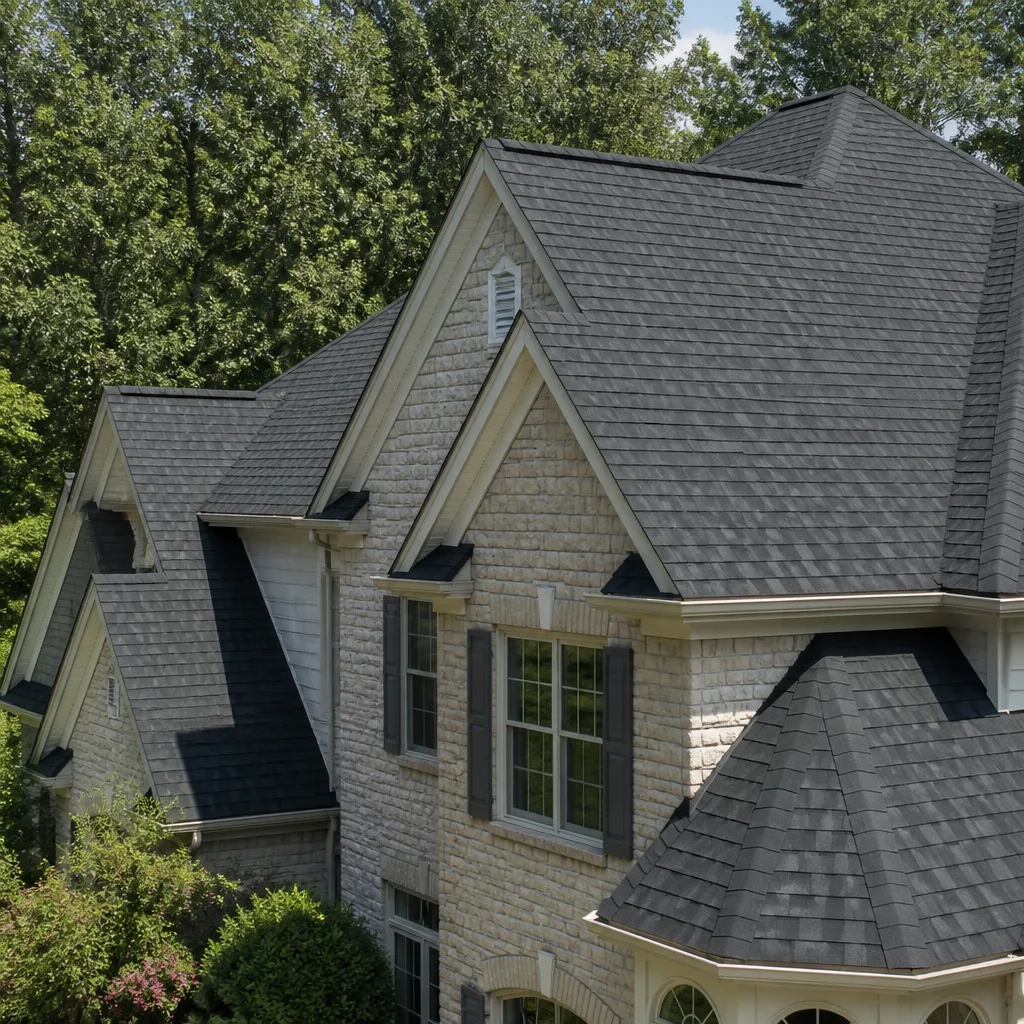 GAF
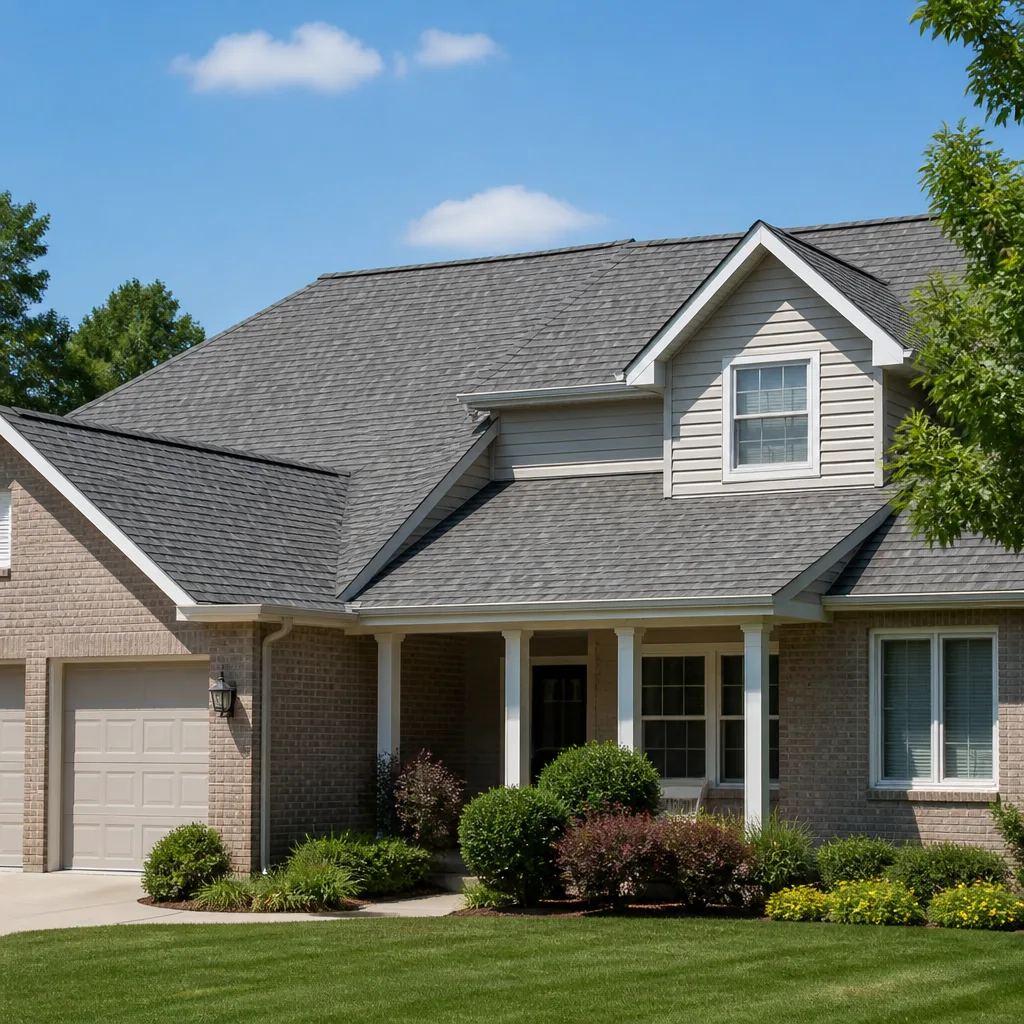 Owens Corning
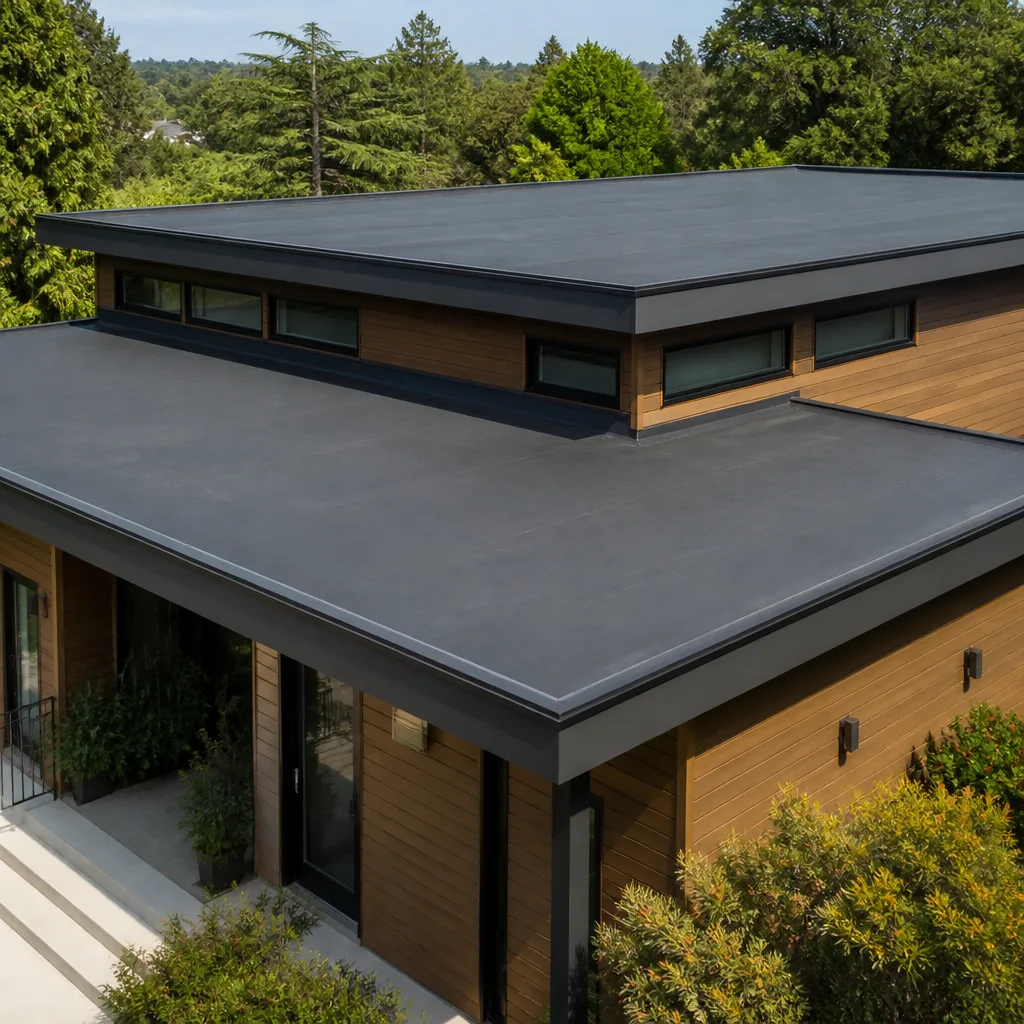 Flat & low-slope
Free roof inspection with deck photos before we talk money - GAF and Owens Corning certified installation
Roof Repair Troubleshooting: Common Problems and How to Fix Them
A stain on your ceiling is almost never directly below the leak. Water travels along rafters and sheathing before it drops, which means the actual breach in your roof could be six, ten, even fifteen feet away from the mark you’re staring at. If you’ve had the same “fixed” area repaired twice, you’ve been patching the wrong place. This guide gives you a systematic way to trace roof problems back to their true source, so you can fix the right thing the first time. We’ve applied this same diagnostic method to hundreds of homes in Aliso Viejo, where the salt air and intense summer sun create a specific set of roof failure patterns most national guides simply don’t cover.
Quick Answer
Roof repair troubleshooting starts with tracing water or damage back to its actual entry point, not its most visible symptom. The most common true causes are failed flashing at penetrations and transitions, worn sealant around vents and pipes, and shingle granule loss from age or impact. Most interior ceiling stains originate at a penetration point (vent, chimney, skylight) or a valley, not in the open field of shingles.
Styles & brands we work with
Table of Contents
- Symptom to Source: The Backward Tracing Method
- The Five Most Misdiagnosed Roof Problems
- How to Perform a Safe Ground-Level Visual Inspection
- What You Can Fix Yourself vs. What to Leave Alone
- Emergency Measures That Protect Without Compromising a Claim
- Why Aliso Viejo Roofs Fail the Way They Do
- How Material Choice Affects Repair Frequency
- Common Mistakes to Avoid
Symptom to Source: The Backward Tracing Method
Every roof problem announces itself through a symptom. The mistake most homeowners make is treating the symptom as the problem. A dark spot on drywall, a drip during heavy rain, granules collecting in a gutter, a shingle in the yard after a windstorm. Each of these points toward something upstream of itself. Here’s how to work backward.
Start with the interior stain. Measure its distance from the nearest exterior wall, then note which direction the roof slopes above that spot. Water that enters at a penetration point, such as a plumbing vent or chimney, will run downhill along the underside of the sheathing until it finds a seam, a nail, or a low point to drip from. In our experience across Aliso Viejo homes, roughly seven out of ten ceiling stains trace back to a penetration within twelve feet uphill of the stain, not the shingle field directly above it.
Next, look for what’s uphill on the exterior. Use a pair of binoculars from the ground. Identify every roof penetration above the stained area: plumbing stacks, attic vents, furnace flues, skylights, chimney crickets. Each one is a candidate. Note their rubber boots, metal flashing, or caulk bead. These materials degrade faster than shingles in the Southern California sun.
Now check the roof valleys. If the stain sits near a wall corner or in a room under a dormer, the valley where two roof planes meet is a frequent culprit. Debris builds up in Aliso Viejo valleys from eucalyptus leaves and Santa Ana wind deposits, holding moisture against the valley metal until it corrodes or separates.
Finally, verify before you call anyone. Document the exact stain location from inside, photograph the roof surface from the ground at three angles, and clear the gutters to see if granule accumulation correlates with a specific roof plane. A roofer who arrives with your photos and measurements can assess faster and quote more accurately. This is also what we look for first during a Roof Inspection in Aliso Viejo.
The Five Most Misdiagnosed Roof Problems
We’ve seen the same misdiagnosis patterns repeat across hundreds of roofs in Aliso Viejo and surrounding Orange County communities. Here are the five that cost homeowners the most money, because each one gets repaired in the wrong place at least once.
- Flashing failure mistaken for shingle damage. When a leak appears near a chimney, skylight, or wall intersection, homeowners often blame the shingles. The truth is that shingles rarely fail while flashing does. Flashing is thin metal, and it expands and contracts with temperature swings. In Aliso Viejo, where daytime sun bakes roof surfaces to 140 degrees and overnight marine air drops them 50 degrees, that daily cycling is relentless. Step flashing at walls and counter-flashing at chimneys warps, pulls away, or corrodes. The shingles nearby are usually fine.
- Condensation mistaken for an active leak. In the cooler months, warm interior air rises into attics and hits cold sheathing. Water droplets form and drip onto insulation, then down through ceiling drywall. A homeowner sees a water stain and calls for a leak repair. But the roof isn’t leaking at all. The fix is ventilation: intake at the eaves, exhaust at the ridge. Aliso Viejo homes with tile roofs are particularly prone to this because tile holds the night’s coolness longer than asphalt shingles.
- Pipe boot failure mistaken for shingle failure. The rubber boot around a plumbing vent sits directly on the roof surface. Sun degrades rubber far faster than shingles. After five to seven years in the Aliso Viejo climate, these boots crack and peel. Water runs under the boot, travels along the underside of the sheathing, and appears as a stain ten feet away. Replacing shingles around the vent does nothing. The boot is the fix.
- Valley debris buildup mistaken for valley metal failure. A valley that leaks often isn’t a failed valley. It’s a clogged one. Leaves, twigs, and grit from Santa Ana winds compact in the valley channel and act like a dam. Water backs up behind the blockage and overflows sideways under the shingles. Clearing the valley and checking for lifted shingle edges at the overflow point resolves the issue without touching the valley metal.
- Underlayment failure mistakenly blamed on visible shingles. When a roof leaks and the shingles look intact, the underlayment beneath is often the failed component. This is especially common in Aliso Viejo tile roofs. The tiles themselves can last decades, but the felt or synthetic underlayment beneath them gradually breaks down from heat and trapped moisture. Spot repairs that replace a few tiles don’t touch the actual problem. A section re-lay or Roof Repair in Aliso Viejo that includes underlayment is required.
How to Perform a Safe Ground-Level Visual Inspection
You don’t need to climb a ladder to gather useful diagnostic information. In fact, we prefer that homeowners stay on the ground for the first pass. A ground-level inspection with binoculars and a camera phone gives us more useful data than a shaky ladder video. Here’s the process we recommend.
- Stand across the street, not in the yard. Distance flattens the perspective and reveals roof plane contours. A sag, a hump, or a valley that drains incorrectly is easier to see from thirty feet away than from directly below. Walk the full perimeter of your Aliso Viejo home and photograph each roof plane from a position where you can see the entire slope.
- Check ridge lines first. The ridge is the roof’s spine. Look for missing ridge caps, lifted cap shingles, or gaps where the ridge meets a hip. Ridge caps take the brunt of wind exposure in Aliso Viejo, and they’re the first component to loosen during Santa Ana events.
- Scan valleys and penetrations second. Binoculars make this easy. Look for debris accumulation in valleys, cracked rubber boots at plumbing vents, rusted or separated flashing at chimneys and skylights, and any area where caulk has shrunk away from a joint.
- Photograph everything suspicious at three angles. Wide shot for location context, medium shot for the component, close-up for the defect. These photos become your communication baseline when a roofer arrives. They also document the roof’s condition before any work begins, which protects you if a repair creates new issues.
- Check gutters and downspouts from the ground. Granule accumulation tells a story. Heavy granules in one downspout means the roof plane feeding it is shedding granule material faster than others. In Aliso Viejo, the south and west facing planes shed fastest because they get the harshest sun. This is normal wear, but accelerating accumulation signals the shingles on that plane are nearing end of life.
If you see something suspicious and want a trained eye on it, a Roof Inspection in Aliso Viejo gives you a written assessment with photographs and measurements, not a sales pitch.
What You Can Fix Yourself vs. What to Leave Alone
There’s a line in roofing where a confident homeowner can save money safely, and a line where touching the problem makes it more expensive to fix later. Knowing which side of that line you’re on matters more than any tutorial video.
Reasonable DIY tasks (low risk, high reward)
- Clearing gutters and valleys. Debris removal is safe from a ladder with a standoff. It prevents water backup and extends the life of every component around it. Do this before the rainy season and again after heavy winds.
- Trimming overhanging branches. Trees that scrape against the roof create wear and drop organic debris that holds moisture. Branches hanging within six feet of the roof surface should be trimmed. This is standard Aliso Viejo maintenance, especially for homes near the canyon edges where eucalyptus and oak overhang is common.
- Replacing a single accessible shingle. If you can reach the shingle from a ladder set on flat ground, and the slope is low enough to stand comfortably, a single tab replacement is straightforward. Use a flat bar to lift the shingle above, remove the damaged shingle’s nails, slide it out, nail a new one in place, and seal the nail heads. Only do this on roofs with a slope you can stand on without gripping.
- Resealing a small caulk gap at a penetration. If you can safely reach a pipe boot or vent flange, a bead of roofing-grade sealant applied to a clean, dry joint is within a homeowner’s wheelhouse. Just know that this is a temporary measure. The boot itself still needs replacement when cracks appear.
Do not touch these. Call a professional.
- Anything requiring you to walk on the roof. Aliso Viejo homes with tile roofs are especially dangerous. Concrete and clay tiles crack under foot traffic. A homeowner trying to reach a chimney or skylight walks across tiles, cracks several, and turns a $400 flashing repair into a tile field replacement plus the original repair. Steep pitches compound the danger.
- Flashing work at chimneys, walls, and skylights. Flashing repair requires removing surrounding shingles or tiles, cutting metal to spec, and re-layering in the correct order. Do it wrong and the leak gets worse. We see this constantly: a homeowner attempts a chimney flashing repair with caulk and roof cement, the leak continues, and the cement now has to be chiseled off before proper repair can begin. That added labor costs more than if we’d done the original repair.
- Underlayment replacement. This requires removing the roof covering over a section, replacing the layer beneath, and reinstalling the covering. It’s a full re-roof for that section, not a patch. On Roof Replacement in Aliso Viejo projects, homeowners often think they need a few shingles when the underlayment across the entire roof has reached the end of its life.
- Anything involving a valley. Valley repair requires working where two slopes meet, which is the most water-concentrated area of the roof and the most difficult to detail correctly. A failed DIY valley repair creates interior damage before you know it failed.
Emergency Measures That Protect Without Compromising a Claim
When a roof starts leaking during a storm, two things matter: stopping interior damage and preserving your ability to file an insurance claim that won’t be denied. These goals can work together if you act carefully.
- Contain the water inside first. Move furniture and electronics. Place buckets under active drips. If the ceiling is bulging, puncture it with a screwdriver at the lowest point so water drains in a controlled stream instead of spreading through the drywall cavity and collapsing a larger area. This sounds counterintuitive, but a small controlled hole is far less expensive to repair than a collapsed ceiling.
- Photograph everything before you touch anything on the roof. Insurance adjusters look for storm-specific damage patterns. If you tarp before documenting the damaged area, you can’t prove the damage existed. Take photos of the interior stain, the attic if accessible, and the roof surface from the ground. Timestamp the photos.
- Tarp only if the leak is active and you can do it safely. A tarp should cover the damaged area and extend at least three feet past the ridge on the uphill side. Secure it with 2x4s or sandbags, never nails through the roof surface. If the roof is steep, wet, or you’re unsure how to secure the tarp without walking on the roof, wait for a professional. The risk of a fall outweighs the cost of additional interior water damage.
- Keep all receipts for emergency mitigation. Buckets, tarps, towels, fans, dehumidifier rentals. Every dollar spent preventing further damage is a line item on your claim. Documentation matters.
In Aliso Viejo, the most common emergency scenario is a tile roof that loses a few tiles in high wind, exposing the underlayment. The underlayment holds for a while, but if the rainy season is approaching, a temporary protective covering is the right call until permanent repair is scheduled.
Why Aliso Viejo Roofs Fail the Way They Do
Aliso Viejo sits in a specific climate zone that creates predictable roof failure patterns. Understanding these patterns helps you anticipate problems before they become leaks.
The summer sun is the primary driver. Roof surfaces in Aliso Viejo regularly reach 140 degrees Fahrenheit in July and August. Asphalt shingles cook. The asphalt compounds that keep shingles flexible slowly break down under UV exposure. After ten to twelve years, shingles on south and west facing planes begin to lose granule material, become brittle, and crack along the edges. This is normal for the climate, but it means those planes need attention several years before the north and east facing planes.
The marine layer adds a second stressor. Evening fog rolls in from the Pacific, dropping surface temperatures rapidly. That daily expansion and contraction cycle stresses every roof component, especially flashing and sealant. Metal flashing fatigues. Caulk beads shrink and pull away. Rubber boots crack. These are the components that fail first in Aliso Viejo, and they’re the least visible from the ground.
Santa Ana winds deliver a third stressor. The dry, hot winds that sweep through in fall and early winter lift shingle tabs, loosen ridge caps, and drive debris into valleys. After any significant Santa Ana event, a quick ground-level check of ridge lines and valleys is the cheapest preventive maintenance you can perform.
The combination means Aliso Viejo homeowners should expect to replace pipe boots and re-seal penetrations around year seven to ten, regarldess of shingle condition. Flashing and sealant are consumable components. The shingle field may still have years of life left while the penetrations have already failed.
How Material Choice Affects Repair Frequency
The material on your roof determines how often you’ll troubleshoot problems and what those problems look like. We work across seven major roofing brands, including GAF, CertainTeed, and Tamko, because each has material lines suited to different Aliso Viejo homes. The right material matched to the right home means fewer repair calls over the roof’s life.
Asphalt shingle roofs are the most common in Aliso Viejo. Within asphalt, you have three tiers: three-tab, architectural, and premium designer shingles. Three-tab shingles are the most affordable and the most vulnerable to wind damage. Architectural shingles from GAF and CertainTeed offer better wind resistance and thicker granule layers, translating to fewer wind-related repairs. Designer shingles add impact resistance that matters for homes near trees or in windy canyon areas.
Tile roofs, common in many Aliso Viejo neighborhoods, present a different troubleshooting profile. The tiles themselves rarely fail. Ceramic and clay tile lasts decades. What fails is the underlayment beneath, and the flashing at transitions. Homeowners with tile roofs should expect an underlayment replacement around year twenty to twenty-five, while the tiles get re-installed over the new underlayment. Boral tile, in particular, is dense and long-wearing, but the system still depends on what’s underneath it.
Material choice also affects repair economics. A roof installed with premium architectural shingles may cost more upfront but will need fewer repairs over its first fifteen years. A roof installed with entry-level three-tab shingles will save money now and require more repair budget later. We present this tradeoff honestly during every Roof Inspection in Aliso Viejo, because the right answer depends on how long you plan to own the home and what your tolerance is for annual maintenance.
Common Mistakes to Avoid
- Patching the stain instead of the source. Re-painting a ceiling stain without fixing the leak means you’ll re-paint again in six months. The water intrusion is still happening above the drywall, and trapped moisture breeds mold even after the visible stain is covered.
- Using roof cement as a permanent fix. Roof cement is a temporary sealant. It dries, cracks, and fails in the Aliso Viejo sun, usually within a season. It’s fine for a short-term emergency, but it’s not a repair. Contractors who reach for cement as the primary fix are not diagnosing the actual failure.
- Adding a second layer of shingles instead of tearing off. Some contractors offer re-roofs over existing shingles. It’s cheaper and faster. It also means the old underlayment stays in place, failed flashing gets covered rather than replaced, and the new roof inherits the old roof’s problems. A proper roof replacement includes tear-off and inspection of the deck beneath.
- Ignoring the attic. The attic tells the truth about every roof. Ventilation, insulation, moisture stains, daylight showing through decking. Homeowners who never go into their attic are troubleshooting blind. Once a season, go up with a flashlight and look around.
- Waiting until the rainy season to address problems. Aliso Viejo gets most of its rain between November and March. Roofing contractors are busiest during that window, which means higher prices and longer waits. The smart time to address roof problems is spring and summer when the weather is dry and schedules are open.
- Not documenting the roof’s condition annually. Photograph your roof from the same positions once a year. When a problem appears, you’ll have a timeline of when it started. Insurance claims are easier when you can show progressive wear or storm-specific changes rather than a single undated snapshot.
See the difference
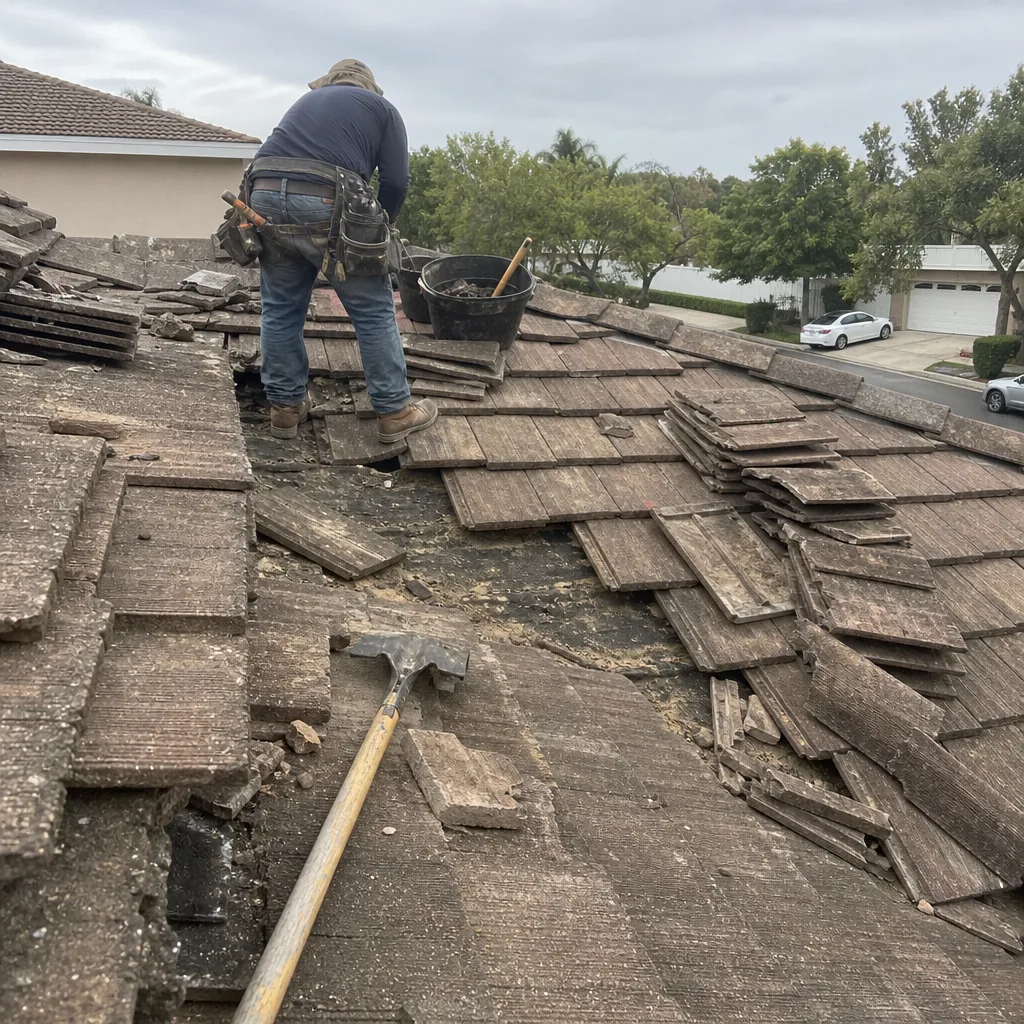 Before
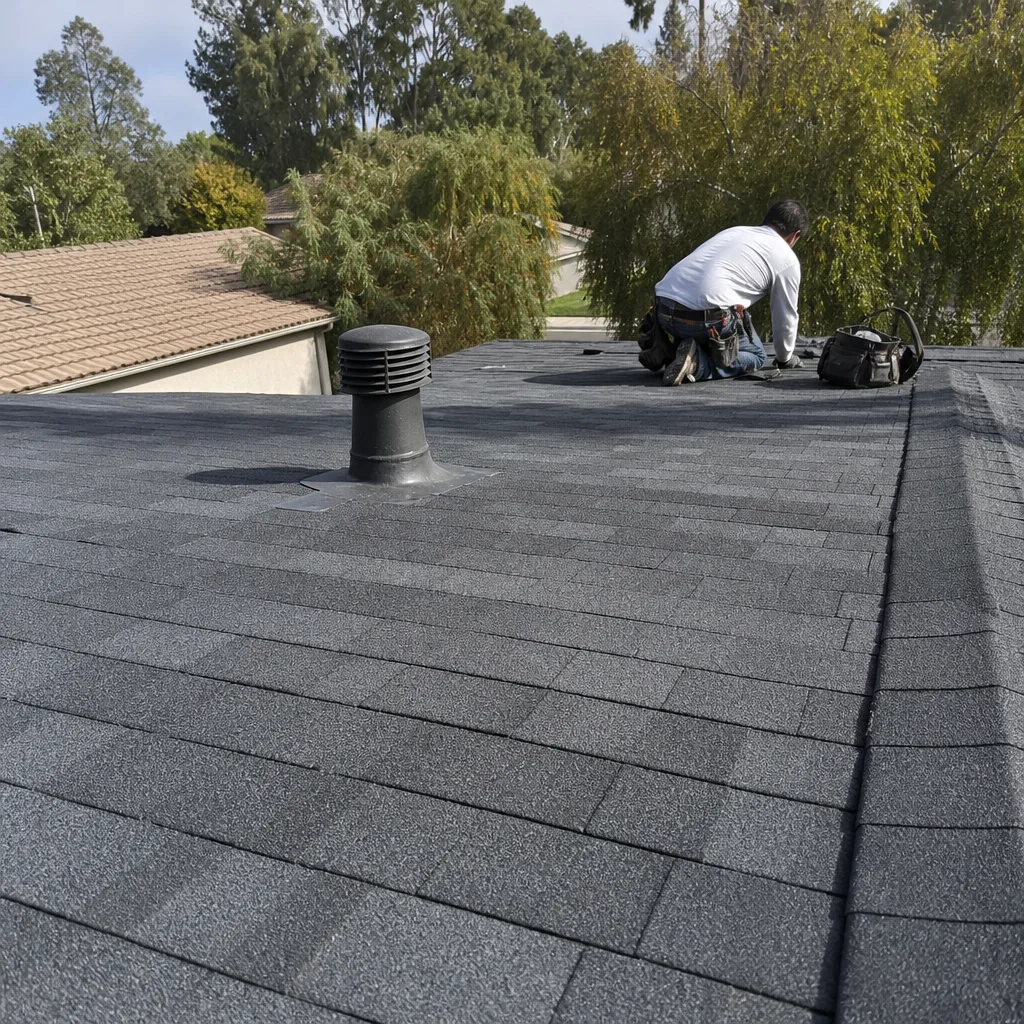 After
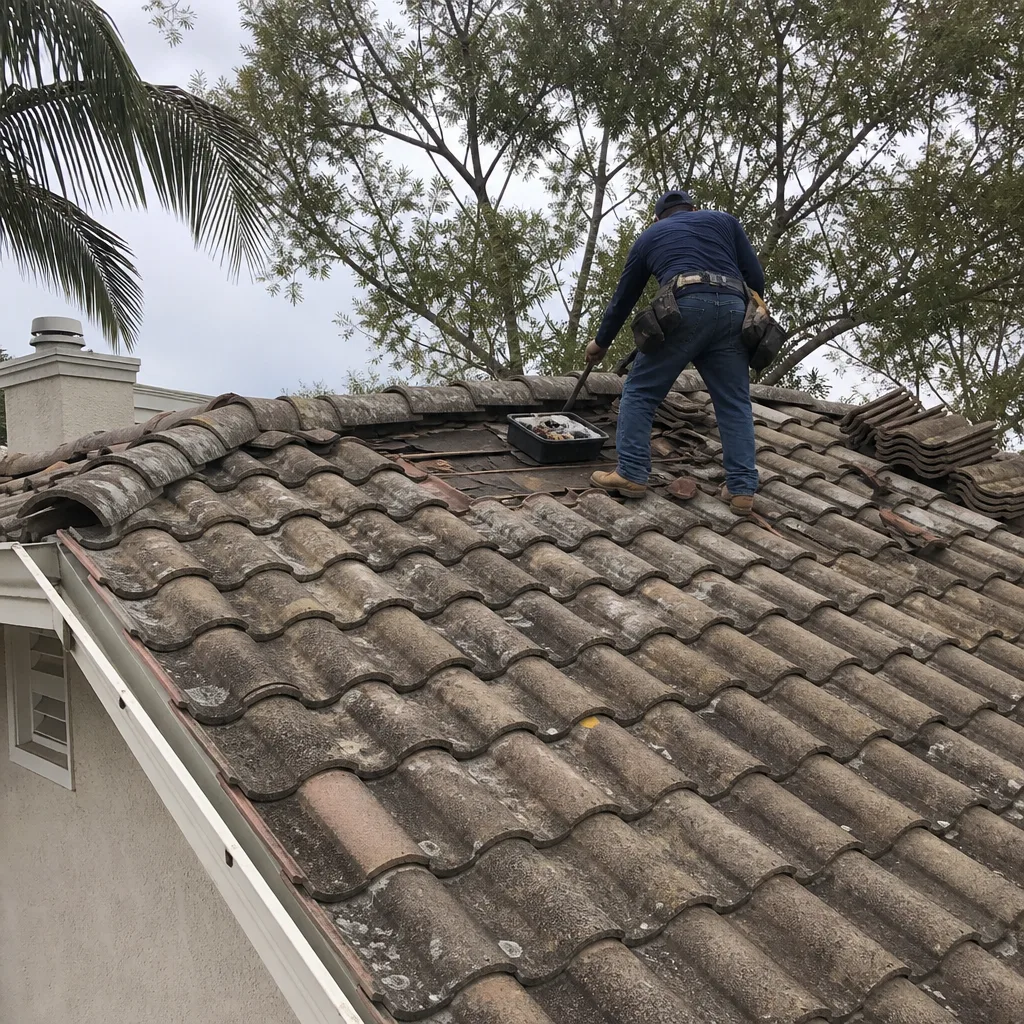 Before
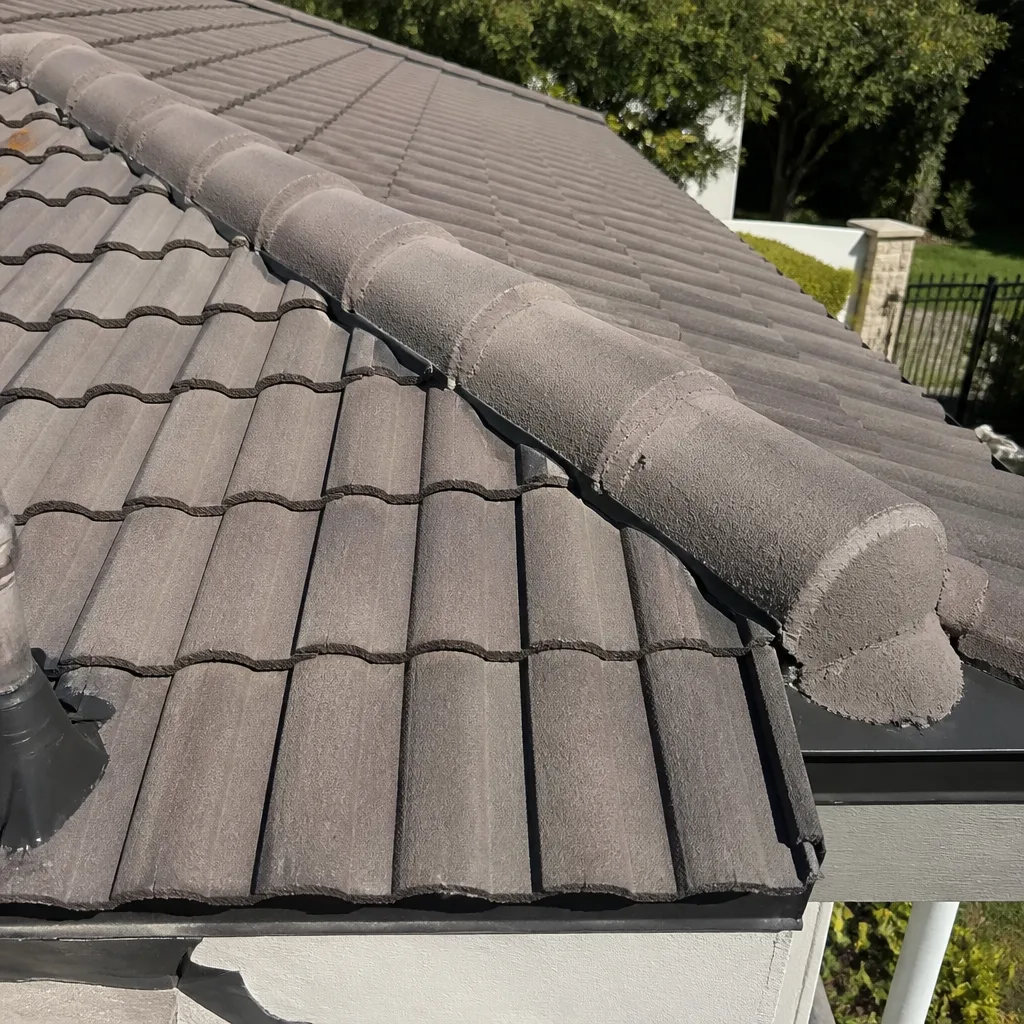 After
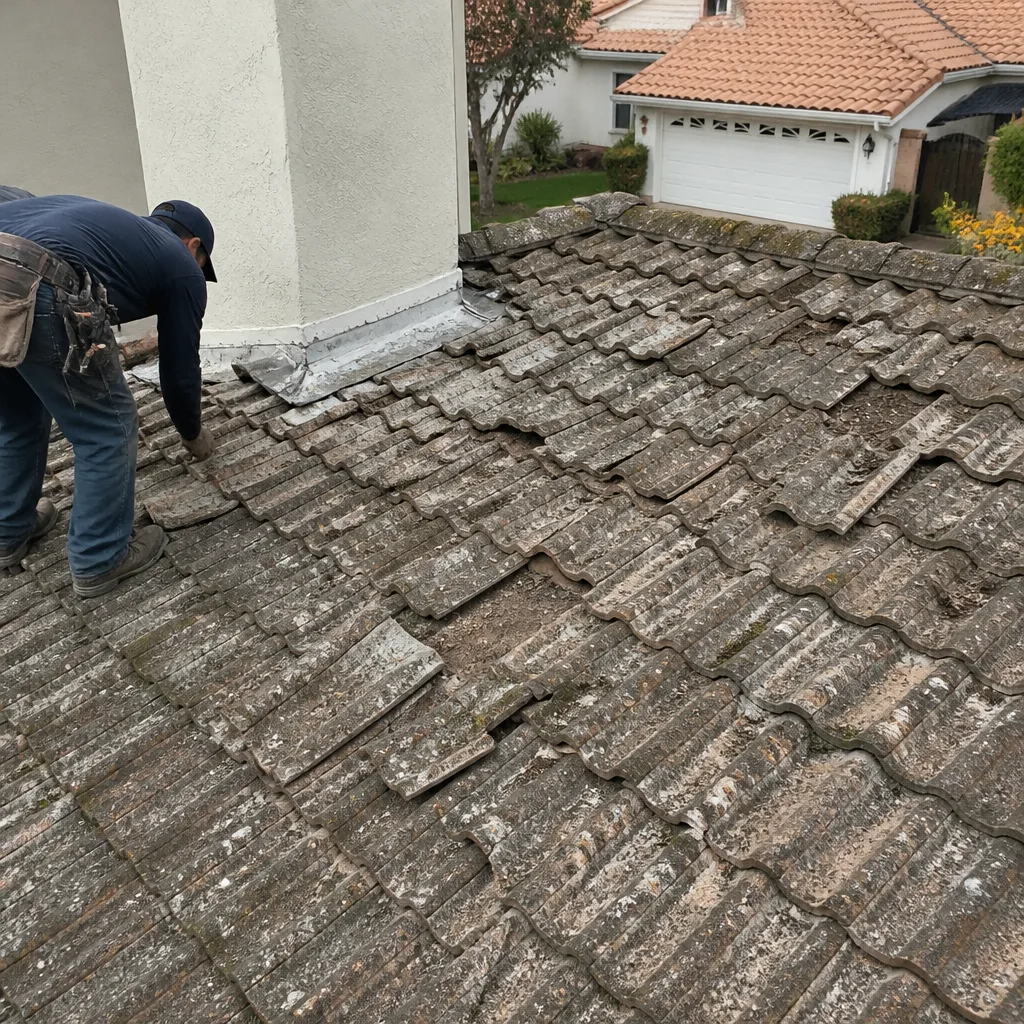 Before
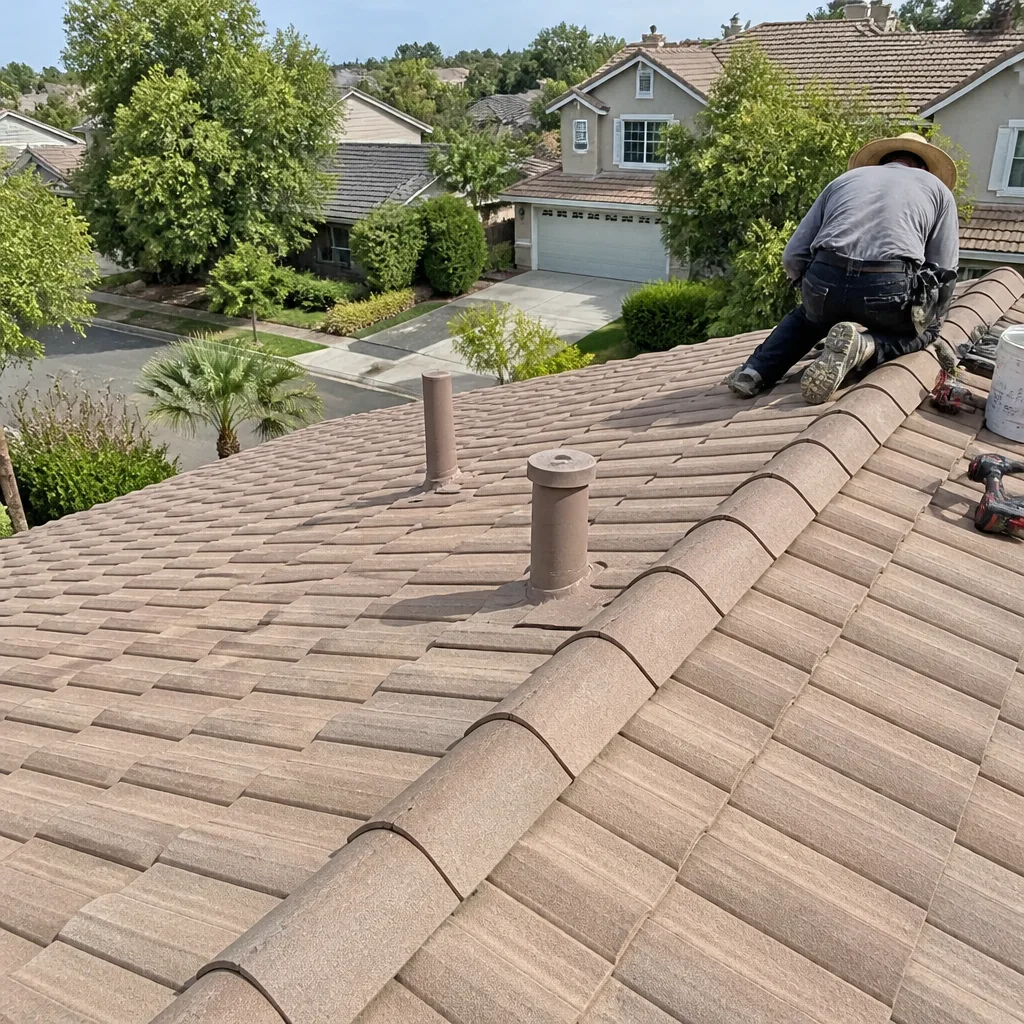 After
When to Call a Professional
Call a professional when the problem is beyond ground-level reach, when interior water is active, when flashing is involved, when the underlayment is suspected, or when you’ve attempted a fix and the problem continues. Call also when you see daylight through the attic deck, when shingles are missing after a wind event, or when your roof is older than fifteen years and you haven’t had a professional assessment in the last three. Captain Roof Repair offers free estimates in Aliso Viejo, and we’ll tell you exactly what your roof needs and why. Call (844) 717-4930 to schedule a look.
Frequently Asked Questions
Work backward from the interior stain. Note the stain’s position relative to exterior walls, then identify every roof penetration uphill from that point: vents, pipes, chimneys, skylights, valleys. The leak is almost always at one of those penetrations, not in the open shingle field.
Minor repairs in Aliso Viejo, such as replacing a pipe boot or resealing a small flashing joint, typically run from $250 to $600. Flashing repair at a chimney or valley runs higher, often $800 to $1,500 depending on access and extent. Section repairs that include underlayment replacement start around $1,500 and go up from there. These are the ranges we see across Aliso Viejo homes.
With our written line-item quotes, the price doesn’t change unless we uncover a problem that wasn’t visible from the surface, and we’ll show you that problem and get your approval before proceeding. We don’t do change orders without explanation.
Minor repairs like shingle replacement or pipe boot replacement generally don’t require permits in Aliso Viejo. Larger repairs that involve structural work or significant underlayment replacement may trigger a permit requirement. We handle permit determination and filing for any job that needs it.
Most minor repairs take one to two hours on site. Flashing repairs take half a day. Section repairs with underlayment replacement take a full day. Roof Replacement in Aliso Viejo is a separate category, typically taking one to three days depending on size and material.
Yes, in most cases. We work across GAF, CertainTeed, Tamko, and other major brands, which means we can source matching materials for most Aliso Viejo roofs. If your exact shingle has been discontinued, we’ll show you the closest match before any work begins. Older tile roofs are harder to match exactly, and we’ll tell you that honestly.
The Bottom Line
Roof problems are symptoms of root causes, and the root cause is usually not where the symptom appears. Failed flashing, worn pipe boots, cracked sealant, and degraded underlayment cause most Aliso Viejo roof leaks, not the shingles or tiles themselves. Trace backward from the symptom, document what you find, handle the safe simple tasks yourself, and bring in a professional for anything involving flashing, underlayment, or roof-surface work. The companies that do this well, like Captain Roof Repair home, treat diagnosis as the core job, not a prelude to a sales pitch. From the first inspection to the final shingle, one crew should take command of the problem so you don’t have to.
Written by the team at Captain Roof Repair, serving Aliso Viejo since 2017.