
Last updated October 31, 2026
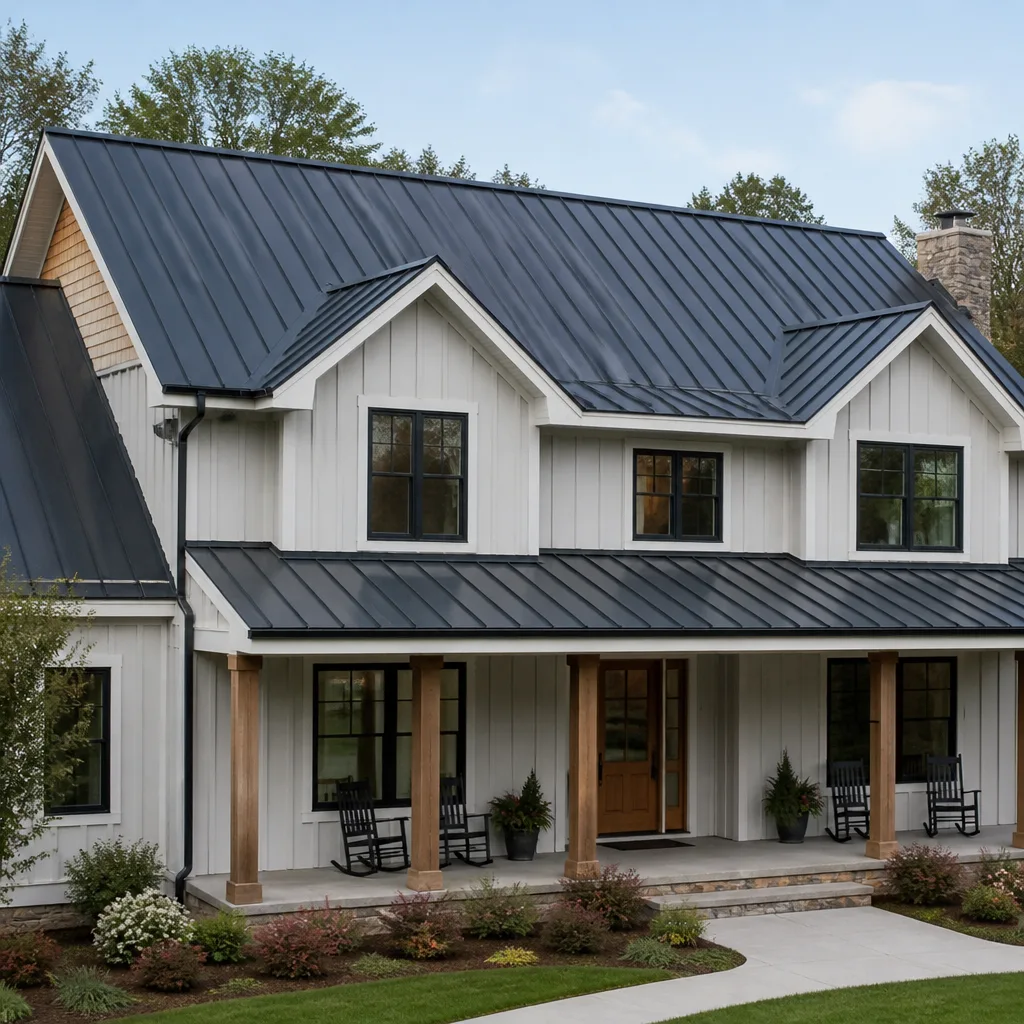 Metal roofing
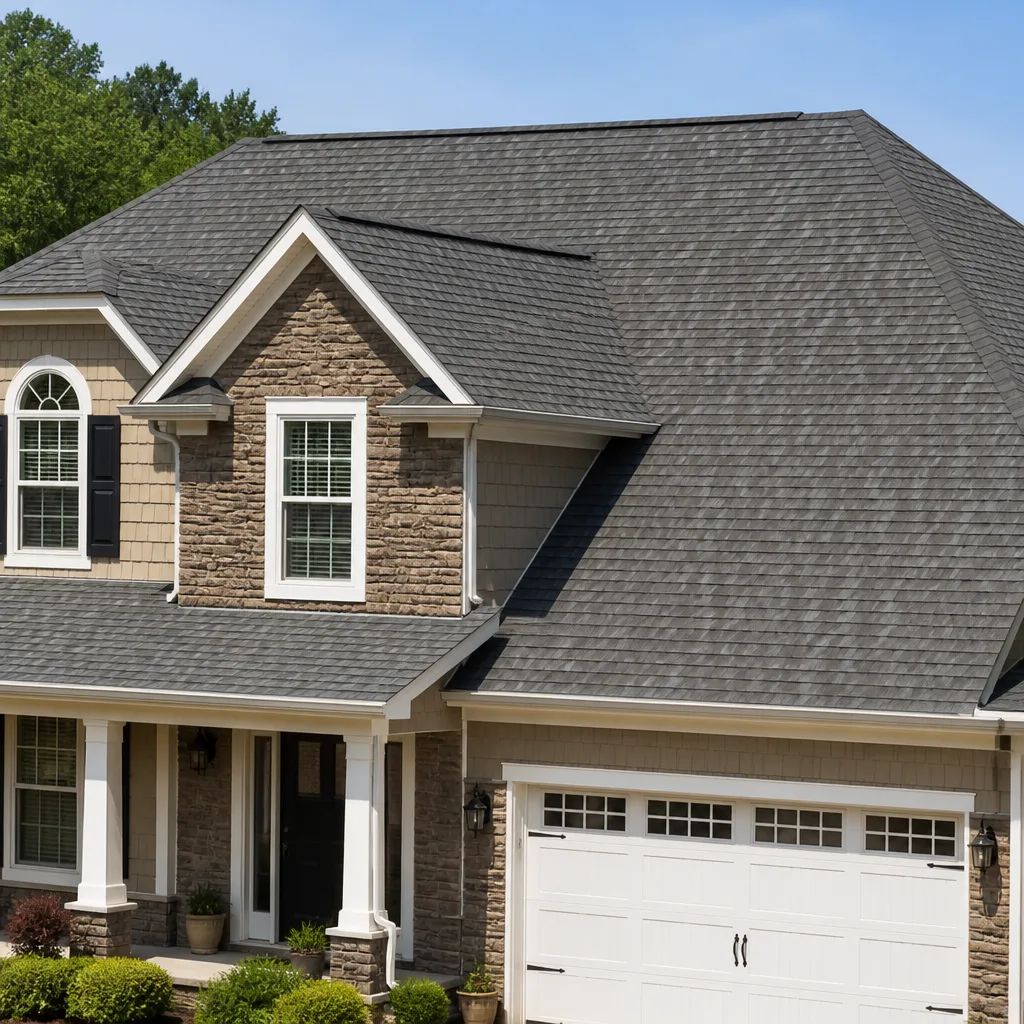 Architectural shingles
 Tile roofing
 GAF
 Owens Corning
 Flat & low-slope
Free roof inspection with deck photos before we talk money - GAF and Owens Corning certified installation
Roofing Permits, Codes & Inspections in CA: What You Need to Know
Here’s something most California homeowners don’t discover until it’s too late: a roof can be installed perfectly, pass every visual check, and still be legally worthless the day you try to sell your house. An Orange County homeowner learned this the hard way when a $14,000 roof replacement was flagged during escrow. The contractor had never pulled a permit. The buyer’s lender demanded a full re-inspection, the closing slipped by three weeks, and the deal nearly collapsed over a document that would have cost a few hundred dollars to obtain. That’s the reality of roofing in California. In Aliso Viejo and every other city in the state, the paper trail matters as much as the shingles.
This guide explains the permit process, the building codes that shape Southern California roofs, what inspections actually check, and how to avoid inheriting someone else’s unpermitted mess. For more guides & resources, see our blog.
Styles & brands we work with
Quick Answer
Most roof replacements and structural repairs in California require a building permit from your local jurisdiction. The permit ensures the work meets state building codes and local amendments. Hiring a licensed contractor who pulls the permit protects you during resale, insurance claims, and refinancing. In Aliso Viejo, the building department issues roofing permits through a defined review process with inspections at key stages.
Table of Contents
- When Is a Roofing Permit Required in California?
- Title 24 and Cool Roof Rules for Southern California
- The Aliso Viejo Permit Process: Timeline, Cost, and Inspections
- What Happens When Roofing Work Goes Unpermitted
- Owner-Builder Rules: What You Can Legally Do Yourself
- California Roofing Codes That Affect Your Project
- Permits, Resale, and Insurance: The Hidden Connection
- Common Mistakes to Avoid
- When to Call a Professional
- Frequently Asked Questions
- The Bottom Line
When Is a Roofing Permit Required in California?
The line between a permit and no permit isn’t as simple as “full replacement versus repair.” The California Building Code (CBC), adopted statewide with local amendments, requires a permit for any roofing work that alters the structural assembly or changes the roof covering material type. What that means in practice: replacing a comparable material, like asphalt shingles over asphalt shingles, is still a permit-triggering activity in most cities. Patching a small section, replacing a few damaged shingles, or sealing a minor leak generally falls under maintenance and doesn’t require a permit.
Here’s a practical breakdown of what typically triggers a permit requirement in California:
- Full roof replacement, regardless of material type, almost always requires a permit.
- Changing the roof covering material, such as going from wood shake to asphalt shingles or from shingles to tile, requires a permit because the change affects structural load and fire rating.
- Adding a second layer of shingles over an existing layer triggers a permit in most jurisdictions, and California code limits how many layers are allowed based on the roof’s slope and the building’s location.
- Structural repairs, including replacing damaged sheathing or rafters, require a permit because they affect the building’s structural integrity.
- Replacing underlayment during a re-roof typically requires a permit since the underlayment is part of the roof assembly’s performance under fire and weather exposure.
What generally doesn’t require a permit:
- Replacing a handful of damaged or missing shingles in an isolated area.
- Sealing a small leak around a pipe boot or flashing using approved methods.
- Cleaning gutters, removing debris, or performing annual roof maintenance.
- Replacing a single piece of flashing without disturbing the surrounding roof assembly.
The tricky part is that “small repair” is a judgment call, and different cities draw that line in different places. In Aliso Viejo, the building department’s stance is consistent with most of Orange County: if the repair involves more than about 10% of a roof plane, or if any sheathing comes off, treat it as a permit-triggering project. Our team at Captain Roof Repair home always verifies the current requirement with the city before recommending a repair path, because the consequences of guessing wrong land on the homeowner, not the contractor.
One more thing worth knowing: some HOAs in Orange County impose notification requirements on top of city permits. If your home in Aliso Viejo is in a community with an architectural review committee, you may need that approval before the city will even accept your permit application. We’ve seen projects stall for weeks because the HOA piece wasn’t addressed first.
Title 24 and Cool Roof Rules for Southern California
California’s Title 24 energy standards are stricter than almost anywhere else in the country, and roofing is directly in their crosshairs. The state wants roofs that reflect sunlight rather than absorb it, which reduces air conditioning loads and helps the grid survive summer heat waves. That’s where “cool roof” requirements come in.
For residential re-roofing projects in Southern California, including Aliso Viejo, Title 24 requires the new roof covering to meet a minimum solar reflectance and thermal emittance rating unless an exception applies. The current standard for low-slope roofs is a minimum aged solar reflectance of 0.63 and thermal emittance of 0.75. For steep-slope roofs, the requirements shift based on the product type and the climate zone.
What this means in practice for your roof:
- Many standard asphalt shingle products from major manufacturers meet Title 24 requirements out of the box because the manufacturers have reformulated their granules to be more reflective. Products from Owens Corning and Atlas include lines that score well on the Cool Roof Rating Council (CRRC) index.
- Darker shingle colors sometimes fall below the required reflectance threshold, especially in the deep charcoal and black ranges. If a homeowner has their heart set on a specific dark color, we may need to add a radiant barrier or select a CRRC-listed product in that color that meets the standard.
- Clay and concrete tile roofs generally perform very well on the reflectance scale and rarely trigger Title 24 friction.
- Wood shake is a non-starter in most fire-prone zones, which covers nearly all of Southern California’s wildland-urban interface areas, including parts of Aliso Viejo’s hillside communities.
The building department in Aliso Viejo enforces Title 24 as part of the permit review. If your product choice doesn’t meet the reflectance requirement, the permit gets flagged, and you’ll either need to switch products or document an exception. That’s one reason we recommend checking the CRRC rating of any product before you fall in love with it. We work with seven roofing brands, including IKO and Tamko, so when a specific color or style runs into a Title 24 conflict, we can usually find a compliant match from another manufacturer without compromising the look. For help selecting materials, see Choosing the Right Roofing Brand: A Buyer’s Guide for Aliso Viejo.
The bottom line on Title 24: it’s not optional, it’s not a suggestion, and it’s enforced at the local level in Aliso Viejo. A good roofing contractor will bring it up before you spend money on materials, not after the permit gets rejected.
The Aliso Viejo Permit Process: Timeline, Cost, and Inspections
Aliso Viejo processes building permits through the city’s Building and Safety Division. For a typical residential re-roof, here’s what the process looks like from start to finish:
- Prepare the submittal package. This includes a completed permit application, a roof plan showing the existing and proposed materials, product specifications (including CRRC ratings for Title 24 compliance), and, if applicable, HOA approval documentation.
- Submit to the city. Aliso Viejo accepts permit applications online through the city’s permitting portal. Same-day plan review is sometimes available for straightforward re-roofs, but you should budget for a five to ten business day turnaround for anything more complex.
- Pay the permit fee. Roofing permit fees in Aliso Viejo typically run between $200 and $600 depending on the project’s valuation and square footage. That’s a small fraction of the total project cost, and it buys the inspection record that protects you later.
- Begin work after permit issuance. The permit card must be posted on the job site. Work can only proceed after the city stamps the plans approved.
- Pass the required inspections. A typical re-roof requires at least two inspections: a mid-roof inspection (also called a “dry-in” inspection) to verify underlayment, flashing, and nailing patterns before the covering goes on, and a final inspection once the roof is complete to verify the finished product, ventilation, and Title 24 compliance.
- Close the permit. The city signs off, the permit is finalized, and the project is officially on the record as permitted and inspected.
What the inspector actually checks in Aliso Viejo: nailing patterns and fastener penetration, underlayment lap and coverage, flashing details at penetrations and valleys, attic ventilation ratios, eave protection, and the installed covering’s match to the approved product specs. If the inspector finds a deficiency, the contractor corrects it and schedules a re-inspection.
If this sounds like a lot of administrative overhead, it is, and it’s also exactly what you’re paying a licensed contractor to manage. Our Roof Replacement in Aliso Viejo process includes all permit paperwork and inspection scheduling so the homeowner doesn’t have to navigate city hall on top of everything else.
What Happens When Roofing Work Goes Unpermitted
Unpermitted roofing work isn’t a “don’t ask, don’t tell” situation. It sits on your property records as a gap in the building history, and that gap becomes visible the moment anyone does due diligence: a buyer’s agent pull, an appraiser’s inspection, a lender’s document review, or an insurance adjuster’s claim investigation. Here’s how it plays out in each scenario:
Resale. When you list your home, California’s disclosure requirements ask whether any work was done without permits. Answering honestly creates negotiation leverage for the buyer. Answering dishonestly creates legal exposure. Buyers and their agents routinely pull permit histories from the city before making an offer. An unpermitted roof becomes a price reduction tool or a deal-breaker.
Insurance claims. If your roof fails and the damage claim reveals unpermitted work, the insurer may deny coverage for the roof portion of the claim. They don’t need to prove the work caused the failure; they only need to show the policyholder made unpermitted alterations that affect the insurable risk.
Refinancing. Lenders don’t always pull permit histories on a refi, but when they do, certain loan types (especially any government-backed program) can hit a wall. An unpermitted roof can force a repair escrow or kill the deal entirely.
We’ve seen the escrow scenario in Orange County play out more than once. A buyer’s inspector flags a newer-looking roof. The buyer’s agent pulls the city records. No permit. Suddenly the transaction stalls. The seller then has two choices: retroactively permit the roof (which often means opening walls or ceilings to expose framing for inspection) or concede a price reduction. Neither is a good outcome.
The fix on the front end is simple: hire a contractor who pulls permits as standard practice. We don’t offer unpermitted roofing work, period. The risk transfer to the homeowner is too severe, and the legal exposure isn’t worth the few hundred dollars saved.
Owner-Builder Rules: What You Can Legally Do Yourself
California allows homeowners to act as their own contractor under the “owner-builder” exemption, but the rules are specific, and the stakes are higher than most people realize. Here’s what the exemption actually covers:
- A homeowner can pull a building permit for work on their own primary residence without holding a contractor’s license.
- The homeowner must actually perform the work or directly supervise hired labor. The exemption doesn’t cover hiring an unlicensed contractor to do the work while the homeowner just lends their name to the permit.
- The homeowner assumes legal liability for the work, including future owner-occupied requirements: if you sell the home within one year of completing owner-builder work, you must either disclose that fact and obtain a special inspection report or face restrictions on the sale.
- Some cities, including many in Orange County, require owner-builders to sign an affidavit confirming they are doing the work themselves or directly managing the labor.
What we see in practice: the owner-builder route makes financial sense for a very small number of highly skilled homeowners. For everyone else, it’s a risk with a tiny upside. Roofing work involves height, safety anchoring, nail gun handling, and materials that weigh hundreds of pounds. It’s not a weekend project. And the liability transfer of a permit held in your name means that if the work fails, you own the failure personally.
California Roofing Codes That Affect Your Project
Beyond Title 24, several other code provisions shape residential roofing in Aliso Viejo and across California. These are the ones we reference on nearly every project:
Fire-rated roof coverings. California building codes require Class A roof coverings in most areas, especially those mapped as Fire Hazard Severity Zones or wildland-urban interface zones. Aliso Viejo’s hillside neighborhoods fall within these designations. Class A is the highest fire rating and is standard for most asphalt shingle systems, concrete tile, and metal roofing.
Re-roofing layer limits. California code limits roof assemblies to two layers of roofing in most residential applications. If your roof already has two layers, the next project involves a tear-off down to the decking. Some jurisdictions, including parts of Orange County, tighten that to a single layer for new installations.
Fastener and underlayment requirements. The code specifies the minimum fastener length, corrosion resistance, and nailing pattern based on wind exposure and slope. In Southern California’s Santa Ana wind conditions, these requirements are more than technicalities. Under-fastened shingles are exactly what we find after wind damage events.
Ventilation. Attic ventilation ratios are set by the code and tied to the building’s climate zone. A roof replacement is often the right moment to correct under-ventilated attics, which affect both energy performance and shingle lifespan.
The specifics of these codes change slowly, but they do change. The 2022 California Building Code cycle brought updated energy provisions and fire-resistance refinements. A roofing contractor running on outdated code knowledge will pass the work along to you in the form of failed inspections or code-noncompliant installations. When we inspect roofs in Roof Inspection in Aliso Viejo, we’re checking against the current code cycle, not the one from five years ago.
Permits, Resale, and Insurance: The Hidden Connection
Think of your roof as having two components: the physical roof and the paper roof. The physical roof keeps water out. The paper roof keeps lawsuits, denied claims, and stalled sales away. Both matter.
The connection points:
- Disclosure forms. California’s Transfer Disclosure Statement and the Seller Property Questionnaire both include questions about unpermitted work. You either disclose truthfully or you take on legal risk. Those are the only two options.
- Home inspection reports. Buyers’ inspectors increasingly cross-reference the visual condition of the roof against the city’s permit records. A roof that looks two years old but has no permit record raises questions that get asked in writing.
- Insurance underwriting. Carriers in California are tightening underwriting standards across the board. Some now ask about permit history as part of the application process. A roof with no permit trail complicates your answer.
- Refinancing and HELOCs. Lenders that require property condition reports or drive-by appraisals may flag a roof that appears newer than the permit record suggests. The fix at that point is expensive and slow.
The protection strategy is straightforward: every significant roofing project gets a permit, every permit gets closed with a final inspection, and every inspection record is retained with your home documents. When we complete a roof replacement in Aliso Viejo, we provide the homeowner with all permit closeout paperwork at job completion.
Common Mistakes to Avoid
- Skipping the permit to save a few hundred dollars. The savings vanish the first time the unpermitted work surfaces in a real estate transaction, and you’ll pay for the permit, the penalty, and the re-inspection to fix it.
- Assuming a handyman roofing job is “just a repair.” The line between maintenance and permit-triggering work is blurry, and a handyman who doesn’t know the code doesn’t get to decide which side of the line your project falls on. In Aliso Viejo, the building department gets that call.
- Choosing a roof color before checking Title 24 reflectance. Dark asphalt shingles look sharp but may fail the cool roof requirements. Verify the CRRC rating before you commit.
- Ignoring the HOA approval step. Some Aliso Viejo communities require architectural committee sign-off before the city will process a roofing permit. Starting the city paperwork first can stall the project by weeks.
- Buying a house without pulling the roof permit history. Sellers in Orange County are disclosing more than ever, but relying on disclosure alone is a gamble. Pull the records yourself before you close.
- Hiring a contractor who asks you to pull the permit as owner-builder. That request often signals an unlicensed operator trying to sidestep the system, and it transfers all liability to you.
- Waiting until the roof fails to address it. The permit and inspection process takes time. If your roof is failing, the worst time to start the paperwork is the day it starts leaking into the living room.
When to Call a Professional
If your roof is leaking, showing Roofing Warning Signs: A Aliso Viejo Homeowner’s Reference Guide like granule loss, curling shingles, or soft decking, or if it’s past the twenty-year mark, the right move is a professional assessment before a small problem becomes a structural one. Same thing if you’re buying or selling a home and need to understand what the roof’s paper trail looks like. Captain Roof Repair offers free estimates in Aliso Viejo, and we’ll tell you exactly what your roof needs and why. Call (844) 717-4930.
For Roof Repair in Aliso Viejo, we assess the damage, pull the permit if the scope requires one, and complete the work with all inspection records in hand.
Frequently Asked Questions
Roofing permit fees in Aliso Viejo typically range from $200 to $600 depending on project valuation and square footage. The permit fee is separate from the roof installation cost and is paid to the city, not the contractor. Call (844) 717-4930 for an exact quote on your project, including current city fees.
No, replacing a handful of damaged or missing shingles in an isolated area is considered routine maintenance and does not require a permit in most California jurisdictions. If the repair area exceeds roughly 10% of a roof plane or involves removing sheathing, the project likely crosses into permit territory. When in doubt, the Aliso Viejo building department can clarify.
You’ll need to disclose the unpermitted work on the Transfer Disclosure Statement, and the buyer may demand a retroactive permit, a price reduction, or both. A retroactive permit typically requires exposing the roof assembly for inspection, which adds cost and delays the sale. The cleanest path is to pull the permit correctly the first time.
Yes, under the owner-builder exemption, a homeowner can pull a permit for work on their own primary residence without holding a contractor’s license. The homeowner must actually perform the work or directly supervise the labor, and they assume full legal liability for the outcome. Selling within one year of owner-builder work triggers additional disclosure and inspection requirements.
No, not all materials meet the reflectance and emittance standards, especially darker color options. The Cool Roof Rating Council maintains a public database of tested products, and the Aliso Viejo building department verifies compliance during permit review. Working with a contractor who carries multiple brands, including Owens Corning and Atlas, gives you more compliant options in more colors.
A straightforward residential re-roof permit in Aliso Viejo is often issued within five to ten business days. Complex projects or those requiring HOA approval first may take longer. The full timeline from permit application to final inspection depends on the project scope and the city’s inspection schedule.
The Bottom Line
California’s roofing permit and code requirements exist to protect homeowners, not to complicate their lives. The system demands that roofing work meet structural, fire, and energy standards, and it creates a paper record that follows the home through every future sale, claim, and refinance. Skipping the permit saves a trivial amount of money and creates a liability that compounds over time. Hiring a licensed contractor who pulls permits, schedules inspections, and closes out the paperwork is the simplest way to ensure your roof is legal, insurable, and saleable. In Aliso Viejo, that’s the standard we work to on every project, from the first inspection to the final shingle.
Written by the team at Captain Roof Repair, serving Aliso Viejo since 2017.
See the difference
 Before
 After
 Before
 After
 Before
 After