Last updated October 31, 2026
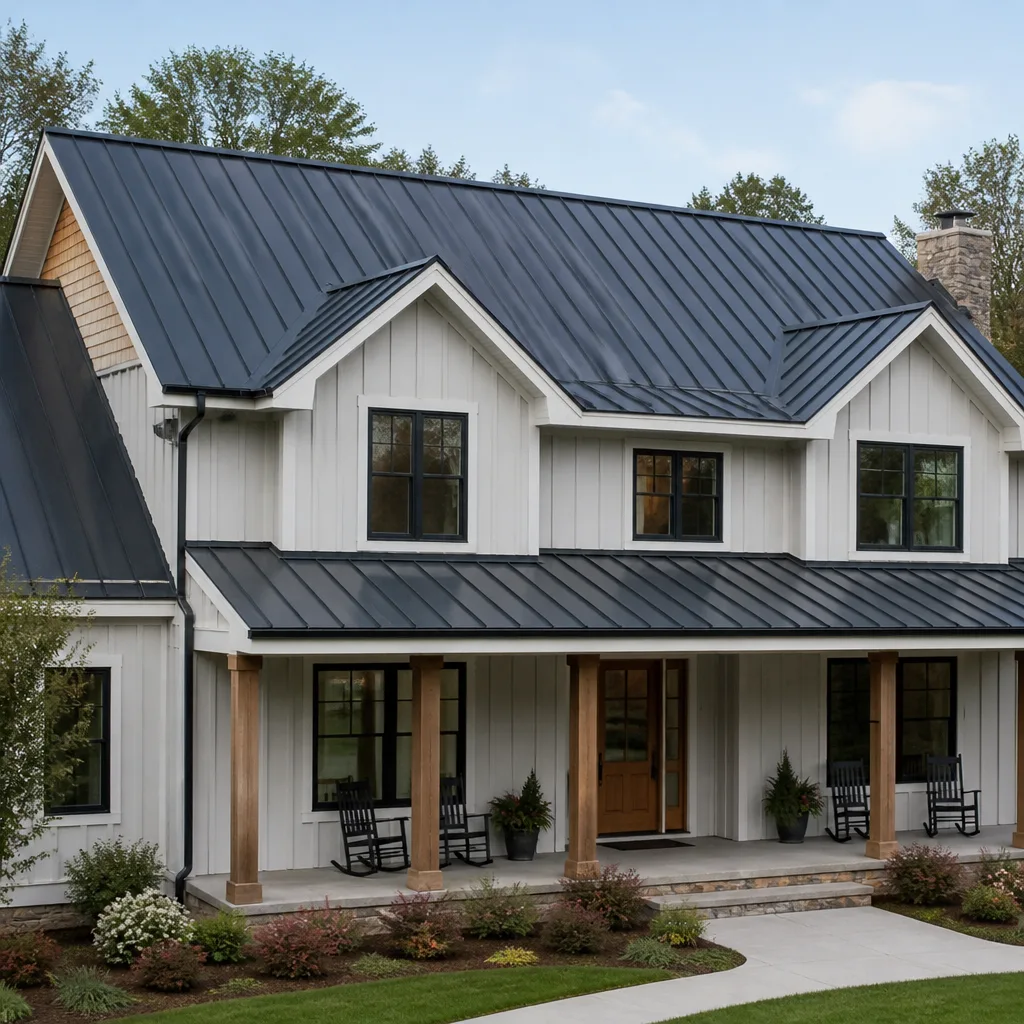 Metal roofing
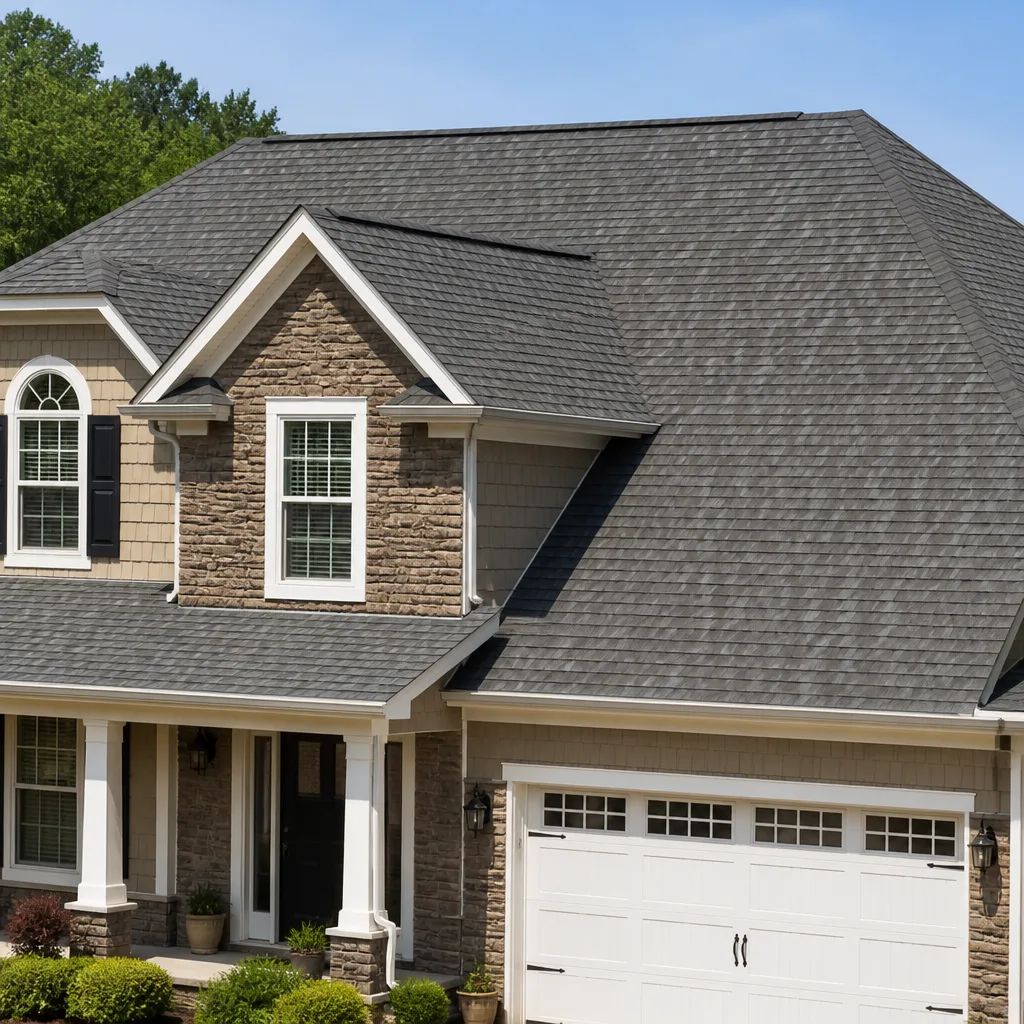 Architectural shingles
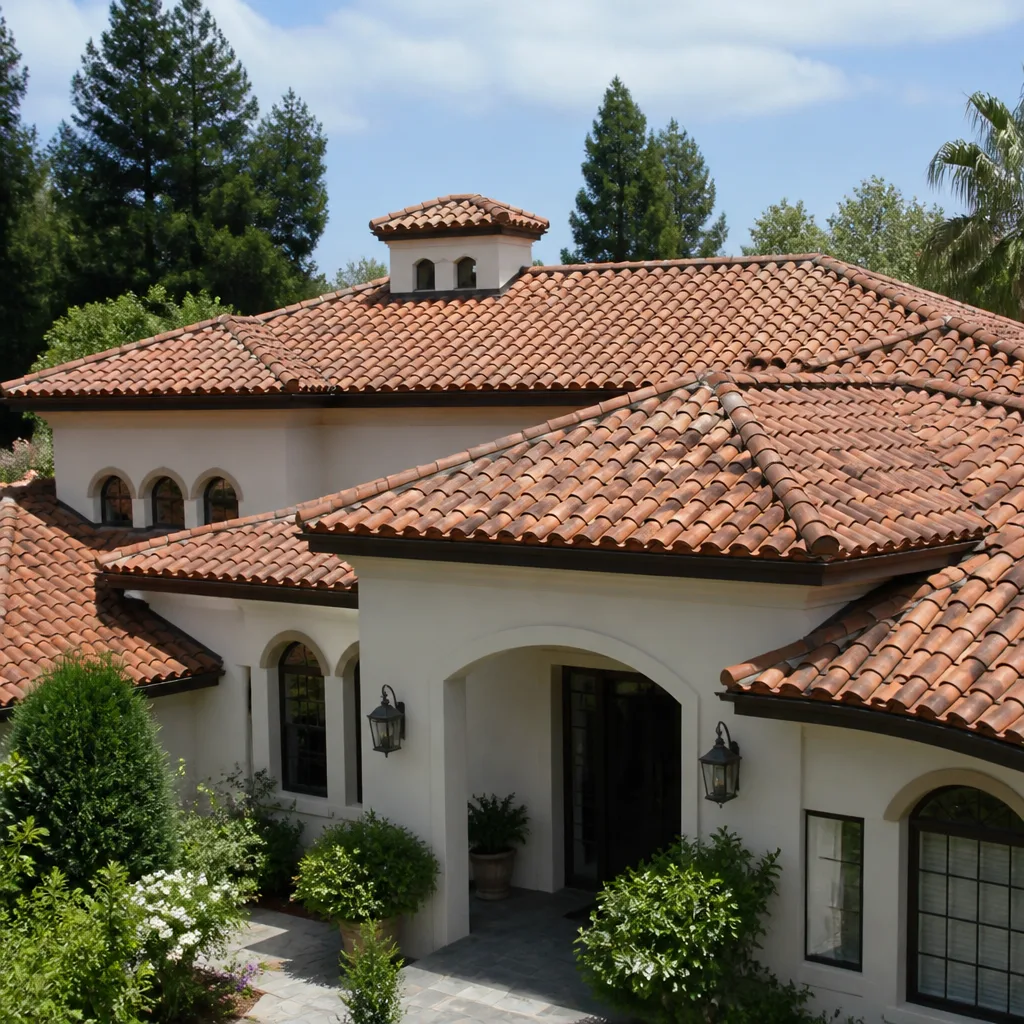 Tile roofing
 GAF
 Owens Corning
 Flat & low-slope
Free roof inspection with deck photos before we talk money - GAF and Owens Corning certified installation
DIY vs Professional Roofing: The Aliso Viejo Homeowner’s Decision Guide
Here’s a scenario we see unfold in Aliso Viejo every year: a homeowner notices three cracked concrete roof tiles after a Santa Ana wind event, climbs up with a tube of sealant, “fixes” the problem in an afternoon, and saves what looks like four hundred bucks. Then the next rain comes. The repair fails. Water finds the underlayment. And when they file a claim, the manufacturer denies the warranty because the repair wasn’t performed by a licensed contractor. The forty-five minutes they saved just became a fourteen-thousand-dollar roof replacement they’re paying for out of pocket. This guide exists to help you avoid that exact scenario. We’re going to walk you through what Aliso Viejo homeowners can actually do themselves, what California law and your HOA require, and where the real costs hide. By the end, you’ll know exactly which jobs belong on your ladder and which ones belong on someone else’s insurance policy.
Quick Answer
For most Aliso Viejo homeowners, the right answer is a split decision: gutter cleaning, visual inspections, and minor cosmetic touch-ups are reasonable DIY territory, while anything touching structural components, underlayment, flashing, or field tiles should go to a licensed professional. The deciding factors aren’t just skill and safety. They’re warranty preservation, HOA approval requirements, and California contractor law. In our experience, roughly 7 out of 10 DIY roofing repairs we get called to correct would have been cheaper if handled professionally from the start.
Styles & brands we work with
Table of Contents
- What Aliso Viejo HOAs Actually Allow
- California Law: Where the Line Is
- Warranty Clauses That DIY Work Destroys
- The Tile Question: Why Aliso Viejo Is Different
- The Real Cost of DIY Roofing
- Jobs You Can Safely Do Yourself
- Jobs That Need a Licensed Contractor
- How to Check Your Warranty Before You Touch Anything
What Aliso Viejo HOAs Actually Allow
Aliso Viejo has one of the highest HOA concentrations in Orange County. If you live in Glenwood, Westridge, or Vista del Valle, you have a set of CC&Rs that govern what you can and cannot do to your roof. And here’s what most homeowners don’t realize until it’s too late: your HOA doesn’t care whether you’re doing the work yourself or hiring a contractor. They care about the result.
That means a DIY tile replacement that changes the visual appearance of your roofline, even slightly, can trigger an architectural review. The same goes for changing shingle color, adding roof-mounted equipment, or swapping a flat tile profile for a barrel profile. DIY does not exempt you from approval. It just means you’re the one standing in front of the HOA board explaining why you didn’t file the paperwork.
The typical Aliso Viejo association requires the following for any roof work beyond emergency patching:
- Architectural review application for any change to material type, color, or profile, even if you’re matching what’s already there in some communities.
- Written notice at least 10 to 30 days before work begins, depending on your association’s governing documents.
- Proof of insurance and licensing from any contractor performing the work. This is where DIY projects hit a wall. You can’t provide a contractor’s license number for yourself.
- Final inspection sign-off from the association or their designated building inspector for full replacements.
Some Aliso Viejo communities have a pre-approved materials list. If your roof uses a discontinued tile profile and you need replacements, the HOA approval process can take weeks. That’s a practical argument against waiting until a leak is active to start figuring out your options. We’ve walked homeowners through HOA submittals dozens of times, and the ones who have the easiest time are the ones who start the conversation before the roof starts leaking.
California Law: Where the Line Is
California Business and Professions Code Section 7026 is blunt: any construction project valued at $500 or more in combined labor and materials requires a contractor’s license. That’s the legal threshold. And here’s the catch that surprises Aliso Viejo homeowners: the $500 figure includes your own labor, calculated at fair market value, not at zero because you’re doing it yourself.
Let’s make this concrete. You decide to replace a 10-foot section of damaged roof decking and feather in new underlayment before reapplying tiles. The materials might run you $180. But the value of the labor, if a licensed roofer were doing it, pushes the total project value well past $500. Under a strict reading of California law, you’re now performing unlicensed contracting work on your own home. The State Contractors License Board rarely pursues individual homeowners for DIY work on their primary residence, but the rule matters for two reasons:
- Insurance companies use it. If your DIY repair fails and water damages the interior, your homeowners insurer can cite the unlicensed work as grounds to deny or reduce the claim. We’ve seen this happen with a homeowner in Westridge who self-repaired a flashing detail around a chimney. The failed repair led to $11,000 in ceiling and drywall damage, and the insurer covered only half, citing the unlicensed repair as a contributing factor.
- It affects resale disclosure. When you sell an Aliso Viejo home, the disclosure forms ask whether any work was performed without permits or licensed contractors. A yes answer, or a failure to disclose, creates real liability. Buyers in this market are sophisticated. They ask.
For smaller jobs under the threshold, like replacing a single broken tile with a matching piece and no structural interaction, California law leaves room for homeowner work. But the tile systems in Aliso Viejo complicate even that, which we’ll get to below.
Warranty Clauses That DIY Work Destroys
Every major roofing manufacturer writes an exclusion into their warranty that covers work performed by unlicensed or non-certified individuals. The language varies by brand, but the effect is the same. Here’s what the current warranties from the brands we work with say, in plain English:
- GAF: Requires installation by a GAF-certified contractor for their Golden Pledge and System Plus warranties. Any repair or modification to the field roof by a non-certified party voids coverage on the affected area, and in some cases the entire system.
- CertainTeed: Their SureStart and SureStart Plus warranties require a CertainTeed credentialed professional for installation and any subsequent repair work. DIY repairs are explicitly listed as exclusions in their warranty documentation.
- Tamko: Their Proline and Heritage warranties are void if the roof is altered, repaired, or modified by anyone other than a licensed contractor. Tamko’s language is among the strictest on this point.
- Boral: For concrete and clay tile systems, Boral’s warranty requires installation and repair by a licensed roofing contractor. Boral tile roofs are common throughout Aliso Viejo, and their warranty team actively investigates claims on modified tile fields.
The pattern is consistent: manufacturers don’t object to DIY work because they don’t trust you. They object because they can’t verify the work. A warranty is a risk calculation, and unverified repairs introduce risk the manufacturer won’t underwrite.
The practical takeaway: if your Aliso Viejo roof is under 10 years old, there’s a strong chance you’re still inside a manufacturer warranty window. Before you pick up a caulk gun or pull a tile, check what that warranty says about repair work. We’ve had homeowners tell us they didn’t realize they had 18 years left on a transferable CertainTeed warranty until they called us for an unrelated issue. That’s a $9,000 asset that one afternoon of DIY can erase.
The Tile Question: Why Aliso Viejo Is Different
Aliso Viejo was built predominantly in the 1980s and 1990s, and the developers leaned hard into concrete and clay tile roofs. Walk through Glenwood, Silverado, or Aliso Creek and count the shingle roofs. You’ll run out of fingers fast. Tile dominates because it fits the Spanish and Mediterranean architectural styles that define the city. And tile changes the DIY calculus completely.
Here’s what tile work actually requires:
- Matching tile availability. Tile profiles and color runs change over decades. The tile on your 1994 roof is not sitting on a shelf at the local supply house. Finding a visual match often means salvage yards, specialty suppliers, or custom mixing. A homeowner with a broken tile and a phone usually spends two weeks finding a match that’s still not right.
- Tile-specific fastening systems. Aliso Viejo’s roof pitches, combined with Santa Ana wind exposure, mean tiles should be mechanically fastened at the eaves, hips, and ridges per current California Building Code. Screw guns, tile gauges, and fastener schedules aren’t homeowner tools. We’ve corrected DIY tile replacements where tiles were set without proper fastening, and the first strong wind relocated them to a neighbor’s driveway.
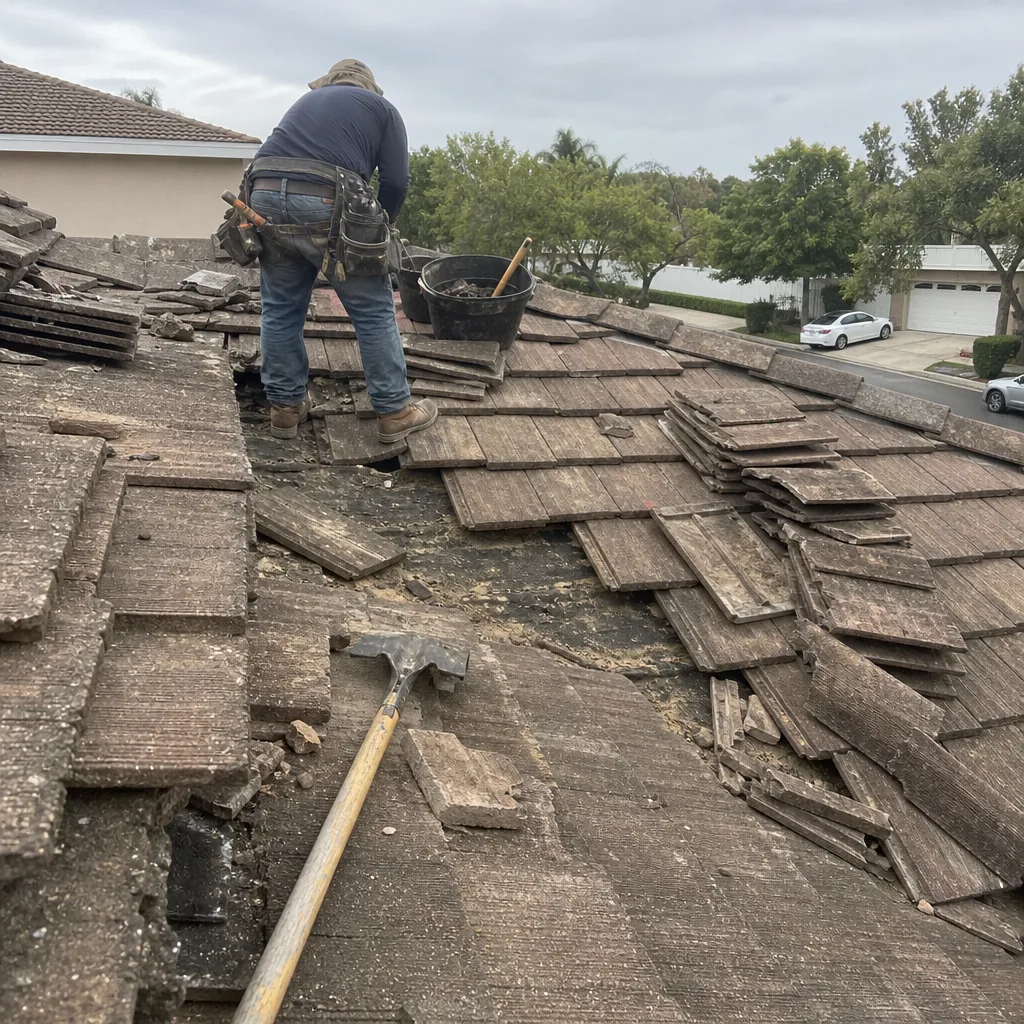
- Underlayment interaction. A tile roof is only as good as what’s underneath it. When a tile cracks, the underlayment below may already be compromised. Replacing the tile without addressing the underlayment is putting a bandage on a wet bandage. Professional repair typically requires lifting a field of tiles, inspecting the underlayment, and replacing the affected section before resetting the tiles. That’s not a one-person job.
- Walking the roof correctly. Clay and concrete tiles break under concentrated weight if you step in the wrong places. Professional roofers use foam pads, roofer’s ladders, and specific foot placement to distribute weight. A homeowner walking their roof the way they’d walk a shingle roof will crack more tiles than they came up to fix.
This is the part of the DIY debate that generic roofing articles miss. In a shingle-heavy city, some repairs are more accessible to a careful homeowner. In Aliso Viejo, the dominant roof system is one that punishes amateur work and hides damage underneath.
The Real Cost of DIY Roofing
The DIY pitch is always the same: “The roofer quoted me $800, and I can do it for $60 in materials.” The math is attractive. It’s also incomplete. Here’s what actually goes into a DIY roof repair in Aliso Viejo when you account for everything:
- Tool rental and purchase. A proper roofing nailer rents for $45 to $80 a day. A tile cutter suitable for concrete tile is another $60 to $100. Safety harness and fall protection gear, if you buy rather than rent, runs $150 to $400 for a basic setup. If you cheap out on harness equipment, you’re making a decision with your life that no savings justifies.
- Material minimums. Roofing suppliers sell in bundles and cases. The $60 estimate assumes you can buy exactly three tiles and a partial tube of sealant. In practice, you’re buying a full case of tiles and a full coil of flashing. The material cost lands closer to $200 to $400.
- Mistake correction. The cost of doing it wrong includes redoing it right. We’ve corrected DIY work where the homeowner spent $300 on materials, two weekends of labor, and then $1,200 on us to undo and redo the work. The DIY project didn’t save $740. It added $500 to the bill.
- Insurance exposure. If you fall off your roof, your health insurance covers your injuries. But if your DIY repair causes a leak that damages the interior, your homeowners policy may fight the claim. Homeowners who perform their own work assume liability a licensed contractor’s insurance would carry.
- Time and uncertainty. A professional roofing crew completes a tile repair in 4 to 6 hours. A homeowner tackling the same job for the first time is looking at a full weekend, multiple trips to the supplier, and a lingering question about whether it’s actually fixed. Time has value. So does a dry ceiling.
Let’s be honest about the other side, too. There are legitimate savings in the DIY path for small, contained jobs. A homeowner who cleans their gutters twice a year saves $150 to $300 per cleaning. A homeowner who does visual inspections after storms can catch problems early. The savings are real for the right jobs. They just aren’t real for the jobs most homeowners attempt.
Jobs You Can Safely Do Yourself
We’ll be direct: there are things an Aliso Viejo homeowner should absolutely do themselves. These tasks don’t require specialized training, don’t touch structural components, and don’t affect warranty coverage. Here’s what belongs on your own list:
- Gutter cleaning and downspout flushing. Aliso Viejo’s eucalyptus and pepper trees drop debris year-round, and blocked gutters are a leading cause of water backup at roof edges. You need a ladder, gloves, a garden hose, and about 90 minutes. Do this twice a year, especially after the fall leaf drop.
- Visual inspection from the ground. Use binoculars. Look for missing or cracked tiles, lifted shingle tabs, damaged flashing, and visible sagging. Document what you find with photos. You’re not fixing anything; you’re building a record. This is the inspection you do between professional inspections.
- Minor sealant touch-up. Around non-structural penetrations like small vent stacks or exposed nail heads, a small tube of roofing-grade sealant can be a legitimate stopgap. The key word is stopgap. If the sealant is holding back active water and you’re not addressing the root cause, you’re buying time, not fixing a roof.
- Edge and valley debris removal. Leaves and branches that pile up in valley lines and along roof edges can be removed from a ladder with a soft brush. Do not stand on the roof to do this. Use a ladder and reach what you can from a stable position.
- Attic inspection after storms. After significant rain, go into your attic with a flashlight during daylight hours and look for light penetration, water staining, or damp insulation. This is where leaks announce themselves first. Catch them here and you catch them cheap.
These five tasks cover 90% of what a homeowner should reasonably do themselves. They’re ground-based or ladder-based, they require no structural disassembly, and they don’t void anything. Everything beyond this list starts interacting with the envelope of your home in ways that carry mechanical and financial risk.
Jobs That Need a Licensed Contractor
The line between DIY and professional work isn’t about skill, and it’s not about pride. It’s about physics, building science, and contract law. Here are the jobs where we will always tell an Aliso Viejo homeowner to call a licensed roofer:
- Flashing repair or replacement around chimneys, skylights, walls, or valleys. Flashing is the most common source of roof leaks, and it’s also the most technique-sensitive component to install correctly. Wrong flashing = guaranteed leak. We’ve seen DIY flashing repairs fail within a single rain season.
- Underlayment repair or replacement. Underlayment is the waterproofing layer beneath your tiles or shingles. Accessing it means removing the roof covering, and installing it correctly means knowing the right lapping sequence and fastening pattern for your specific system. This is not a weekend project.
- Field tile or shingle replacement beyond a single isolated piece. California Building Code sections on roofing apply to repairs as well as full installations. When you replace multiple tiles or shingles, you’re technically performing roof installation work, which triggers the $500 contractor license threshold and the attendant permit questions.
- Any structural repair involving roof decking, rafters, or trusses. Structural work always requires permits. Always. And the building departments in Aliso Viejo, which pull permits through Orange County or the City depending on the project, will not issue a permit to an unlicensed homeowner for structural roof work.
- Skylight replacement or new penetration installation. Any time you’re cutting a hole in a roof or replacing the hardware around one, you’re touching the envelope. Skylight installs are a common source of homeowner insurance claims when they leak, and manufacturers like Velux have their own installation requirements that affect warranty coverage.
- Full roof replacement. This should go without saying, but we’ll say it anyway. A roof replacement is a permitted, licensed, inspected project. No homeowner is replacing their own roof in Aliso Viejo legally, even if they own a roofing nailer and a winning attitude.
The common thread here is consequence. Cosmetic issues fail visibly and slowly. Structural and waterproofing issues fail invisibly and expensively. The jobs that need a licensed contractor are the jobs where the cost of failure is measured in thousands of dollars and possibly structural damage to your home.
How to Check Your Warranty Before You Touch Anything
Before you do any roof work yourself, know what you’re potentially giving up. Here’s the step-by-step process we recommend for every Aliso Viejo homeowner considering a DIY repair:
- Find your closing documents. If you bought your home within the last 15 years, your roof warranty may have transferred with the sale. Look for the roof-related paperwork in your closing binder. The warranty is a legal document, and it travels with the property in many cases.
- Identify the manufacturer and product. Look for a brand name on the paperwork. If you can’t find it, check for a faded label or stamp on the roof materials themselves. Shingles and tiles often have identifying marks on the underside, which is accessible if you have a loose piece. Otherwise, a Roof Inspection in Aliso Viejo can identify the system for you.
- Read the exclusions section. Every roofing warranty has exclusions. Find the section on modifications, alterations, and repair work. This is where the licensed-contractor requirement lives. If you can’t find it, call the manufacturer’s warranty department and ask directly: “Does a repair by a non-licensed homeowner affect my coverage?” The phone call takes 10 minutes and could protect five figures of asset value.
- Document your roof’s current condition. Take dated photos of the area you’re considering working on. If you proceed with a DIY repair and later need to file a claim, you want a record of what the roof looked like before you touched it.
- Make the call based on facts, not instinct. If the warranty requires licensed repair, the DIY project isn’t saving you money. It’s trading a protected asset for an unprotected one. The smarter move is a Roof Repair in Aliso Viejo from a licensed contractor who can perform the work without disturbing your coverage.
Think of it this way: the warranty is an asset you already own. It has real value, measured in the cost of a future roof replacement. You wouldn’t burn a savings bond to light a birthday candle. Don’t trade a roof warranty for an afternoon of DIY satisfaction.
See the difference
 Before
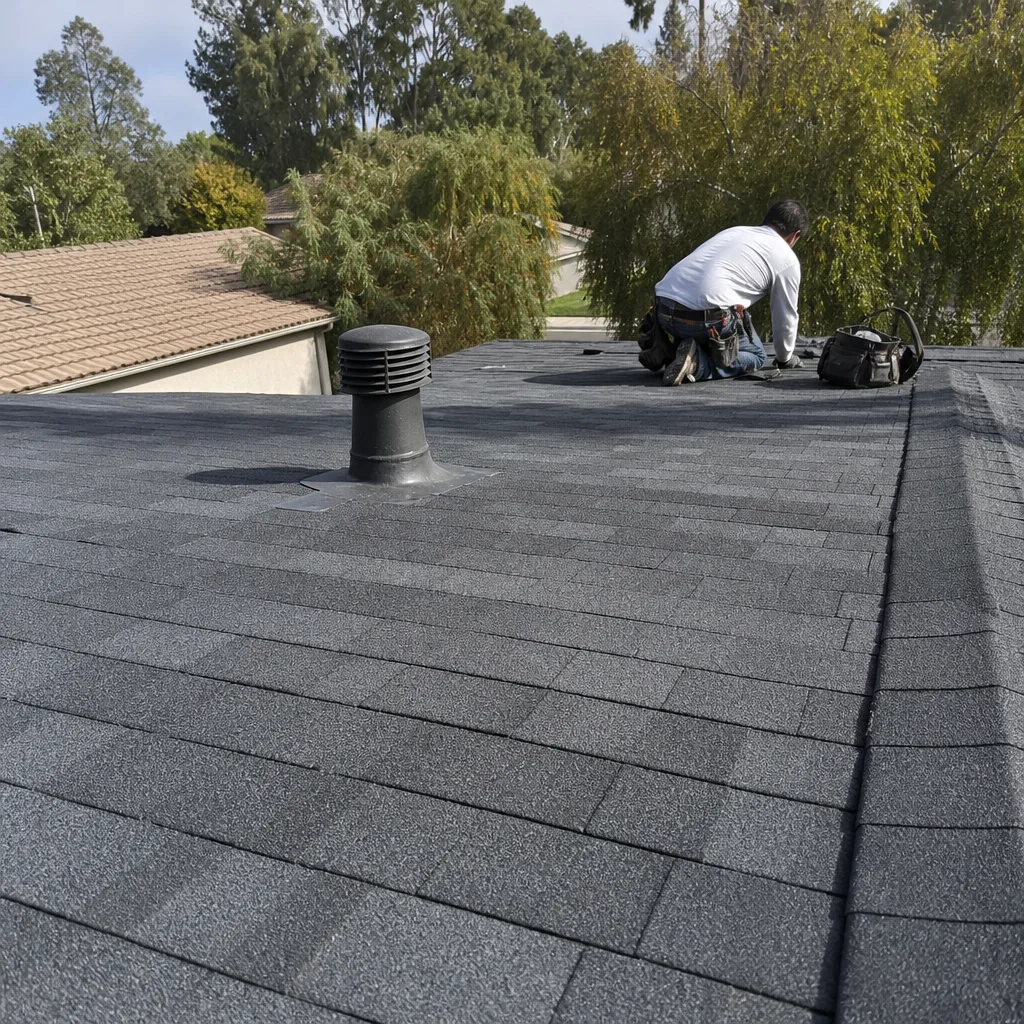 After
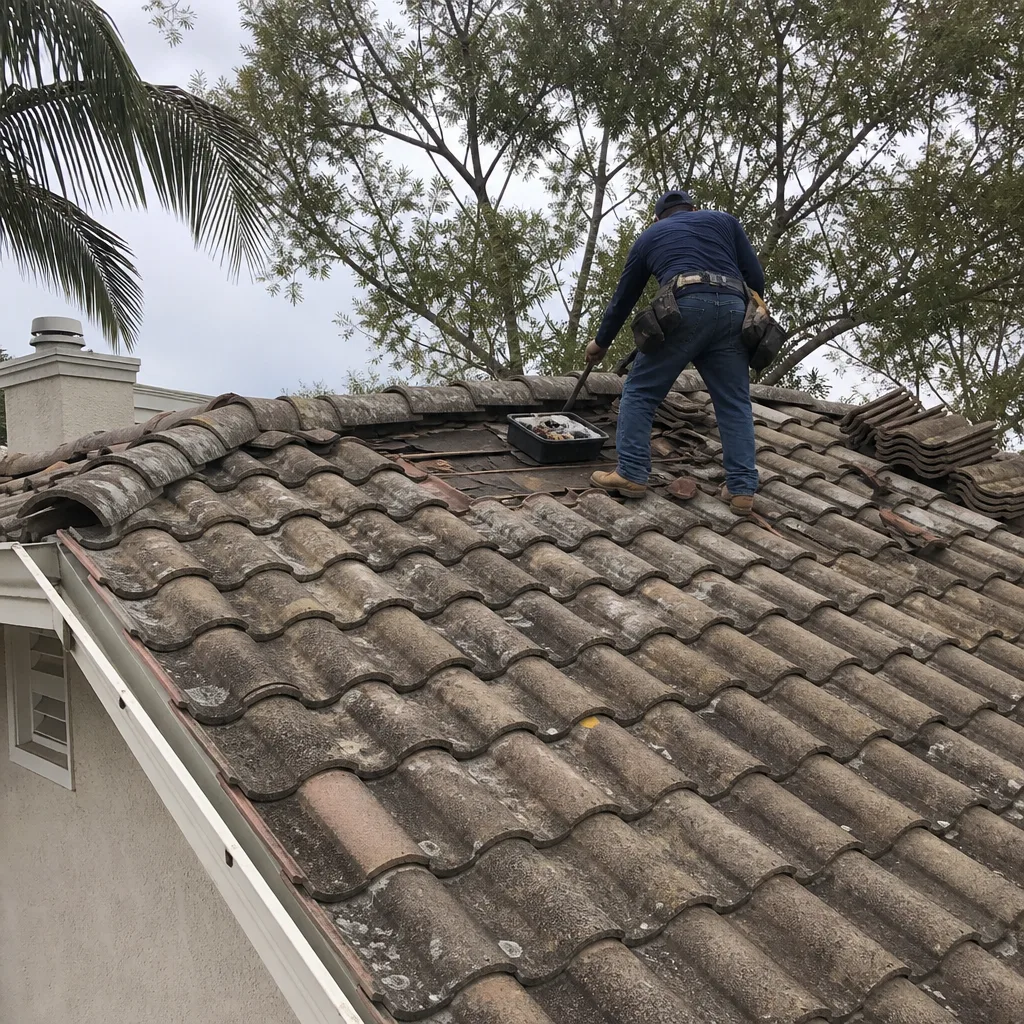 Before
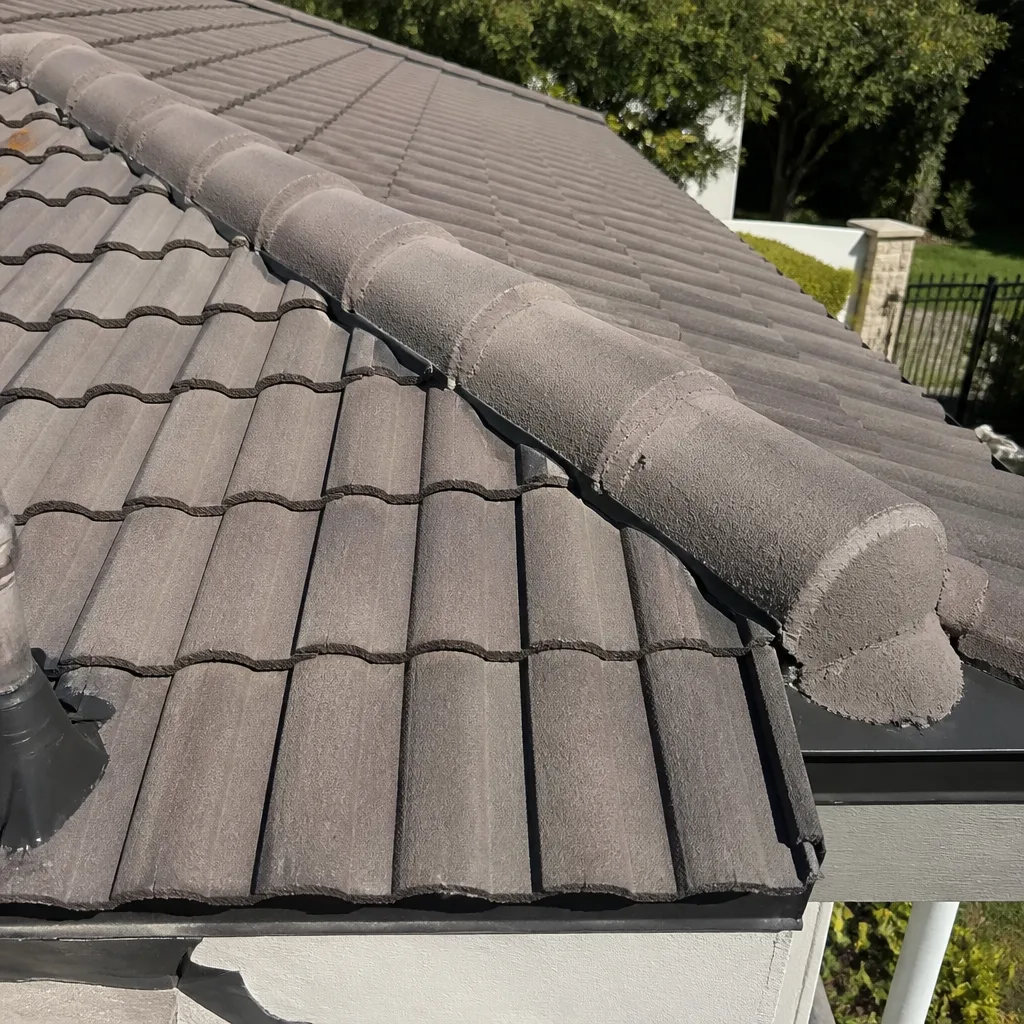 After
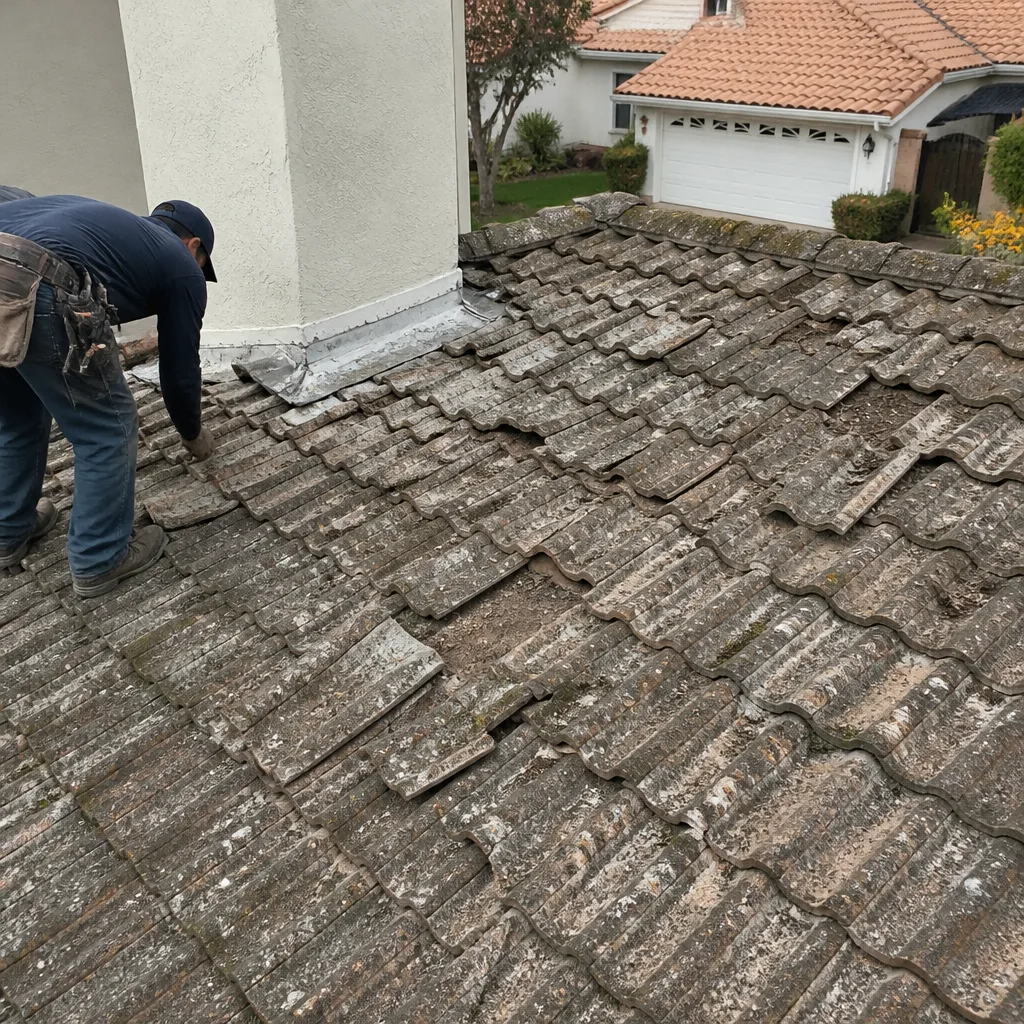 Before
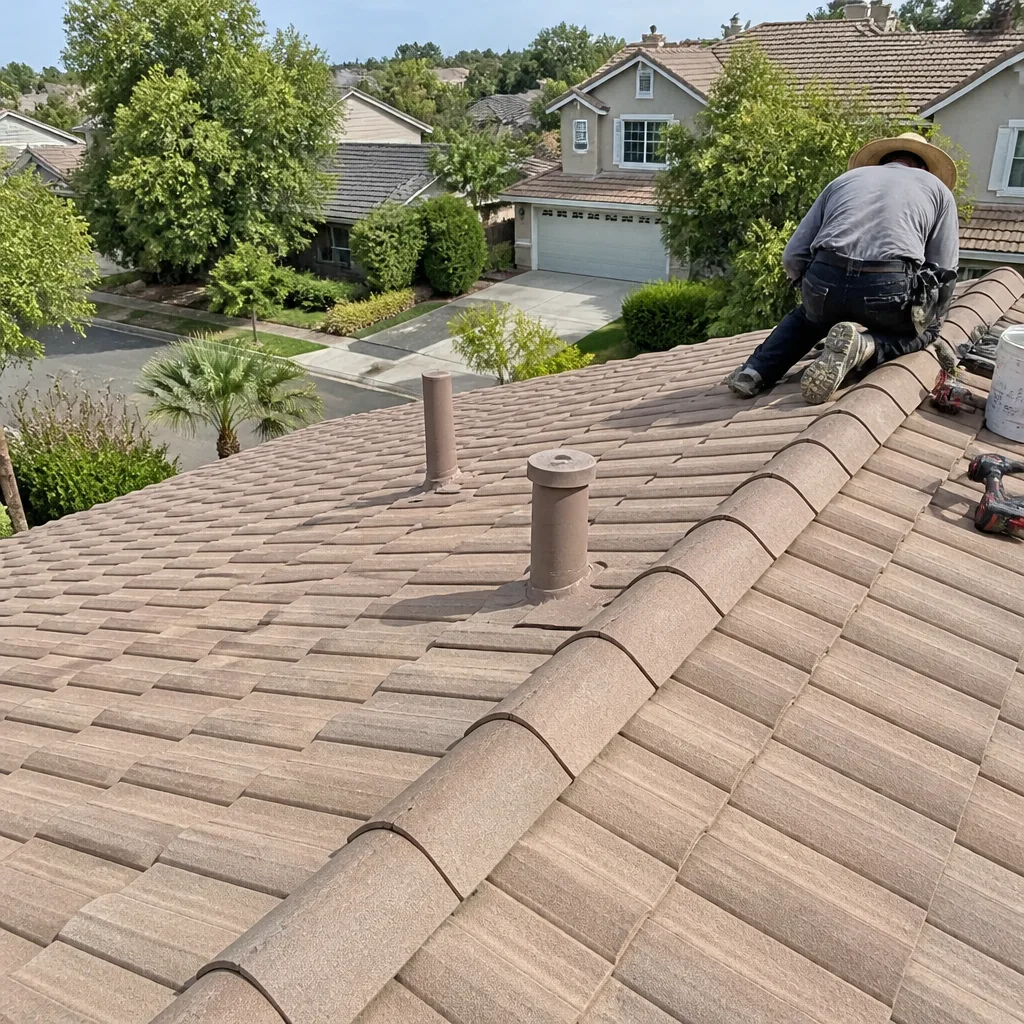 After
Common Mistakes to Avoid
We’ve corrected enough DIY attempts in Aliso Viejo to recognize the patterns. Here are the mistakes we see repeated most often, along with what they cost:
- Using the wrong sealant. Not all roofing sealant is created equal. The inexpensive silicone caulk from the hardware store breaks down under UV exposure and temperature swings. Aliso Viejo’s inland climate, with hot summers and cool coastal nights, accelerates that breakdown. The result: a repair that lasts one season instead of ten. Professional roof repair uses commercial-grade sealants formulated for specific roofing materials and conditions.
- Walking directly on tiles. Concrete and clay tiles crack under point loads. Stepping in the center of a tile, rather than on the edges where tiles overlap, is the most common cause of broken tiles we see. The irony is that homeowners often go up to fix one broken tile and come down having broken three more.
- Ignoring the HOA approval requirement. In Aliso Viejo, most exterior changes require architectural review. A homeowner who replaces visibly damaged tiles with a close-but-not-exact match may face an HOA demand to re-do the work. That’s not a hypothetical. HOA boards in this city review roofs regularly, and they notice.
- Assuming shingle repair skills transfer to tile. Shingle and tile are different trades. The fastening methods, the movement allowances, the underlayment interaction, the walking technique. A homeowner who has shingled a shed in a previous life does not have tile repair skills. We’ve seen the results. They’re expensive.
- Underestimating the roof pitch. Some Aliso Viejo homes have slopes that meet or exceed 6:12, which is where walking safety becomes a serious concern even with proper footwear. Falls are the leading cause of roofing fatalities across the country. No repair savings is worth that risk.
- Patching over active leaks without finding the source. Water travels. The stain on your ceiling is rarely directly below the actual roof breach. Water enters at the penetration, runs along a rafter, and drips a dozen feet away. Homeowners who patch the visible ceiling stain from inside haven’t addressed the roof problem at all. The leak continues, the decking rots, and the repair cost grows.
- Delaying professional help until the problem is visible. By the time a roof leak shows up as a ceiling stain, it has been leaking for weeks or months. The damage behind the drywall is usually worse than the stain suggests. Homeowners who call for a professional assessment at the first sign of trouble consistently pay less than those who wait.
When to Call a Professional
Here’s the threshold question we want you to remember: does this job require touching anything other than the roof’s surface? If the answer is no, it might be DIY territory. If the answer is yes, if you’re lifting tiles, replacing flashing, cutting underlayment, or opening the roof in any way, you’ve crossed into professional territory. The same goes for any job on a roof steeper than you can comfortably stand on, or any repair near a roof edge, chimney, or skylight. These situations carry fall risk and structural risk that change the math entirely. Captain Roof Repair offers free estimates in Aliso Viejo. Call (844) 717-4930 and we’ll tell you exactly what your roof needs, whether that’s a small repair you could handle yourself or a larger job that needs a licensed crew. We’ll give you the straight answer either way.
Frequently Asked Questions
It depends on the scope. Small repairs that don’t involve structural components or changes to the roof’s appearance generally don’t require permits. However, any structural work, significant material changes, or work exceeding $500 in total value under California’s contractor license threshold triggers permit requirements, and permits for roofing work are only issued to licensed contractors in most cases. Call us at (844) 717-4930 and we’ll tell you whether your specific project needs a permit before you start.
Professional roof repairs in Aliso Viejo typically range from $350 for a minor tile replacement to $2,500 for flashing or underlayment work. The comparable DIY repair might cost $150 to $500 in materials and tools, but that savings disappears when you factor in warranty loss, mistake correction, and the real risk of incomplete repair that leads to interior damage. Roof Repair in Aliso Viejo from a licensed contractor typically costs less than the total expense of a failed DIY attempt, which is the comparison that matters.
Homeowners insurance generally covers sudden and accidental water damage, but policies are increasingly strict about damage caused by improper or unlicensed work. If your DIY repair fails and leads to interior damage, your insurer may deny or reduce the claim by arguing that the loss resulted from work you performed outside professional standards. The safest position is to handle only the DIY tasks listed above and leave everything else to a licensed contractor with their own liability coverage.
Concrete and clay tile dominate Aliso Viejo’s housing stock, reflecting the Spanish and Mediterranean architectural style the city was built around. These tile systems are durable, attractive, and well-suited to the local climate, but they’re also the most difficult for a homeowner to work on safely. Tile walking requires specific weight distribution, tile replacement requires matching discontinued profiles, and the underlayment below the tiles is a second roofing system that compounds repair complexity. A Roof Inspection in Aliso Viejo can tell you exactly what’s on your roof and what condition it’s in.
Probably not. All seven of the major roofing brands we work with, including Boral, Tamko, GAF, and CertainTeed, require licensed contractor installation for any repair work touching the field tile or shingle. Replacing tiles yourself, even if you do a clean job, gives the manufacturer grounds to deny future warranty claims. Check your warranty’s exclusions section before touching anything, or call us and we’ll help you interpret the language.
The decision point is usually when repair costs begin approaching 30% of a full replacement cost, or when the underlying structure shows signs of widespread deterioration that individual repairs won’t address. In Aliso Viejo, many original roofs are now 25 to 35 years old, which is beyond the typical design life of even quality tile systems. If you’re spending on repairs every year, a Roof Replacement in Aliso Viejo may cost less in the long run than continuing to patch. Call (844) 717-4930 for an honest assessment of where your roof stands.
The Bottom Line
The DIY vs. professional decision isn’t a moral question. It’s a risk calculation. In Aliso Viejo, where tile roofs dominate, HOA oversight is strict, and manufacturer warranties carry real value, the calculation tilts heavily toward professional work for anything beyond surface maintenance. The jobs that are safe to DIY are genuinely safe, and they’re worth doing yourself. The jobs that aren’t safe will cost you more in the long run, whether through warranty loss, HOA compliance issues, failed repairs, or the simple reality of standing on a steep tile roof without the right equipment and training. We started Captain Roof Repair to give Aliso Viejo homeowners a straight answer on this exact question. Seven leading brands, one crew that knows them all, from the first inspection to the final shingle. Call us at (844) 717-4930 for a free estimate. We’ll tell you exactly what your roof needs and why, and whether you should do it yourself or leave it to us.
Written by the team at Captain Roof Repair, serving Aliso Viejo since 2017.