Last updated October 31, 2026
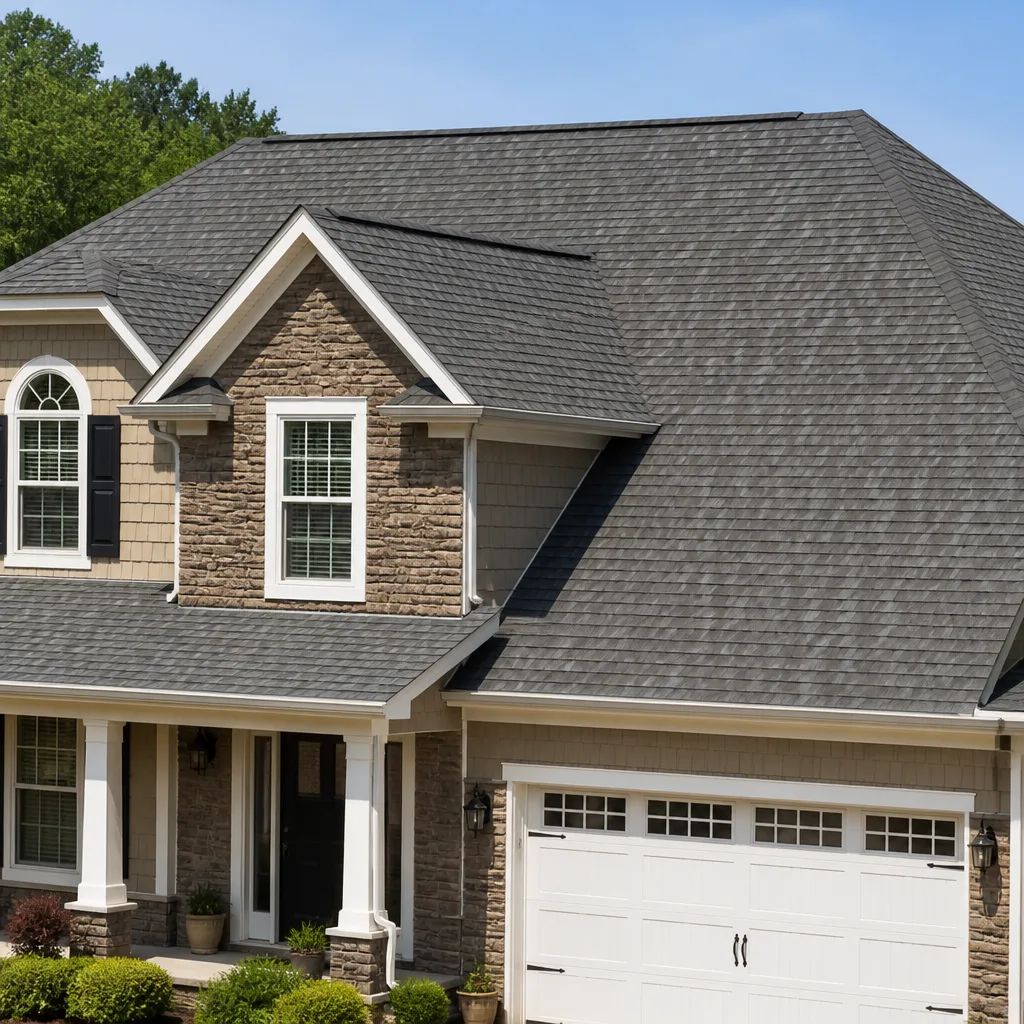 Architectural shingles
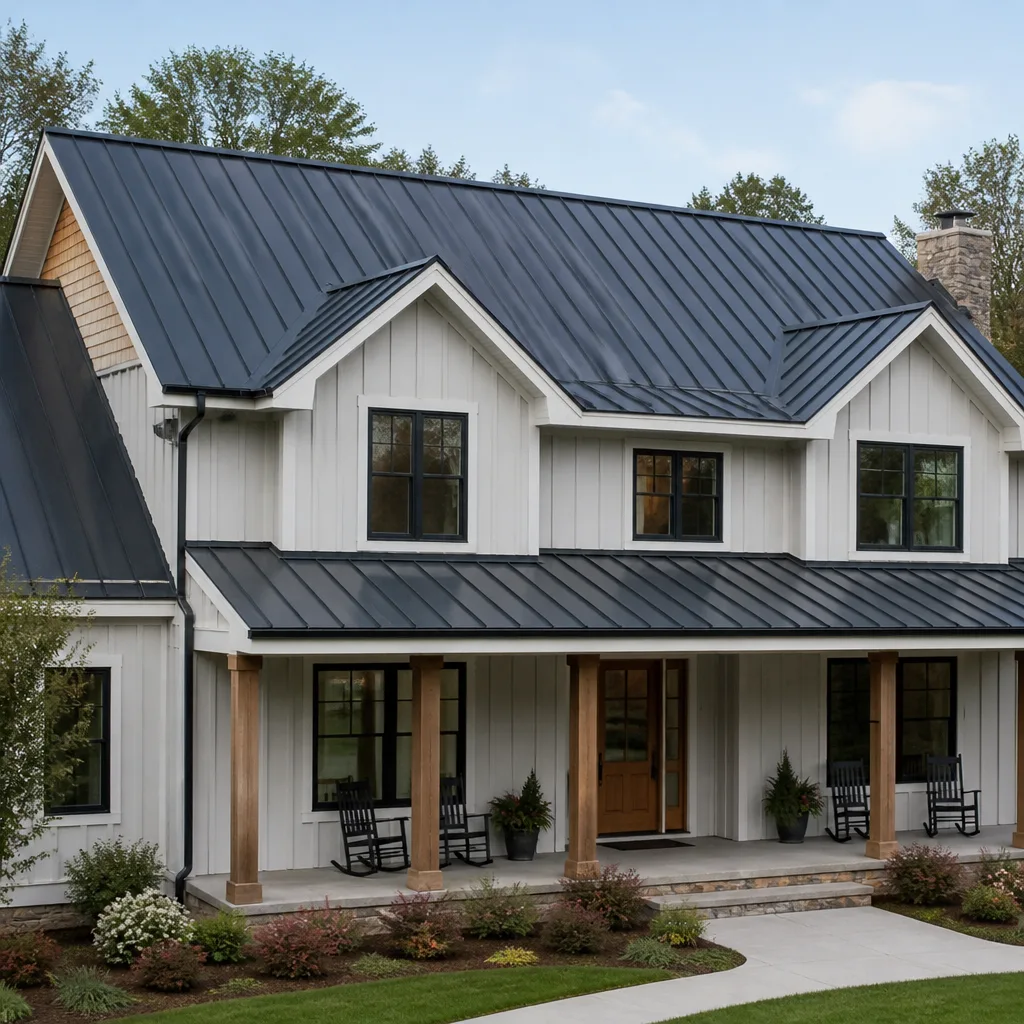 Metal roofing
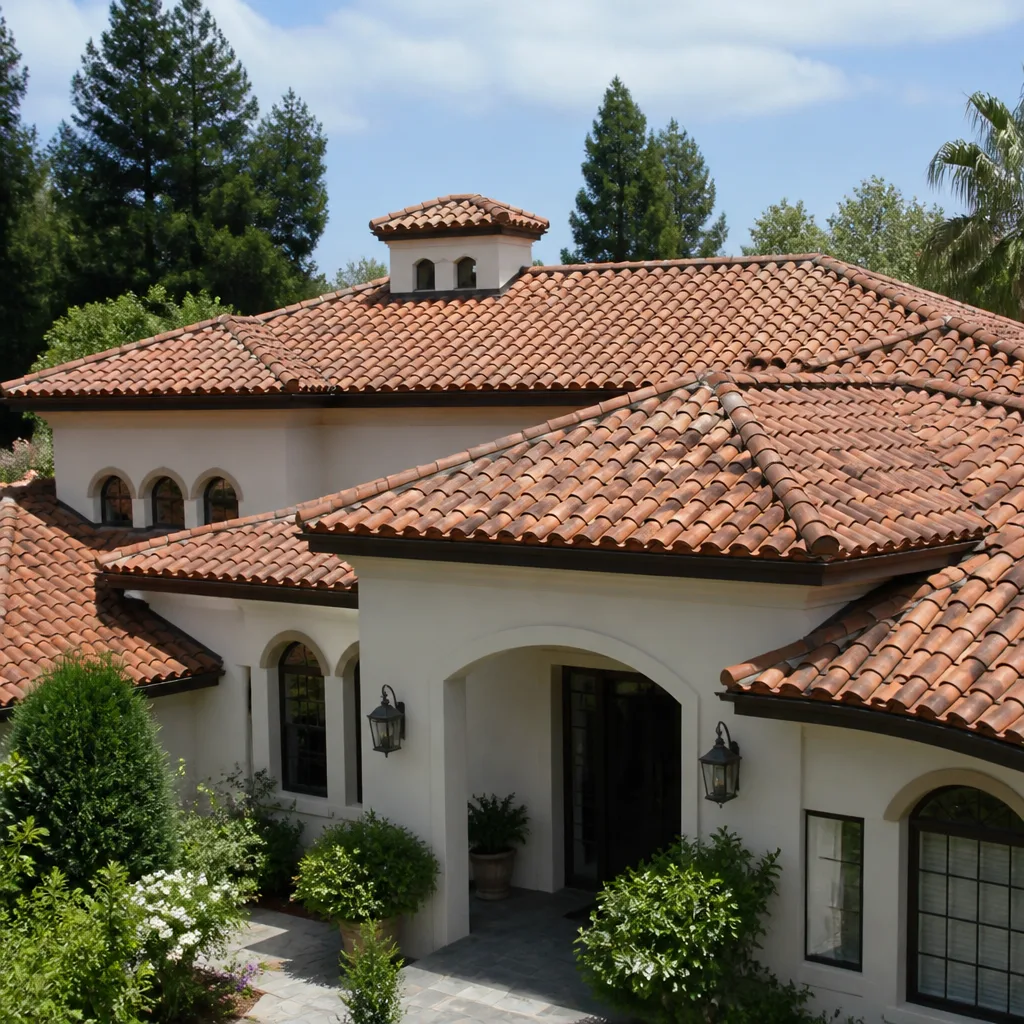 Tile roofing
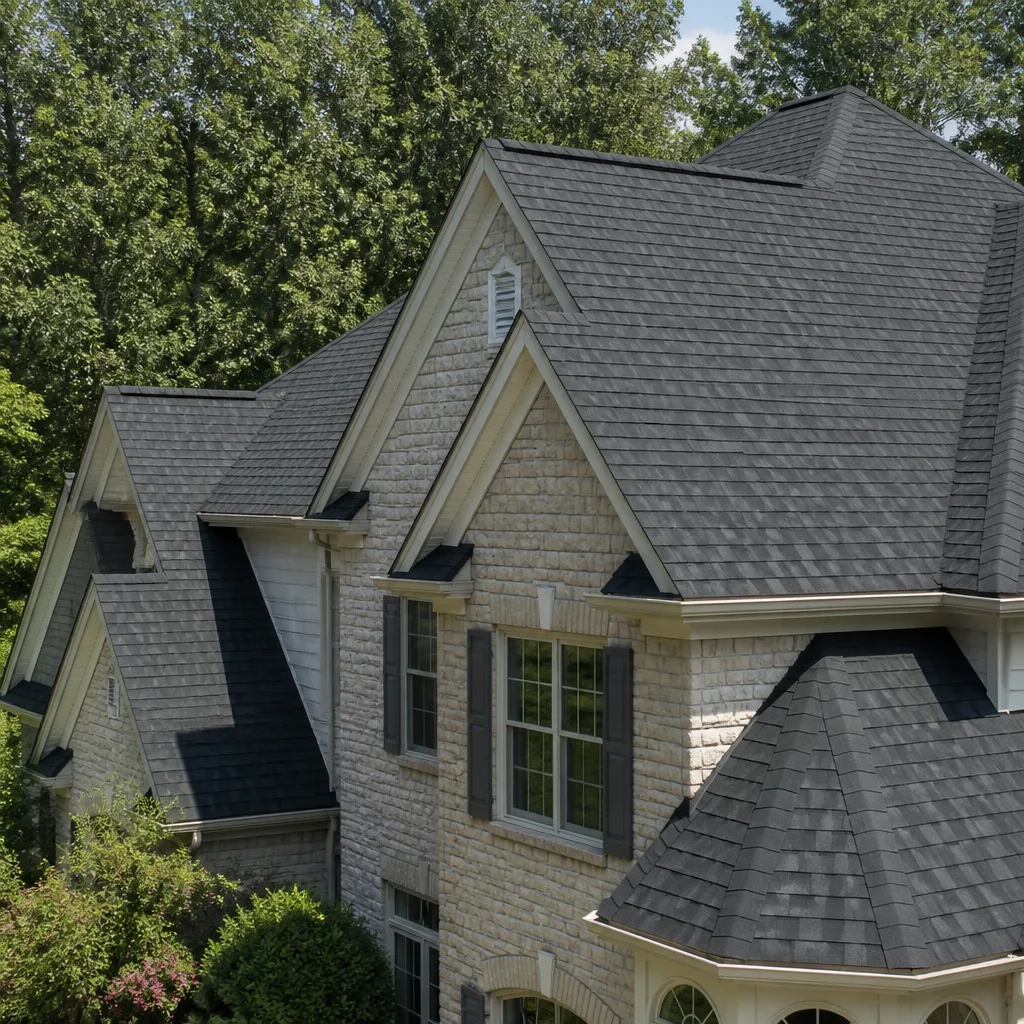 GAF
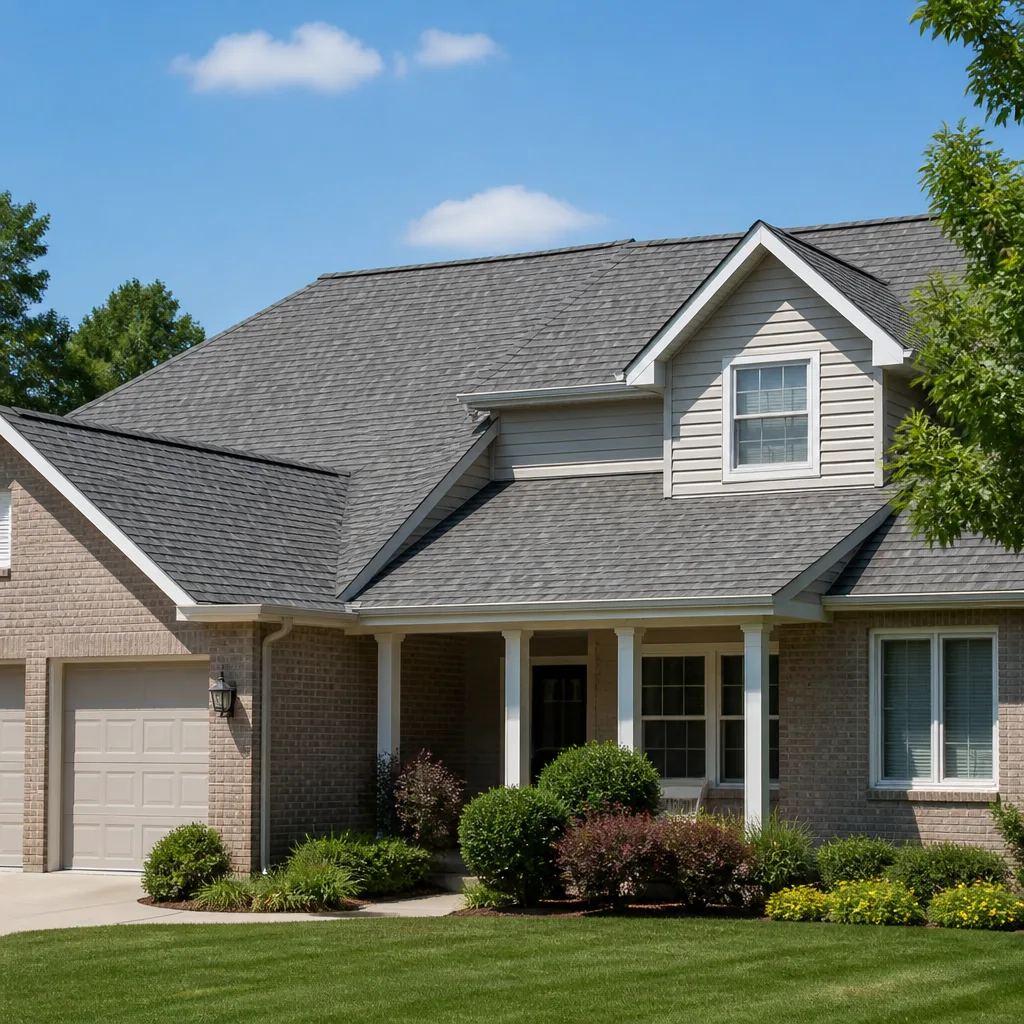 Owens Corning
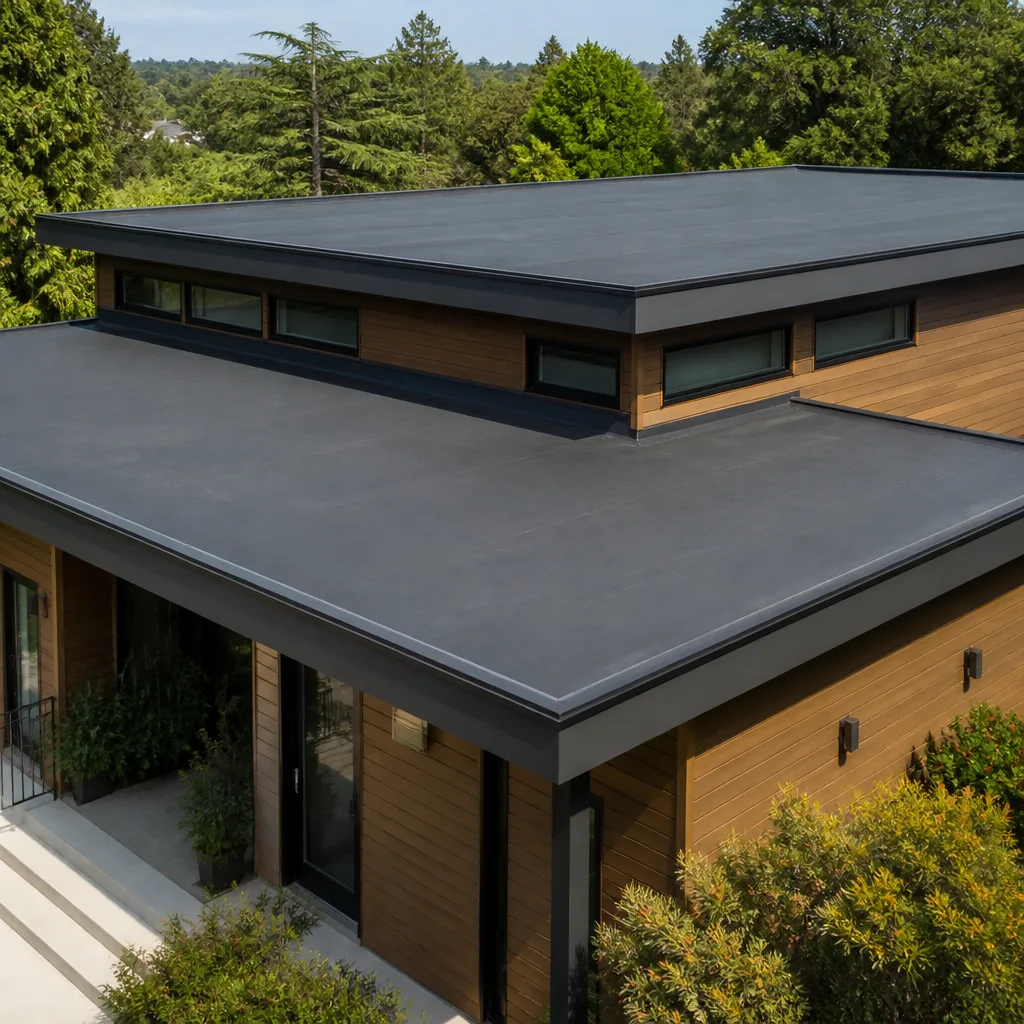 Flat & low-slope
Free roof inspection with deck photos before we talk money - GAF and Owens Corning certified installation
The Complete Roof Repair Guide for Aliso Viejo Homeowners
Most Aliso Viejo roofs that leak after a Santa Ana wind event were already failing before the wind arrived. The storm just revealed it. Wind doesn’t create roof damage out of nowhere; it exploits weaknesses that have been developing for months or years: a lifted flashing seam, a granule-bare shingle patch, a nail that worked loose through twenty marine layer cycles. This guide explains how to read your roof before the next wind event, what repair signs are unique to Aliso Viejo’s coastal-adjacent climate, and how to decide between a repair and a replacement without getting sold something you don’t need.
Styles & brands we work with
Quick Answer
Roof repair in Aliso Viejo means fixing the specific failure points caused by marine layer moisture, intense UV exposure, and Santa Ana wind cycles before they become structural problems. A proper repair addresses the cause, not just the visible symptom, and in Aliso Viejo that usually means checking flashing, hip returns, low-slope transitions, and attic venting gaps. Captain Roof Repair performs roof inspections in Aliso Viejo that identify these failures early, typically saving homeowners thousands compared to waiting for a leak to appear indoors.
Table of Contents
- How the Aliso Viejo Marine Layer Accelerates Roof Deterioration
- The Failure Zones on Aliso Viejo Tract-Home Roof Designs
- Repair vs. Replacement: A Decision Framework for Aliso Viejo Roofs
- Material Matching for Spot Repairs and Why It Matters
- How to Vet a Roof Repair Estimate: The Three Line Items That Matter
- Santa Ana Wind Damage: What to Check After Every Event
- Attic Venting: The Repair Most Aliso Viejo Roofs Actually Need
- Common Mistakes to Avoid
- When to Call a Professional
- Frequently Asked Questions
- The Bottom Line
How the Aliso Viejo Marine Layer Accelerates Roof Deterioration
Aliso Viejo sits close enough to the Pacific that the marine layer rolls in most nights from May through August, but far enough inland that daytime temperatures climb into the 80s and 90s. That daily cycle, cool damp nights followed by hot dry afternoons, is harder on roofing materials than either condition alone. Here’s what actually happens to your roof.
Asphalt shingles expand when they heat up and contract when they cool. The marine layer adds moisture to that equation. Moisture works into the asphalt matrix, then the afternoon heat drives it back out. Over hundreds of these cycles, the asphalt binder that holds the granules in place becomes brittle. Granules start sloughing off. That’s why roofs in Aliso Viejo often show granule loss at the 12-to-15-year mark even when the shingles are rated for 25 or 30 years. The shingle itself hasn’t failed; the binder has given up early due to a microclimate nobody accounted for at purchase.
We see this pattern in neighborhoods across Aliso Viejo: Westridge, Glenwood, and closer to the canyon edges where fog lingers longer in the mornings. The west-facing roof planes on those homes typically lose granules faster than the east-facing planes, because they’re still wet when the afternoon sun hits them.
What this means for repairs is straightforward. If granule loss is the only issue and the shingle mat isn’t cracking, spot repair or localized shingle replacement makes sense. If the granules are gone across most of the roof surface, the remaining lifespan is short enough that a roof replacement in Aliso Viejo may be the more cost-effective path. The material for that discussion is still on the table; Atlas and Tamko both make shingle lines that handle UV and moisture cycling well for South OC conditions. We’ll get to material selection shortly.
The Failure Zones on Aliso Viejo Tract-Home Roof Designs
Aliso Viejo is a master-planned community, which means most homes were built in concentrated phases by a handful of builders. That consistency is good for homeowners in one way: if your neighbor’s roof failed at a particular spot, yours likely will too. It’s also predictable. In our experience across hundreds of Aliso Viejo inspections, the same five zones account for the large majority of repair calls.
- Hip returns. Most Aliso Viejo homes have hip roofs, meaning the roof slopes down on all four sides. The points where two hip ridges meet, called hip returns, are frequent leak points because the shingles there are cut at acute angles and the flashing underneath is often minimal. Over time, the shingle edges curl just enough for wind-driven rain to get under them.
- Low-slope transitions. Many Aliso Viejo properties include a portion of low-slope roofing, often over a garage extension or a patio cover. These transitions from steep-slope shingles to low-slope membrane are prone to failure because the two materials expand and contract at different rates. The seam where they meet is a classic water entry point.
- Attic venting gaps. Tract builders in the 1990s and early 2000s, when most of Aliso Viejo was built out, often installed the minimum code-required venting: sometimes ridge vents, sometimes static box vents, sometimes a mix. Inadequate venting shortens shingle life directly, because trapped heat bakes the shingles from underneath. We address this in detail below.
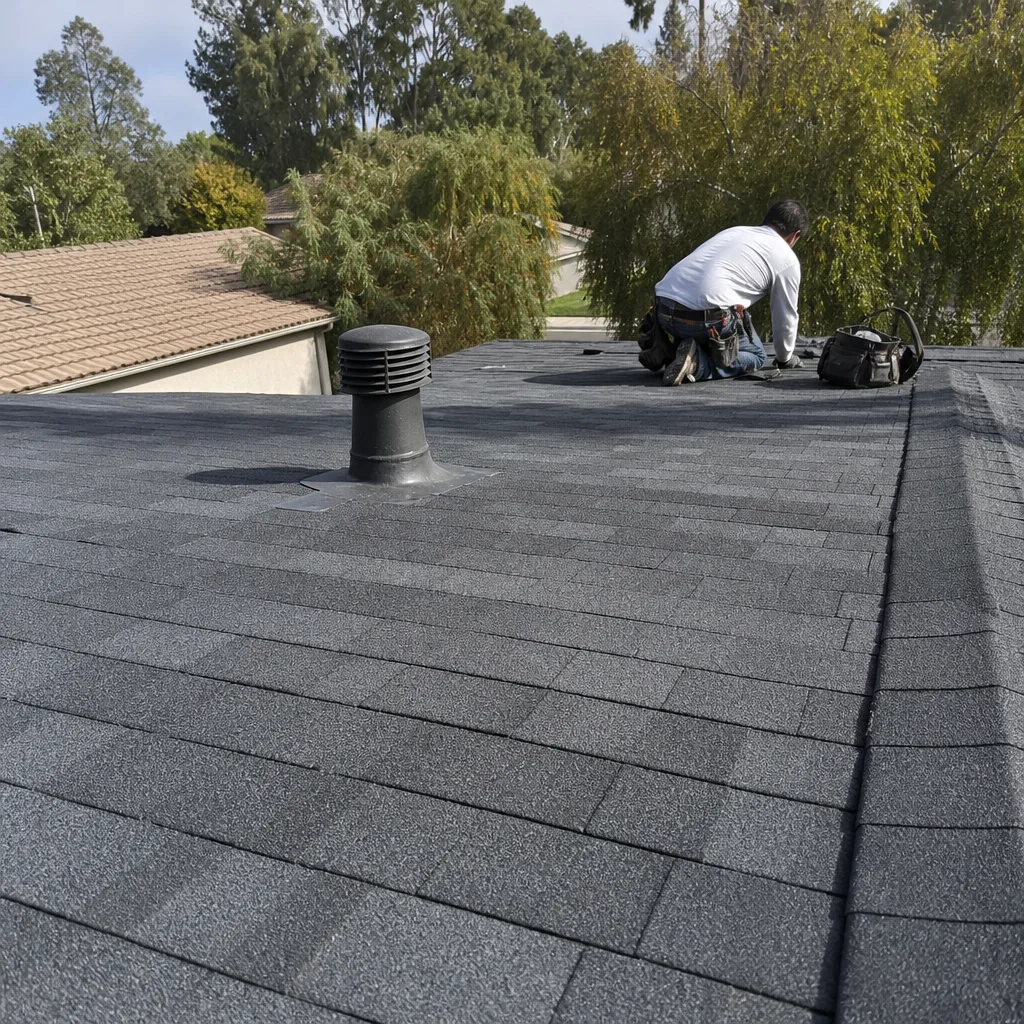
- Plumbing vent pipe boots. The rubber boot that seals the area where a plumbing vent pipe penetrates the roof has a service life of about 10 to 15 years. When it cracks, water follows the pipe straight into the attic. This is one of the cheapest repairs in roofing, often under $400, but it causes some of the most expensive interior damage because the leak is slow and goes unnoticed for months.
- Chimney and skylight flashing. Wherever the roof plane is interrupted by a chimney chase or a skylight, the flashing detail is the weak point. Aliso Viejo has plenty of homes with original skylights from the 1990s, and the flashing around those skylights is now decades old.
When we perform a roof inspection in Aliso Viejo, these five zones get a close look before anything else. They’re where the truth lives.
Repair vs. Replacement: A Decision Framework for Aliso Viejo Roofs
The most important question in roofing isn’t “what’s wrong?” It’s “given what’s wrong, does repairing this roof make financial sense?” Here’s the framework we use, based on what we’ve learned from hundreds of Aliso Viejo roofs.
Start with roof age. If the roof is under 10 years old and the damage is localized, repair is almost always the right call. You’re protecting a long remaining lifespan, so a targeted fix has real value. If the roof is 10 to 18 years old, repair is still usually appropriate for isolated issues, but the decision hinges on the overall condition of the shingles. If the roof is over 18 years old and showing multiple failure points, replacement often becomes the more cost-effective option, because every repair you make is buying a short amount of time against a roof that’s nearing the end regardless.
Next, assess the failure pattern.
- Isolated failure: One leak, one damaged area, one flashing issue. Repair wins. You’re fixing a specific problem on an otherwise sound roof.
- Repeated failures in the same zone: If you’ve patched the same leak twice, or two leaks have appeared in the same plane within a year, that’s a pattern. The underlying cause hasn’t been addressed. This is where a more thorough repair or a partial re-roof of that plane makes sense.
- Distributed deterioration: Granule loss across most slopes, curling shingle edges in multiple areas, brittle materials that crack when lifted. This is an aging roof, not a damaged one. Replacement territory.
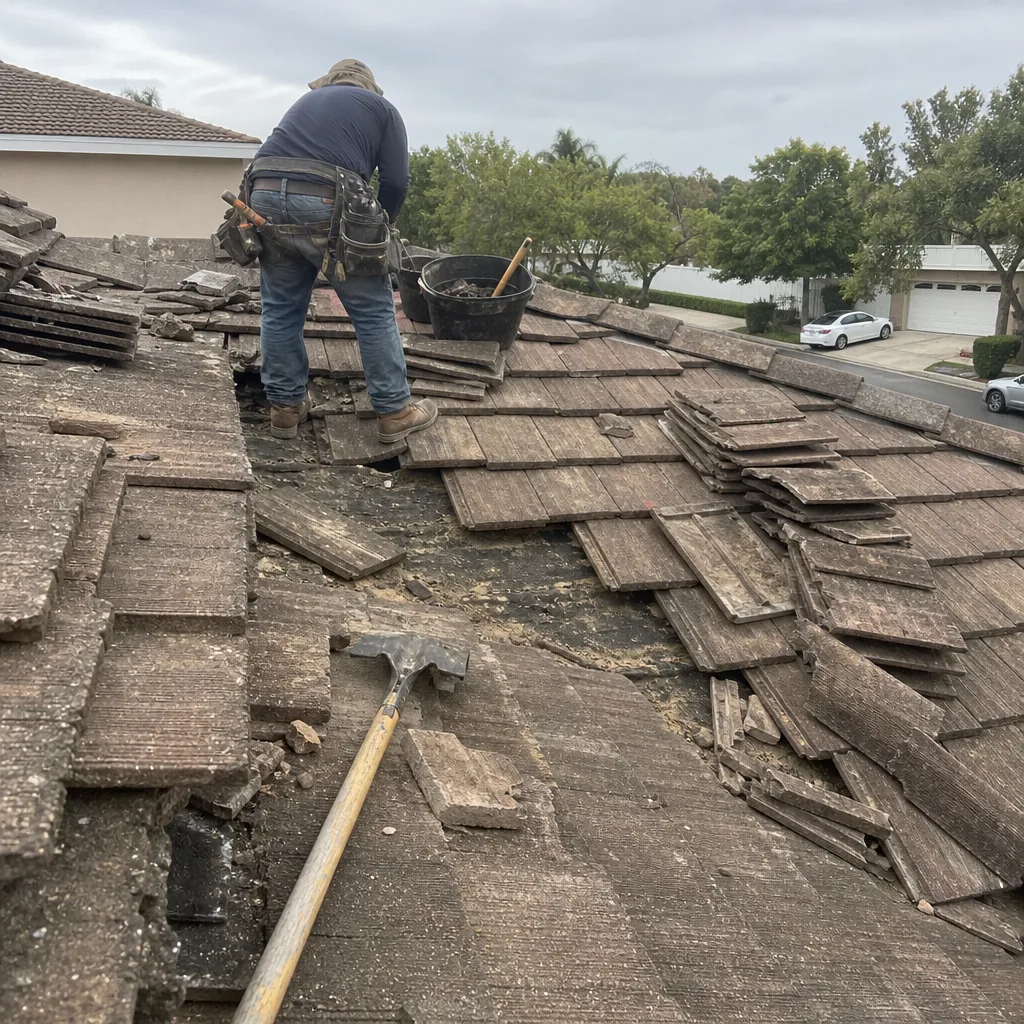
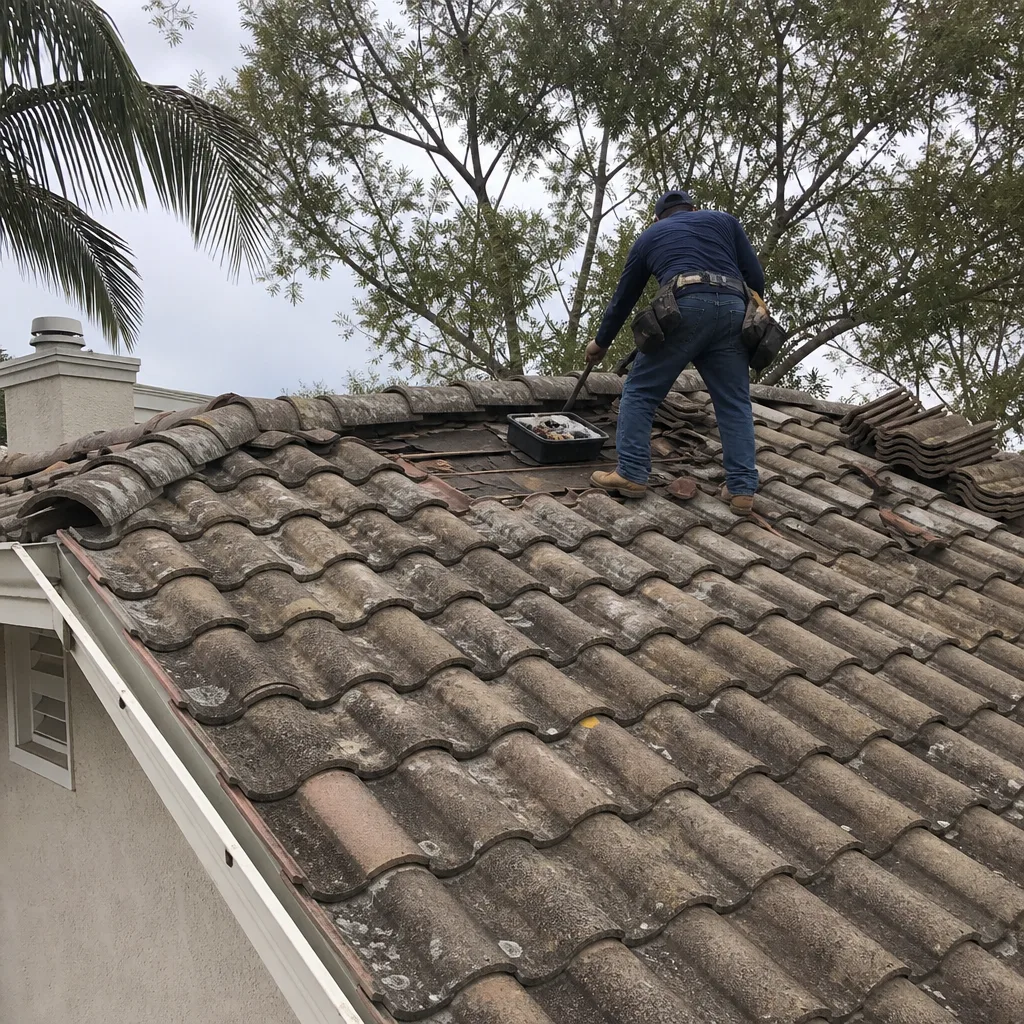
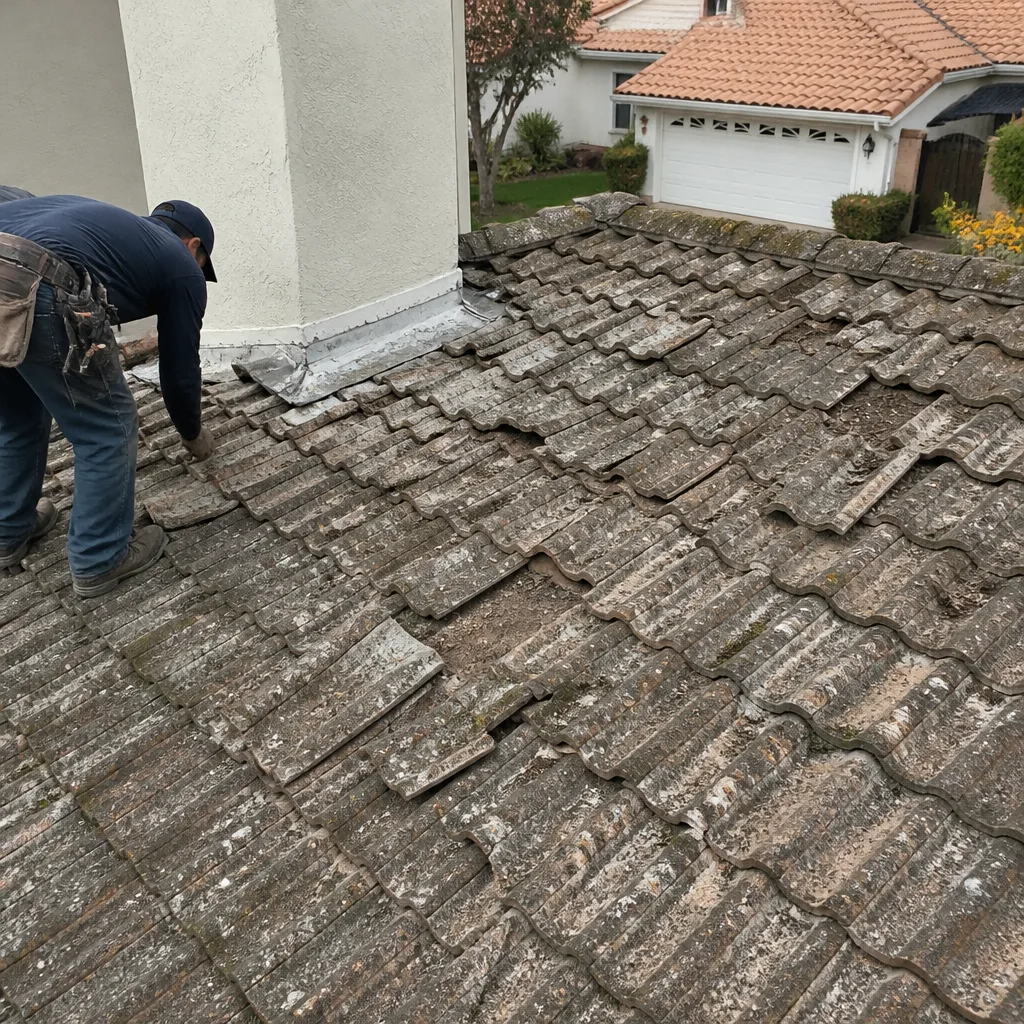
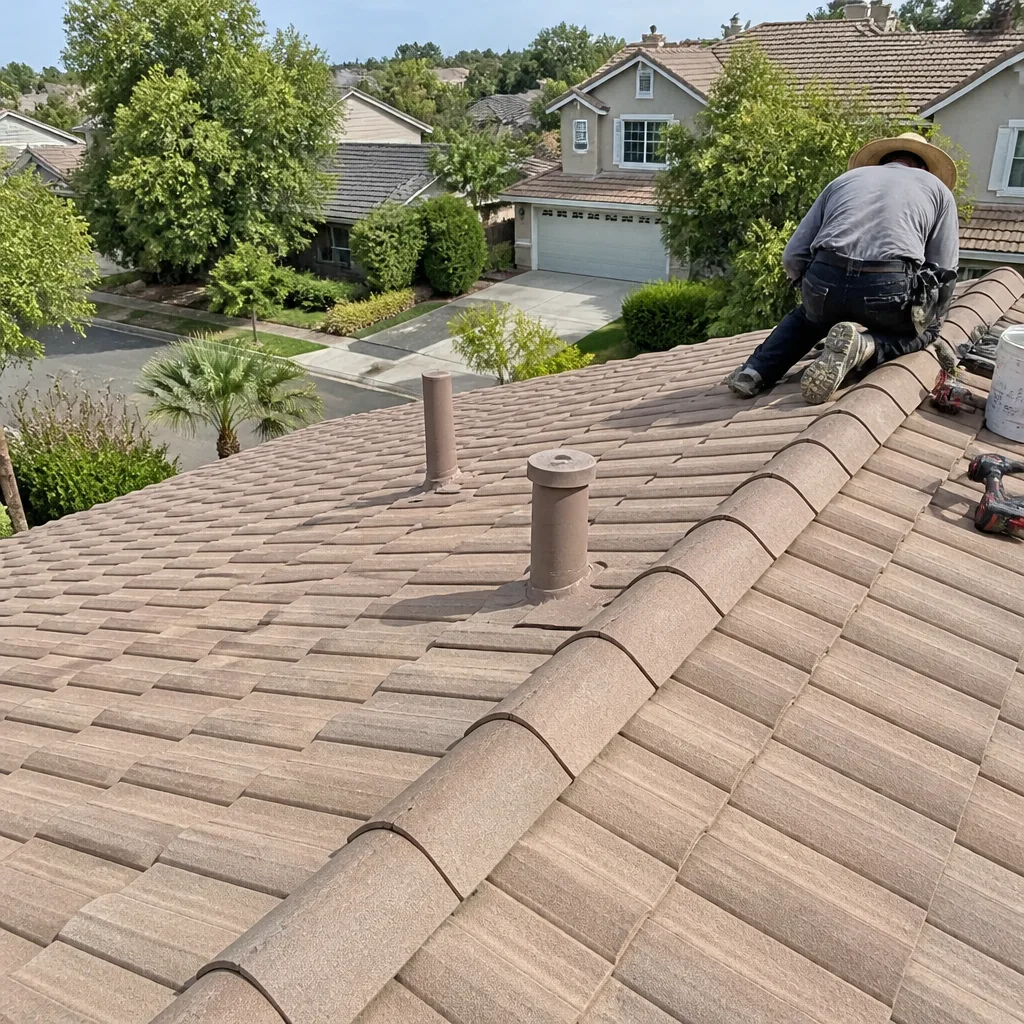
Finally, consider the material-specific factors. Concrete tile roofs, which are common in parts of Aliso Viejo, have a very different repair calculus than asphalt shingle roofs. Tile itself can last 50 years or more, but the underlayment beneath it typically lasts 20 to 30. When underlayment fails, the repair is labor-intensive because tiles must be removed and reset. In those cases, the question isn’t whether the tile is good; it’s whether the underlayment has run its course. Boral tile and GAF shingles each have their own repair and warranty considerations, which any Aliso Viejo roof repair professional should walk you through honestly.
The short version: repair when the roof is young and the damage is localized. Replace when the roof is old and the damage is systemic. And when you’re not sure, get an inspection from someone who doesn’t have a financial incentive to push you one direction or the other.
Material Matching for Spot Repairs and Why It Matters
When a section of your roof gets repaired, the new material needs to match the existing material. That sounds obvious. What isn’t obvious is why it matters beyond cosmetics.
First, warranty continuity. Most shingle manufacturers offer a limited warranty that covers material defects for a defined period. If you repair with a different brand of shingle than what’s on the roof, the original warranty isn’t necessarily voided, but if a future claim arises, the manufacturer can argue that the mixed-brand installation contributed to the failure. Repairing with the same brand, and ideally the same product line, keeps the warranty story clean.
Second, performance matching. Different shingle lines have different weights, different seal strip designs, and different wind ratings. Mixing them on the same roof plane creates uneven wear patterns. The newer shingles may seal differently than the older ones, and the transition between the two is a future vulnerability point.
Third, the repair’s appearance. This matters to some homeowners and not to others, but it’s worth knowing: even a perfect color match looks different for the first few years because the new shingles haven’t been through any weather cycles. Granules will weather and the color will settle over time, but the repaired area will be visible for a while.
For Aliso Viejo specifically, we work with GAF, Atlas, Tamko, and other brands because having the ability to match the existing material is part of doing a repair correctly. If your roof has an Atlas architectural shingle, we repair with an Atlas product. If it’s a Tamko line, we use Tamko. The repair should be invisible in every sense, including the warranty paperwork.
How to Vet a Roof Repair Estimate: The Three Line Items That Matter
Most homeowners judge a roofing estimate by the bottom line. That’s a mistake. Two estimates can be $500 apart and the cheaper one is the better value, or the more expensive one is, and the bottom line alone won’t tell you which. Here are the three line items to compare.
- Surface preparation. A thorough repair estimate includes line items for removing the damaged material, cleaning the area, and inspecting what’s underneath. A patch-job estimate skips this and goes straight to “install new shingles.” If the estimate doesn’t mention removing anything, the repair will be a bandage over a problem that’s still there.
- Flashing and sealant specifics. The estimate should say what flashing is being replaced or repaired, and where. If it just says “reseal flashings” without specifying which flashings and what materials are being used, that’s a red flag. Flashing is where most Aliso Viejo roof leaks originate, and a repair that doesn’t address it explicitly won’t stop them.
- Warranty terms in writing. What’s warrantied, for how long, and what voids it? A one-year workmanship warranty is standard in roofing. Anything less should give you pause. Anything more should be spelled out precisely. Verbal promises don’t count.
A legitimate estimate also won’t pressure you with a price that’s valid only if you sign today. Roofing is not a high-pressure industry, or at least it shouldn’t be. Take your time, compare the line items, and call the contractor with questions. If they’re annoyed by your questions, that’s the answer you were looking for.
Santa Ana Wind Damage: What to Check After Every Event
The Santa Ana winds hit Aliso Viejo in the fall and winter, often with gusts of 50 to 70 mph in the canyon-adjacent areas. These winds don’t just lift loose shingles; they exploit every existing weakness that’s been developing over the previous year. Here’s what to check after every significant wind event, from the ground, with binoculars if you have them.
- Ridge lines. The peak of the roof takes the most direct wind pressure. Look for shingles that are lifted, missing, or visibly displaced from the ridge line.
- Hip edges. The diagonal seams where roof planes meet are wind-vulnerable. Missing shingles here are common in Aliso Viejo after Santa Ana events.
- Flashing points. Wind can loosen chimney flashing, skylight flashing, and vent pipe collars. A lifted flashing seam is a leak waiting for the next rain.
- Eaves and overhangs. Wind whips under the eaves and can pull loose the starter strips that seal the roof’s edge.
- Debris accumulation. Palm fronds, eucalyptus branches, and other wind-borne debris can cause impact damage or block drainage paths. Check valleys and gutters.
If you spot damage, call for a roof repair in Aliso Viejo sooner rather than later. Wind damage compounds. A lifted shingle that would have been a $300 repair in October becomes a full leak and drywall damage by the time the first real rains arrive in December.
Attic Venting: The Repair Most Aliso Viejo Roofs Actually Need
Here’s a pattern we see regularly in Aliso Viejo: a homeowner calls us because shingles are curling and cracking at 12 years old. They assume the shingles failed. The actual problem is that the attic isn’t venting properly. The shingles are being cooked from underneath by trapped heat, and no shingle on the market will survive that for its full rated lifespan.
Proper attic ventilation requires balanced intake and exhaust. That means soffit vents, or alternative intake vents, pulling cool air in at the bottom, and ridge vents or box vents pushing hot air out at the top. When the balance is off, hot air accumulates in the attic, and the radiant heat passes through the roof deck and into the shingles. In Aliso Viejo, where summer temperatures routinely reach the high 80s and 90s, a poorly vented attic can reach 140 degrees or more on an August afternoon.
The repair itself is straightforward: assess the current venting, calculate the required net free vent area for the attic’s square footage, and install the missing intake or exhaust components. Sometimes it’s as simple as adding a ridge vent where only box vents existed. Sometimes old insulation blocking the soffit vents needs to be pulled back.
What matters is that the venting is corrected before, or at the same time as, the shingle repair. Fixing the shingles without fixing the venting is paying for the same problem twice.
Common Mistakes to Avoid
- Ignoring granule loss because there’s no visible leak. Granule loss is the early warning sign that the shingle binder is failing. By the time water penetrates, the repair is more extensive and more expensive. In Aliso Viejo, the marine layer accelerates this timeline.
- Patching the same leak twice without investigating the underlying cause. A leak that recurs in the same spot after a repair means the repair didn’t address the cause. Every repeat leak costs more than the previous one, because water has had more time to do damage.
- Repairing an aging roof in pieces. If the roof is over 18 years old and failures are appearing in multiple areas, piecemeal repairs are a slow-motion replacement that costs more than doing it once. The decision should be made deliberately, not one emergency at a time.
- Choosing the lowest bid without comparing line items. Roofing estimates vary for a reason. A low bid that omits surface preparation, flashing work, or proper materials is not cheaper; it’s deferred cost.
- Waiting for a leak to appear indoors before calling for an inspection. By the time water shows up on a ceiling, it has already passed through the roofing material, the roof deck, and possibly insulation. The roof repair might have been $400 a year ago; the full repair plus interior restoration won’t be.
- Skipping the permit when the repair requires one. Some Aliso Viejo roof repairs fall below the permit threshold, but larger repairs and any structural work do not. Unpermitted work can become a problem at resale.
- Using caulk or sealant as a permanent repair. Sealant is a temporary patch, not a fix. It hardens, cracks, and fails, usually at the worst possible time. The underlying flashing or material issue remains and worsens.
When to Call a Professional
If you see daylight through the roof boards from inside the attic, call immediately. If water is staining a ceiling, don’t wait. If shingles are missing after a wind event, call before the next rain. If granule loss covers most of the roof plane, schedule an assessment before the problem becomes structural. And if you’ve been patching leaks repeatedly and they keep coming back, stop patching and get a proper diagnosis. Captain Roof Repair offers free estimates in Aliso Viejo at our home page; call (844) 717-4930 and we’ll walk your roof, take photos, and tell you exactly what’s going on, with no pressure and no obligation.
Frequently Asked Questions
Most Aliso Viejo roof repairs range from $400 to $2,500 depending on the scope. Small fixes like a vent pipe boot replacement or a small flashing repair run $400 to $800, while larger repairs involving multiple areas or partial re-roofing of a roof plane can reach $2,500 or more. Call (844) 717-4930 for a specific quote; estimates are free.
No, and this is where Aliso Viejo homeowners get into trouble. The dry fall months are when Santa Ana winds do their worst damage, and the rains that follow the wind season find every exposed gap. A repair scheduled before the rains costs a fraction of the same repair plus interior water damage after them.
Usually not, unless the damage is extremely localized and the rest of the roof is in unusually good condition. At 20-plus years in Aliso Viejo’s climate, most shingle roofs are near the end of their useful life, and repair money is better spent on a planned replacement. An inspection will tell you which situation you’re in.
It depends entirely on the cause of the damage. Sudden events like wind damage or a fallen branch are generally covered. Gradual deterioration from age or the marine layer is not, because insurance covers accidents, not maintenance. Read your policy’s roof coverage section carefully; many Aliso Viejo policies are written differently now than they were ten years ago.
Most repairs are completed in a single day. Larger repairs involving multiple roof planes or flashing replacement may take two to three days. The work itself is not what takes time; it’s the preparation, the material matching, and the careful flashing work that separates a proper repair from a patch.
Minor repairs that don’t involve structural changes typically don’t require a permit. However, larger repairs, any structural work, and full re-roofing do. Captain Roof Repair handles the permit process when one is needed, so you never have to navigate the city’s requirements alone.
The Bottom Line
Your Aliso Viejo roof fights a specific battle every day: marine layer moisture at night, UV intensity by day, and Santa Ana winds in the fall. That combination produces failure patterns you can learn to spot. Hip returns, low-slope transitions, venting gaps, flashing points, and vent pipe boots these five zones account for the majority of local repair calls. If your roof is young and the damage is isolated, repair it. If it’s old and the damage is systemic, plan the replacement. Either way, match materials, vet estimates by line item, and address attic venting. When you’re ready, we’ll take command of the problem, from the first inspection to the final shingle, so you don’t have to. Call (844) 717-4930 for a free estimate.
Written by the team at Captain Roof Repair, serving Aliso Viejo since 2017.
See the difference
 Before
 After
 Before
 After
 Before
 After