
Last updated October 31, 2026
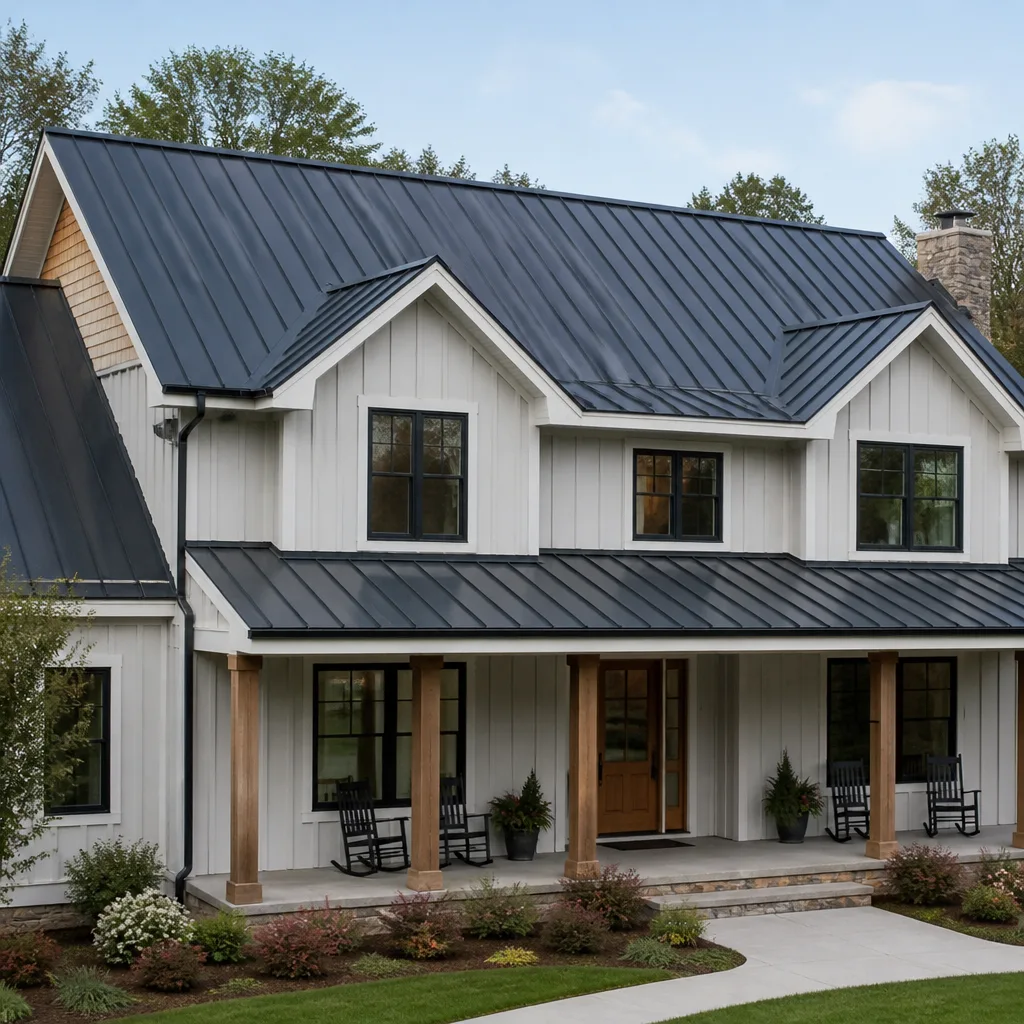 Metal roofing
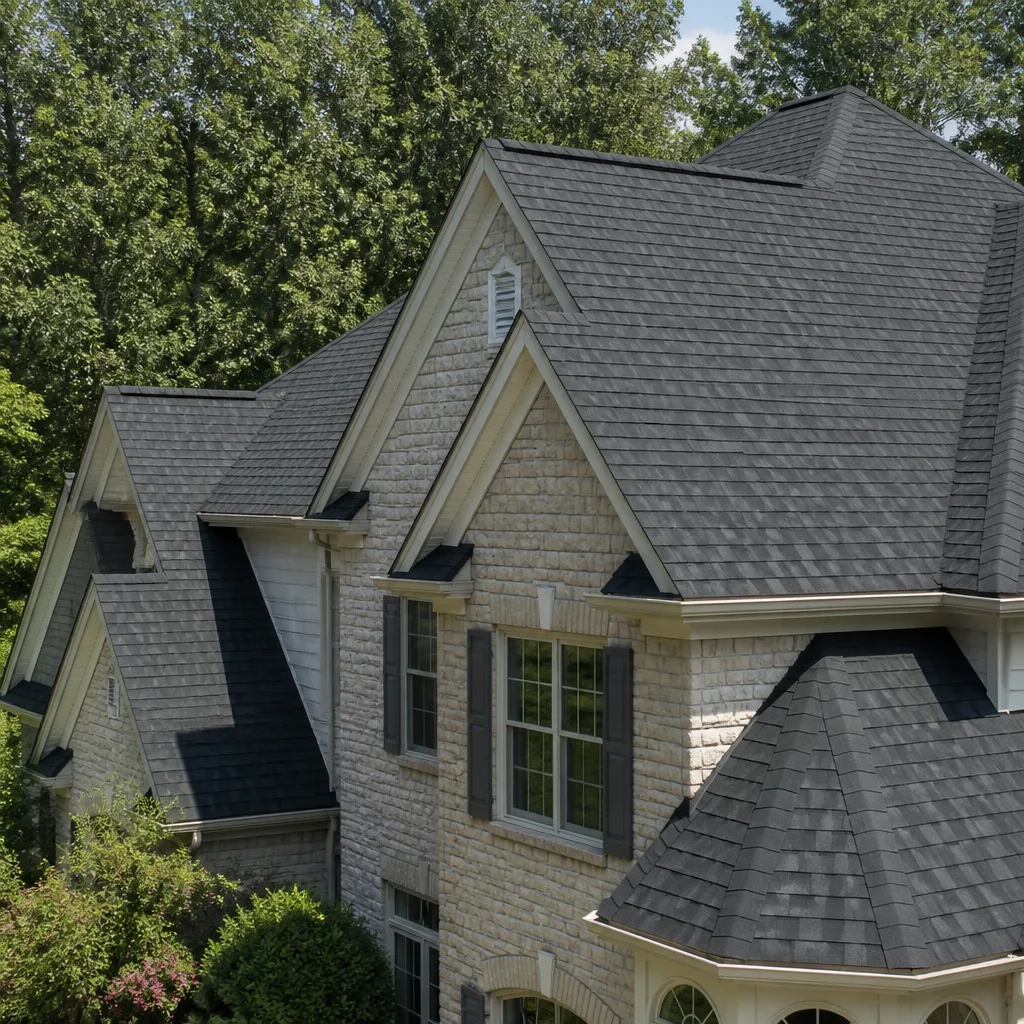
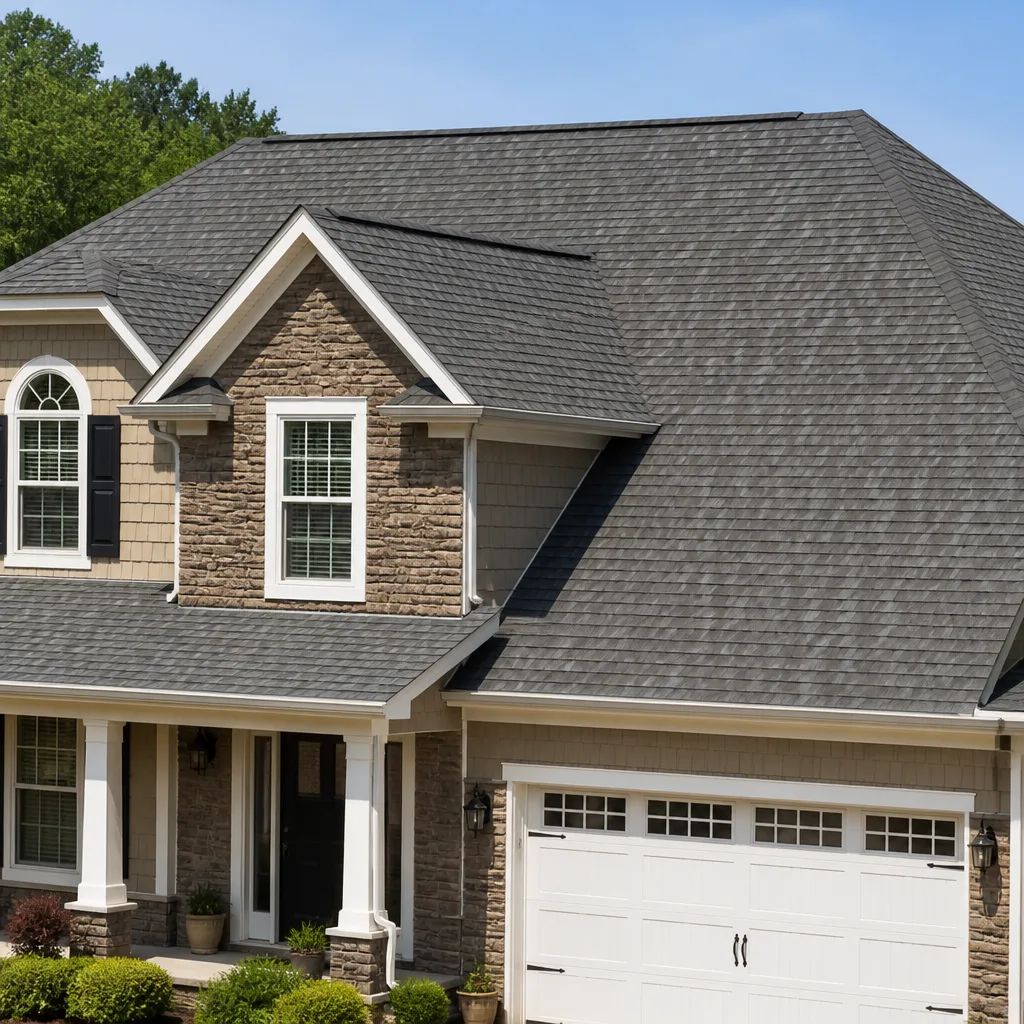 Architectural shingles
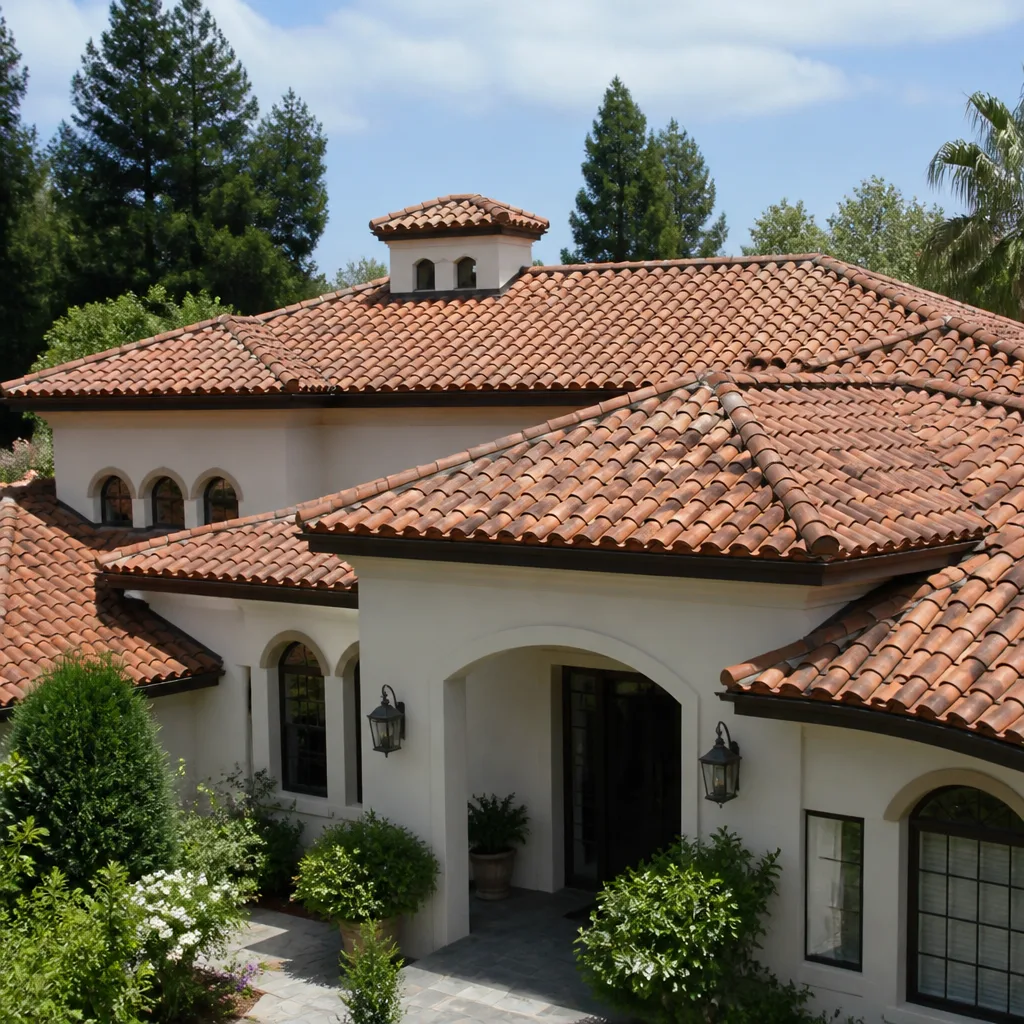 Tile roofing
 GAF
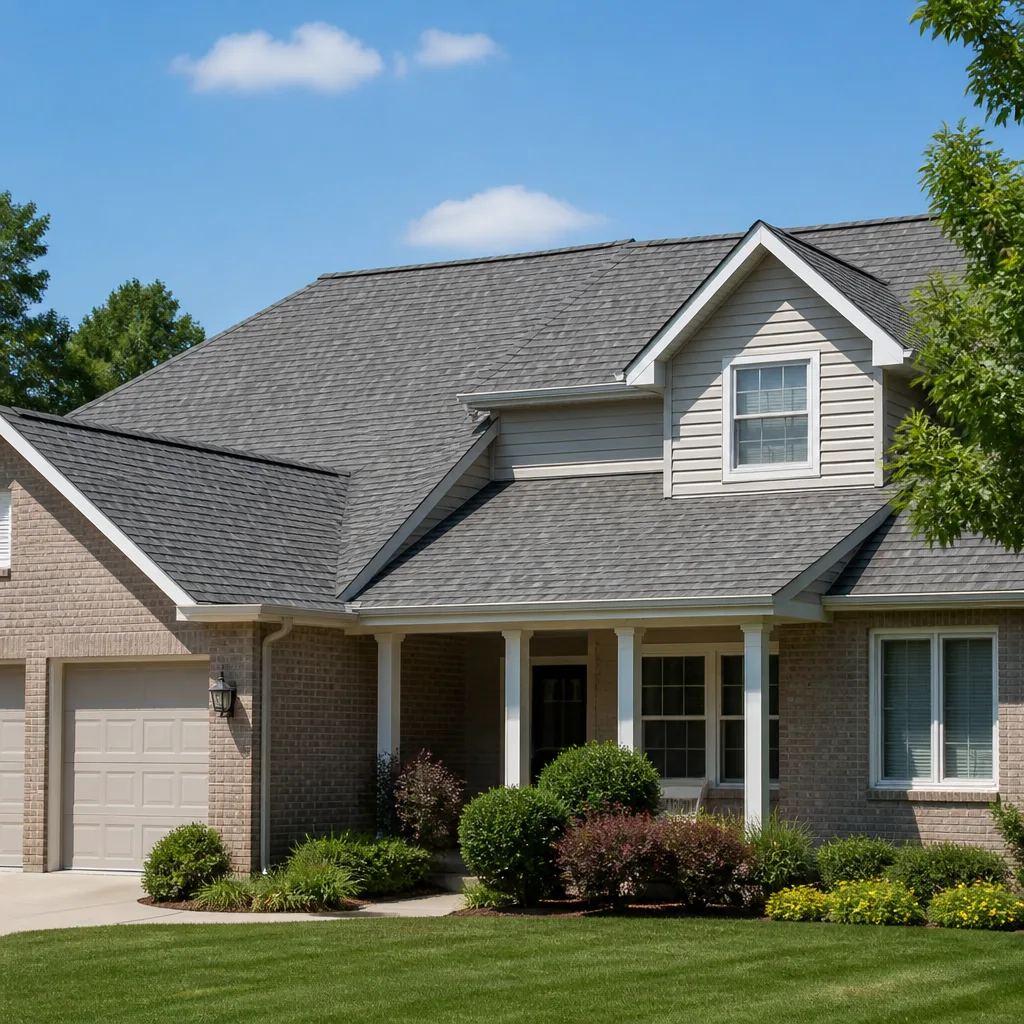 Owens Corning
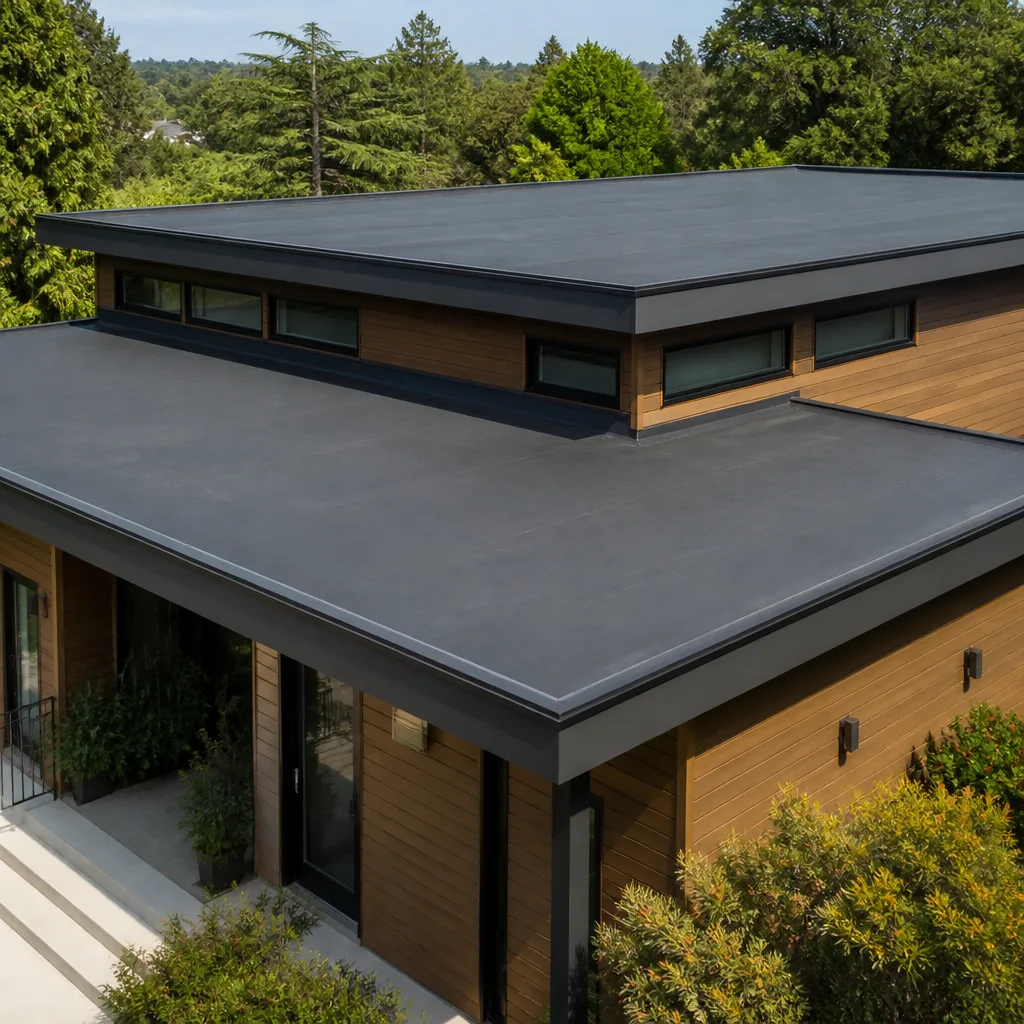 Flat & low-slope
Free roof inspection with deck photos before we talk money - GAF and Owens Corning certified installation
The Complete Guide to Roofing in Aliso Viejo
Most Aliso Viejo homes were built inside a roughly 15-year window, from the late 1980s through the early 2000s. That means thousands of roofs in this city are hitting the end of their designed lifespan at almost the same moment, and the out-of-town contractors flooding the area know it. This guide gives you the straight answers on Aliso Viejo roofing: what the local climate actually does to your roof, what the HOA expects from you, what inspections should find, and what a fair bid looks like in this market. For more guides & resources, visit our blog. You’ll learn how to make a confident decision without getting caught in a sales spin.
Styles & brands we work with
Quick Answer
A roof in Aliso Viejo typically needs professional attention every two to three years in the form of an inspection, with repairs becoming necessary as early as year 10 for asphalt shingle roofs and year 20 for concrete tile systems. For a deeper dive, see The Complete Roof Repair Guide for Aliso Viejo Homeowners. A full replacement is generally due between years 25 and 35 for shingles, and between years 40 and 50 for tile, depending on original installation quality, sun exposure, and whether routine maintenance was kept up. If your home was built before 2000, an inspection this year is the single most important step you can take.
Table of Contents
- How Aliso Viejo’s Climate Affects Your Roof Differently
- The Dominant Roof Types in Aliso Viejo and What They Need
- HOA Requirements That Can Void Your Roof Project
- The Full Roof Lifecycle: Inspection, Repair, and Replacement Timelines
- How to Read a Roofing Bid in Aliso Viejo
- Choosing the Right Roofing Material for Your Budget and Goals
- Common Mistakes to Avoid
- When to Call a Professional
- Frequently Asked Questions
- The Bottom Line
How Aliso Viejo’s Climate Affects Your Roof Differently
Aliso Viejo sits in a strange weather pocket. You’re roughly six miles from the coast, which means morning marine layer rolls in regularly, but by afternoon the inland heat takes over and temperatures climb. That daily swing, cool and damp at sunrise, hot and dry by late afternoon, does something specific to roofing materials that homeowners in neighboring cities don’t always experience.
Asphalt shingles in Aliso Viejo degrade through accelerated thermal cycling. The surface of a dark shingle can reach 150°F on an August afternoon, then drop 60 degrees overnight. Over years, that repeated expansion and contraction breaks down the asphalt’s flexibility, and the shingle becomes brittle. Teams working throughout Orange County notice roofs here showing granule loss and edge curling earlier than in fully coastal or fully inland cities. The fog adds a second element: moisture lingers in the morning air, which encourages algae and mildew growth on north-facing roof planes and under overhanging trees.
Concrete tile roofs, which cover a large share of Aliso Viejo’s 1990s tracts, respond differently. The tiles themselves handle the thermal swings well, but the underlayment beneath them does not. Original construction often used felt underlayment with a 20-year service life, and the heat-moisture cycle causes it to dry out and tear in hidden sections. We regularly see tile roofs in Aliso Viejo that look fine from the street but have failing underlayment that lets water through during the winter rains.
The Dominant Roof Types in Aliso Viejo and What They Need
Aliso Viejo’s housing stock divides into two roof profiles, and each one needs a different approach to inspection and maintenance. Knowing which one you have changes what you should be looking for.
Low-Slope Concrete Tile Roofs (1990s Tract Homes)
If your home was built between 1990 and 2005 in neighborhoods like Glenwood, Westridge, or Canyon View, you likely have a concrete tile roof on a low-slope deck. These systems are engineered to last, but they fail in predictable ways. The tiles themselves rarely break down; what fails is what sits beneath them.
The inspection checklist for a low-slope tile roof in Aliso Viejo should include:
- Underlayment condition at eaves, valleys, and pipe penetrations, where heat concentrates and felt dries out first
- Flashing around chimneys and plumbing vents, which is typically the original galvanized steel and now corroding after 25 to 35 years
- Tile alignment and broken tiles, especially any caused by solar panel installation or satellite dish mounting
- Batten condition, since the wooden strips holding tiles in place rot faster near the coast than inland
- Valley debris buildup, which happens quickly in Aliso Viejo because of eucalyptus leaf drop and Santa Ana wind events
Steep-Slope Asphalt Shingle Roofs (1980s and Custom Homes)
The older pockets of Aliso Viejo and many custom builds use asphalt shingle systems on a steeper pitch. These roofs wear at a different pace. The steep angle helps water shed quickly, but the direct sun exposure on south-facing planes causes granule loss that you’ll notice as grit in your gutters after rain.
An asphalt shingle inspection in this city should check for:
- Granule loss on south and west planes, the two surfaces that get the harshest afternoon UV exposure
- Curling or cupping at shingle edges, which signals the asphalt has lost its oils and is becoming brittle
- Lifting shingles after Santa Ana wind events, especially along ridge lines and gable ends
- Streaking or dark staining on north planes, which indicates algae growth from the morning marine layer
- Nail pops, which happen more often on older installations where the original nails were too short or driven at the wrong angle
HOA Requirements That Can Void Your Roof Project
If you live in an Aliso Viejo community governed by a homeowners association, and most of the city’s residential areas are, your roof replacement comes with an approval step that out-of-town contractors routinely misunderstand. Skipping it doesn’t mean a small fine. It can mean having to remove and redo a roof that was just installed.
Aliso Viejo HOAs enforce architectural guidelines that typically cover roofing material type, color, and finish. Many communities require concrete tile in specific earth-tone colors, which rules out asphalt shingles entirely regardless of what a low bidder offers. Some allow asphalt shingles but only in certain brands and color lines that match the neighborhood’s original design. The approval process usually requires submitting a sample board or brand and color specification sheet to the HOA’s architectural committee before any work begins.
Here is the sequence that protects you:
- Pull your HOA’s architectural guidelines from the management company or the community’s resident portal
- Identify the approved roofing materials and color ranges for your specific tract or street
- Have your contractor prepare a written specification matching those requirements, including the exact brand name and color code
- Submit the application with the required sample or photo documentation and pay the review fee, which typically runs $50 to $150 in Aliso Viejo HOAs
- Wait for written approval before any materials are ordered or removed
- Keep a copy of the approval letter for your records and share it with the contractor’s field crew
We have been called to homes where a previous contractor installed a roof the HOA never approved, and the homeowner was left with two options: reinstall a compliant roof or fight the HOA through a process that takes months and costs more than the roof itself. The approval step costs a little patience and is always worth it.
The Full Roof Lifecycle: Inspection, Repair, and Replacement Timelines
Understanding where your roof sits in its lifecycle changes how you should approach every contractor conversation. The timeline below reflects what we have seen across Aliso Viejo’s specific conditions: coastal moisture, daily temperature swings, and occasional Santa Ana wind gusts that reach 60 mph.
Inspection Triggers and Frequency
Every Aliso Viejo roof should get a visual inspection every two to three years, even if nothing looks wrong. That interval tightens to annually once a roof passes year 15 for shingles and year 30 for tile. Specific events also trigger an inspection immediately:
- After any Santa Ana wind event with gusts strong enough to knock over patio furniture
- After a year of unusually heavy winter rain, which saturates underlayment and exposes hidden leaks
- When you notice staining on ceilings or walls, even a faint water mark
- After a roof-mounted solar installation or removal, since panels add weight and attachment points that compromise the original roof surface
- Before listing your home for sale, since buyers in Aliso Viejo expect upfront roof disclosure and inspection reports
A proper Roof Inspection in Aliso Viejo includes walking the roof surface, examining all penetrations, checking attic ventilation from inside, and documenting everything with photos. It is a diagnostic process, not a sales tool, and the report should tell you what is fine and what is not.
Repair Windows
Repairs happen when an inspection or visible event identifies a specific problem that is not symptomatic of systemic failure. Common repair windows in Aliso Viejo include:
- Year 8 to 12 on asphalt shingles: isolated shingle replacement, flashing repair, and valley re-sealing
- Year 15 to 20 on tile underlayment: targeted underlayment patches around penetrations where water entry is first observed
- Year 20 to 25 on original flashing: replacing galvanized pipe collars and chimney flashing that has corroded
- Any year after a storm event: wind-damaged shingle or tile replacement, usually localized to one or two roof planes
The key distinction: a repair is appropriate when the problem is isolated. When you start seeing recurring leaks, multiple problem areas, or widespread granule loss, you are crossing into replacement territory and should not spend money patching what is already failing.
Replacement Thresholds
A full Roof Replacement in Aliso Viejo is warranted when:
- An asphalt shingle roof has passed year 25 and inspection shows curling, widespread granule loss, or visible fiberglass matt exposed in multiple areas
- A tile roof’s underlayment is failing in three or more separate locations, indicating the original felt has reached end of life even if the tiles are intact
- Flashing systems have corroded to the point where patching would cost more than a full flashing replacement during re-roofing
- Recurring leaks in different rooms over successive winters, showing the system is no longer shedding water reliably
- An HOA mandate requiring roof replacement as part of a community-wide renewal project
Replacement in Aliso Viejo is a major investment, typically in the $15,000 to $40,000 range depending on material and roof size, but the right timing extends the life of everything beneath it: framing, insulation, drywall, and paint.
How to Read a Roofing Bid in Aliso Viejo
Roofing bids in Aliso Viejo vary by thousands of dollars, and most homeowners cannot tell whether the difference reflects quality or opportunism. The local market has a few structural realities that let you spot a fair price from a suspicious one.
First, labor costs locally run higher than the national average because Orange County living expenses drive up wages for every trade. A legitimate bid from a licensed company with proper insurance and workers’ compensation will not come in at rock-bottom rates. When a bid is dramatically lower than the others you gather, the contractor is usually cutting corners on insurance, material quality, or disposal costs.
Second, material cost depends heavily on brand. The difference between a value-tier asphalt shingle line and a premium algae-resistant architectural shingle from a top manufacturer like GAF or CertainTeed can add $2,000 to $4,000 on an average Aliso Viejo roof. A bid should name the exact product line, not just “shingles.”
Here is what a legitimate bid should include, item by item:
- Exact materials with brand name, product line, and color code, matching HOA approval if required
- Removal and disposal of the old roof, including permit fees for the landfill and any recycling requirements
- Underlayment specification: type, brand, and coverage area, not just “premium underlayment”
- Flashing scope: which penetrations are being replaced and with what material
- Ventilation work: whether new ridge vents, eave vents, or baffles are included
- Permit language: who pulls the permit, who schedules the inspection, and what happens if the city requires changes
- Payment schedule: never more than a 10 percent deposit, with progress payments tied to milestones, and a final payment due only after final inspection and walkthrough
- Warranty terms: separate lines for manufacturer warranty on materials and workmanship warranty from the contractor
A bid that lumps everything into one number with two lines of description is not a bid; it is a placeholder waiting for a change order. Insist on line items.
Choosing the Right Roofing Material for Your Budget and Goals
Material selection in Aliso Viejo comes down to three factors: HOA constraints, roof slope and structure, and your long-term plans for the home. Getting the material right matters more than almost any other decision in the project.
Concrete tile systems, including those from Boral, remain a common choice in the city’s planned communities because they match original construction and last five decades when properly underlaid. The upfront cost is higher, typically 30 to 50 percent more than a premium asphalt shingle system, but the lifecycle cost per year is often lower. Tile also resists the thermal stress that breaks down asphalt over time.
Architectural asphalt shingles from manufacturers like GAF, CertainTeed, and Tamko offer a lower initial cost and faster installation, which matters if you are planning to sell within five to seven years. Modern architectural shingles carry 30-year to lifetime manufacturer warranties and include algae-resistant granules activated by copper, a meaningful benefit in Aliso Viejo’s marine layer zone. They are also lighter, which matters for older homes whose structures were not designed for tile weight.
The honest answer: no single material is best for every home. The right choice is the one that matches your HOA’s requirements, fits your roof structure, aligns with your ownership timeline, and sits within a budget you can commit to without financing strain. A contractor who installs only one product will always tell you that product is best. That is not a recommendation; it is a business model.
At Captain Roof Repair home, we work with seven major roofing brands, including GAF, CertainTeed, Owens Corning, IKO, Atlas, Tamko, and Boral, so the material conversation is driven by what your roof actually needs. The right material for your roof, not for our supplier.
Choosing a Contractor: What Actually Matters in Aliso Viejo
The biggest variable in any roofing project is not the material. It is the crew installing it. In a city where so many homes were built in the same generation, the demand for roof work has attracted contractors from across Southern California, and not all of them will be around to honor a workmanship warranty in five years.
What matters, in order of importance:
- A California contractor’s license in good standing, verified through the Contractors State License Board website, not just a number printed on a business card
- General liability insurance and workers’ compensation coverage, with certificates issued to the homeowner before work starts
- A physical business address, not a P.O. box or a phone number that routes to a call center
- Verifiable local work history: completed Aliso Viejo roofs that you can drive by and see
- Written proposal detail, as covered in the bid-reading section above
- One point of contact who owns the project from start to finish, not a rotating cast of estimators, project managers, and subcontractors
The subcontracting model deserves special attention. Many roofing companies in Orange County sell the job, then hand the work to an independent crew with its own materials and methods. The company you hired is not actually building your roof. At Captain Roof Repair, the same crew that walks your inspection is the crew that does the work, and the person you talk to on day one is the person accountable at final inspection. We take command of the problem so you don’t have to.
Common Mistakes to Avoid
- Skipping the HOA approval step. Installing an unapproved roof in an Aliso Viejo community can trigger a removal order, and the HOA has legal standing to enforce it. You will pay twice for the same roof.
- Choosing a contractor based on price alone. The low bid in this market typically comes from uninsured labor or hidden scope. When the price sounds too good, what you are really buying is the risk you will pay again later.
- Patching a roof that has already reached end of life. We see homeowners spend $3,000 to $5,000 on piecemeal repairs in the final years before a needed replacement. That money is gone, and the roof still needs to be replaced.
- Ignoring underlayment on tile roofs. The tile is not the weather barrier; the underlayment beneath it is. A tile roof with failing underlayment leaks even while the tiles look perfect from the street.
- Not documenting the existing roof before work begins. Photos of the roof surface, attic interior, and any existing interior stains give you leverage if the project damages something or changes scope unexpectedly.
- Delaying inspection because nothing is visibly wrong. The most expensive problems in Aliso Viejo are the ones you cannot see from the ground: underlayment tears, ventilation blockages, and early flashing corrosion all happen invisibly.
- Accepting a bid without a line-item material specification. A vague bid means you are agreeing to whatever product the contractor can source cheapest that month. You lose all control over quality.
When to Call a Professional
Some roofing situations are not DIY-friendly, and in Aliso Viejo, the risk is not just water damage. Working on a roof means working at height, on surfaces that can be steep, brittle, or wet from morning fog. Concrete tile cracks under your weight. Sloped asphalt gets slick. A fall from a single-story roof still causes serious injury.
Call a professional when you see any of these signs: water staining on ceilings or walls, missing or cracked shingles or tiles after wind, granules collecting in gutters, daylight visible through the attic roof deck, sagging roof lines, or any roof age past the inspection triggers above. Also call before you list your home, before solar installation, and after any major storm. Captain Roof Repair offers Roof Repair in Aliso Viejo with free estimates and no-pressure reporting. Call (844) 717-4930 and we will tell you exactly what your roof needs, and why.
Frequently Asked Questions
A full roof replacement in Aliso Viejo typically costs between $15,000 and $40,000, with asphalt shingle systems landing in the $15,000 to $25,000 range and concrete tile systems running $25,000 to $40,000 depending on roof size, accessibility, and underlayment scope. The exact number depends on the material you choose, the condition of your existing deck, and whether your roof has complex details like hips, valleys, or multiple penetrations. Call (844) 717-4930 for a specific quote, estimates are free.
Yes, the City of Aliso Viejo requires permits for roof replacement and for repairs that exceed specific thresholds, and the process includes city inspections at defined milestones. Your contractor should pull the permit, schedule the inspection, and carry the responsibility for passing it before final payment is collected.
Most asphalt shingle replacements in Aliso Viejo take 3 to 5 working days from tear-off to final inspection, while concrete tile systems typically run 5 to 10 working days depending on weather and underlayment scope. HOA approval adds lead time before work begins, often 2 to 4 weeks depending on the association’s review schedule.
Solar installation is common in Aliso Viejo, but it should be coordinated with a roof inspection first, especially if your roof is past year 15. Installing panels on a roof that needs replacement within five years means paying to remove and reinstall the panels when the roof is done, which adds thousands to the overall cost.
Algae streaking is the dark staining you see on north-facing roof planes, caused by the moisture in the morning marine layer that supports algae growth on shingle surfaces. It is cosmetic in most cases and does not shorten roof life, but it does signal that the roof plane holds morning moisture, which makes regular inspection on that side especially important. Algae-resistant shingles from brands like GAF and CertainTeed include copper granules that prevent most streaking on new roofs.
In many cases, yes, because Aliso Viejo buyers are sensitive to roof condition and a visibly aging roof becomes a negotiation tool that costs you more than the roof itself. An inspection report that documents the remaining roof life removes the buyer’s uncertainty and protects your asking price. In a market where so many homes were built in the same window, your roof’s condition is a direct differentiator against the five other similar listings the buyer is seeing.
The Bottom Line
Roofing in Aliso Viejo is shaped by three local realities: the marine layer that keeps mornings damp, the afternoon heat that bakes roof surfaces, and the HOA guidelines that dictate what materials you may install. Your roof has a predictable lifecycle, and the mistakes that cost homeowners the most money are predictable too: skipping approval, choosing by price, patching past end of life, and ignoring the underlayment beneath concrete tile. The fix is simple. Get a real inspection from a contractor who can diagnose honestly, choose materials that match your HOA and your budget, and work with one crew that owns the project through final inspection. From the first inspection to the final shingle. Call (844) 717-4930 to schedule your free estimate.
Written by the team at Captain Roof Repair, serving Aliso Viejo since 2017.
See the difference
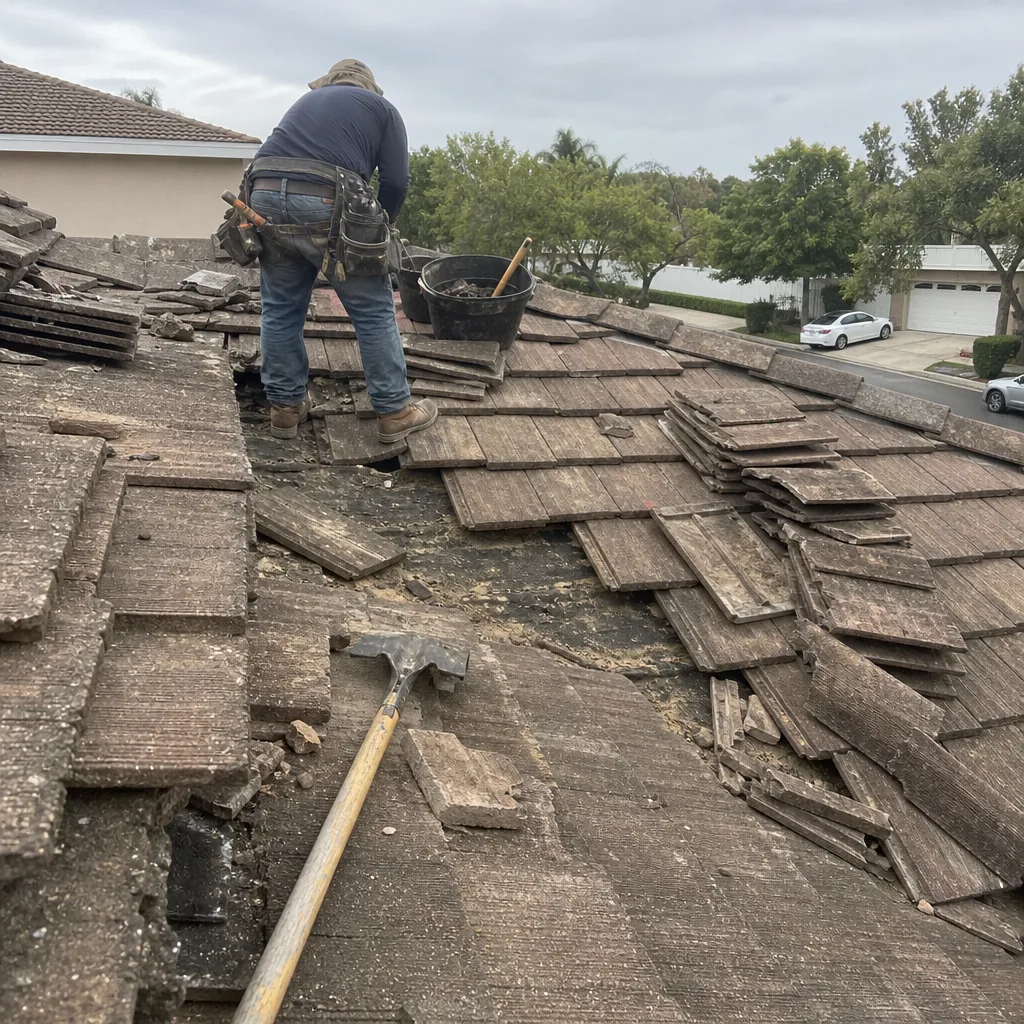 Before
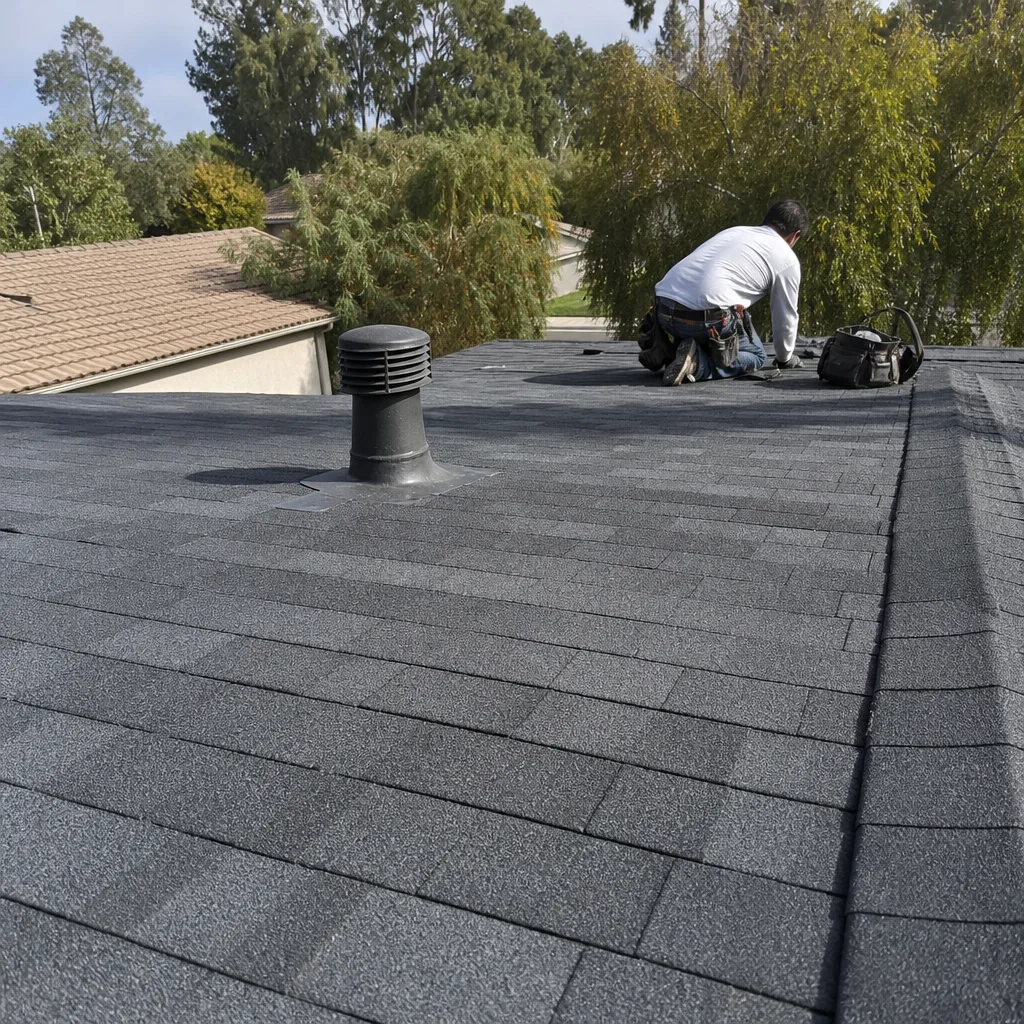 After
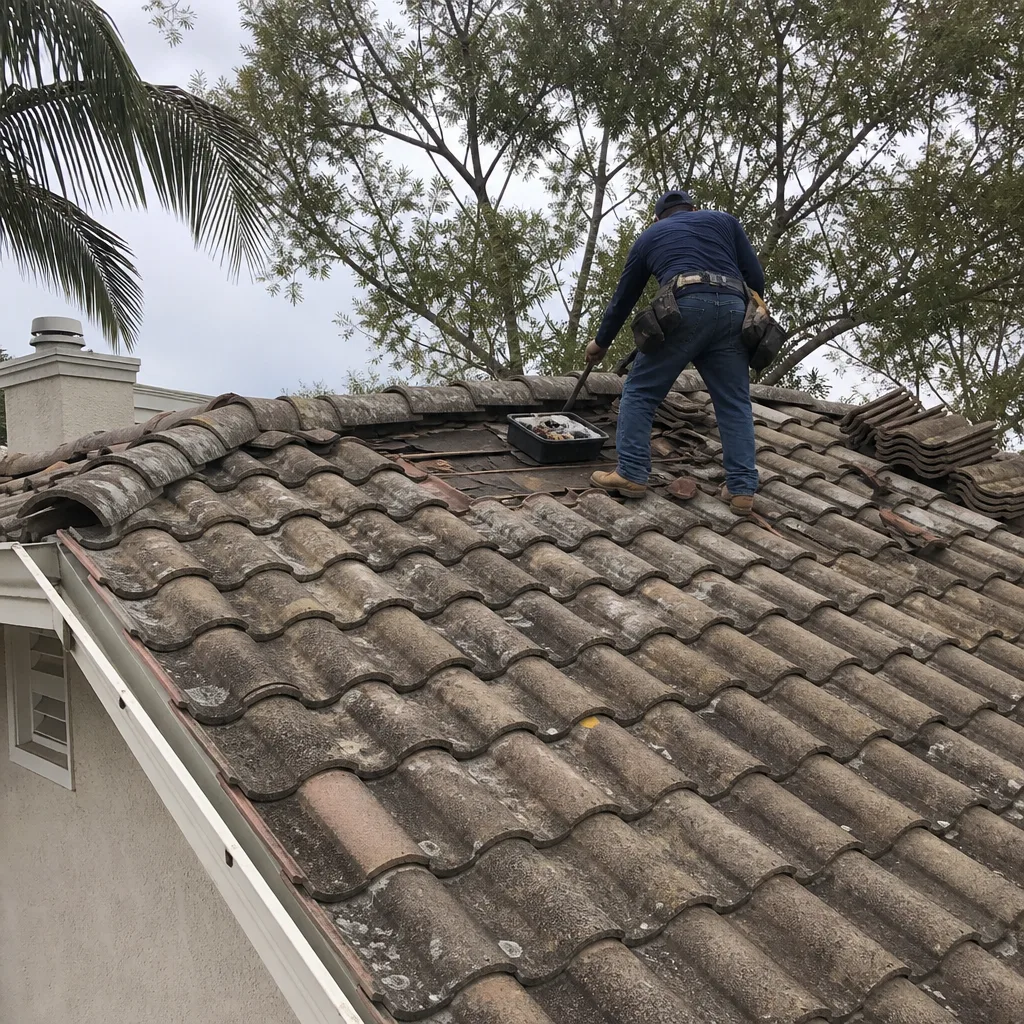 Before
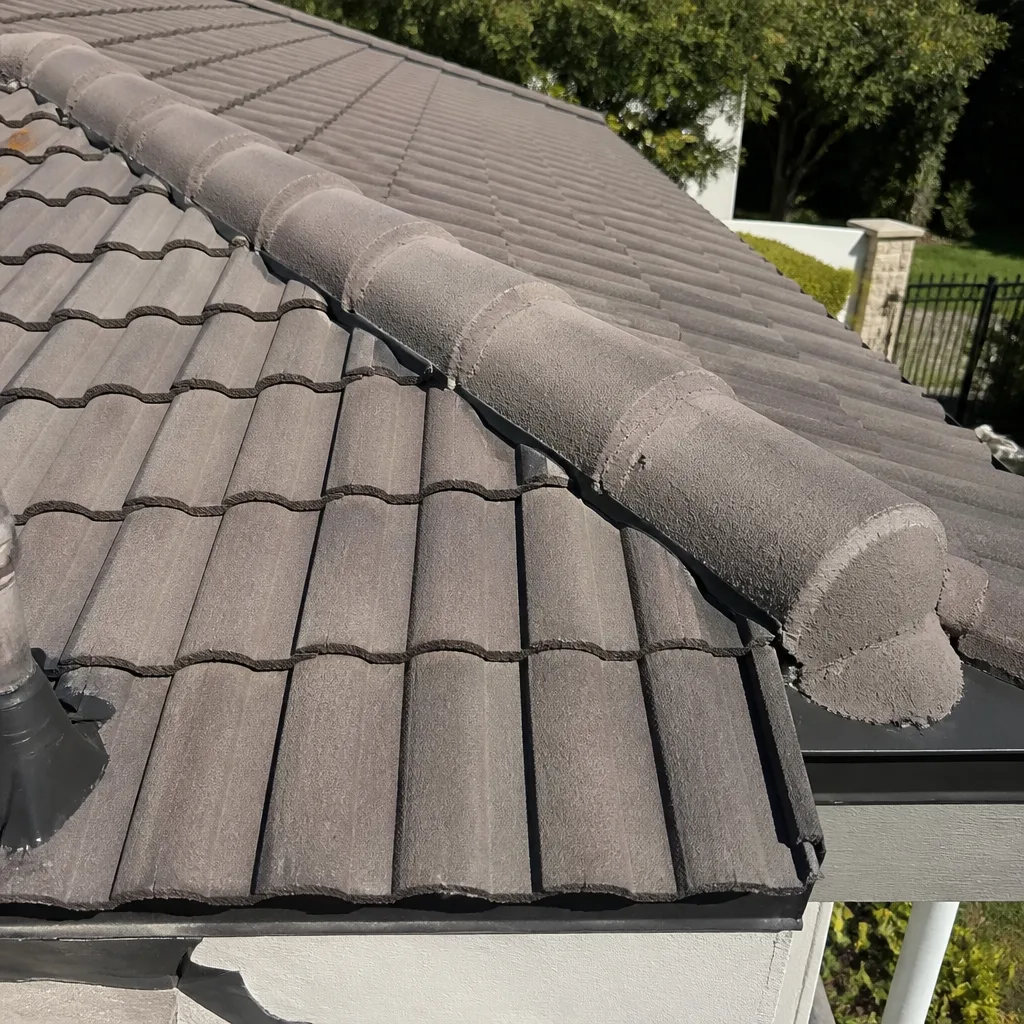 After
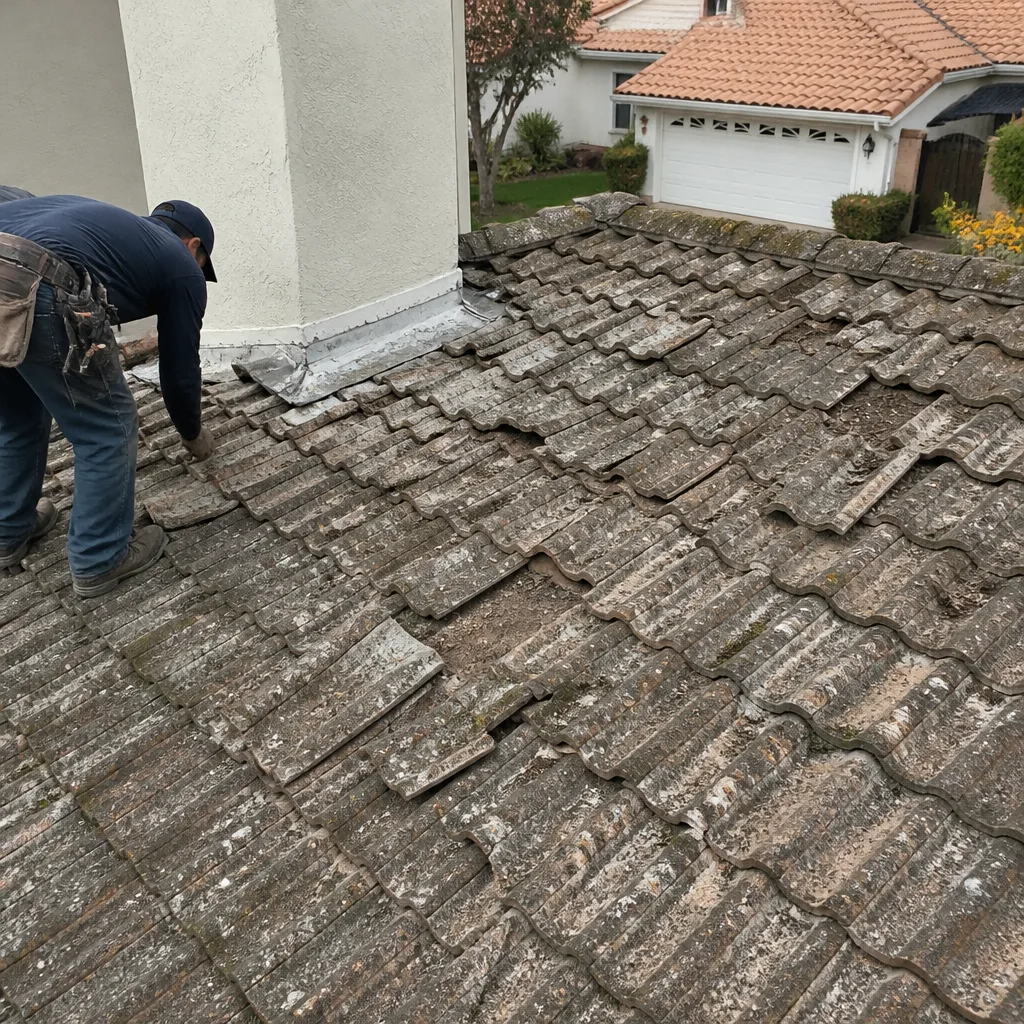 Before
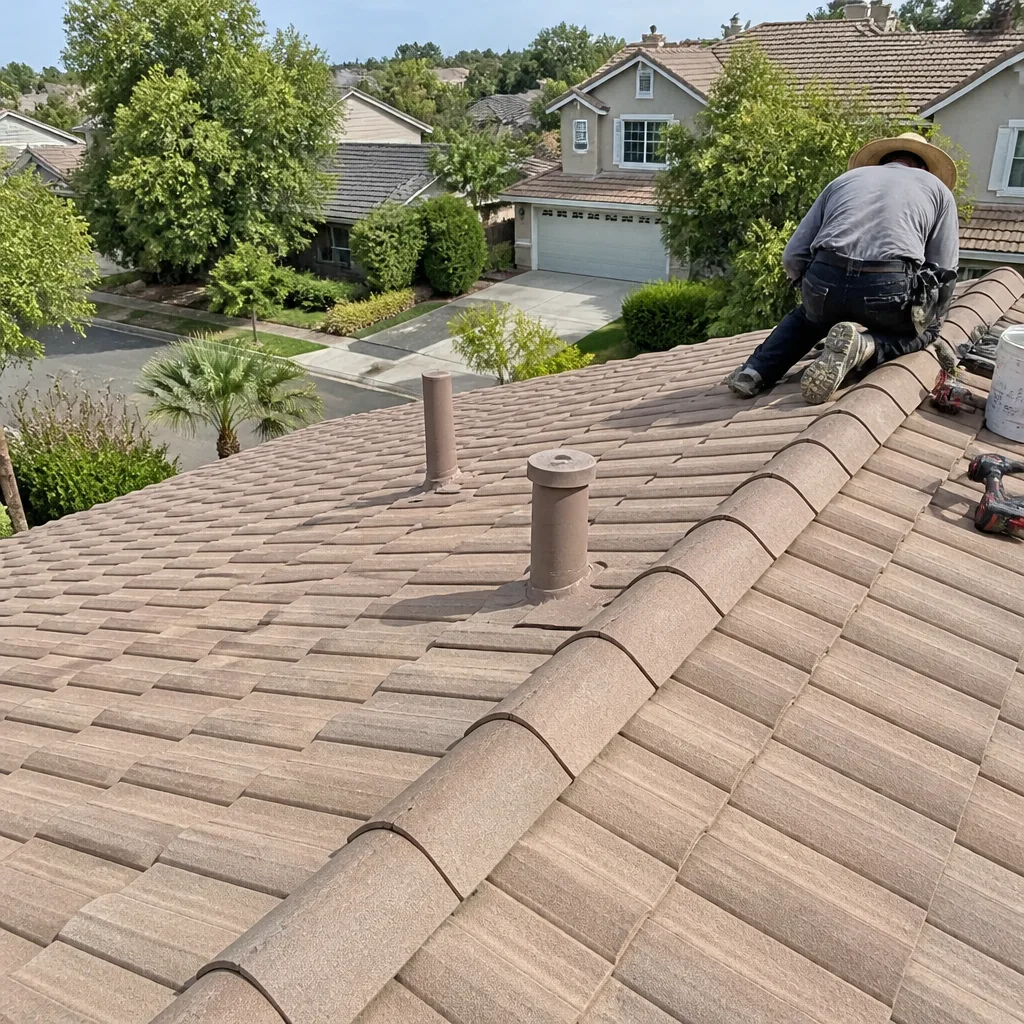 After